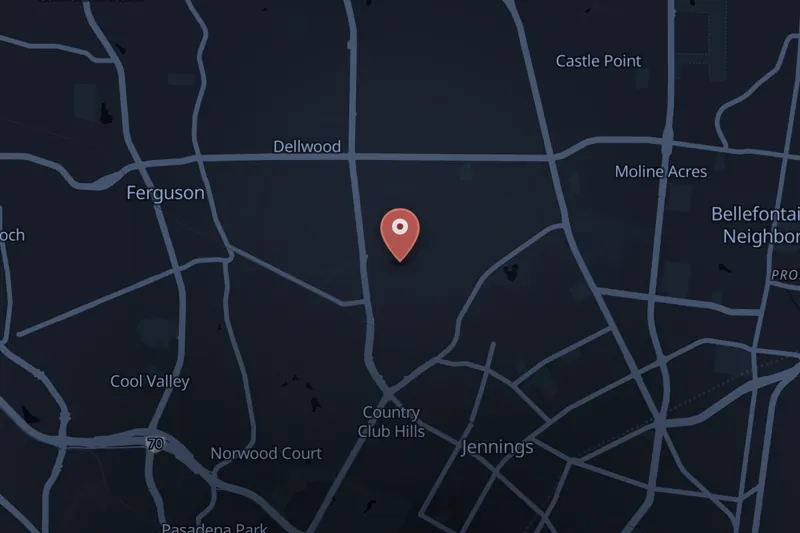
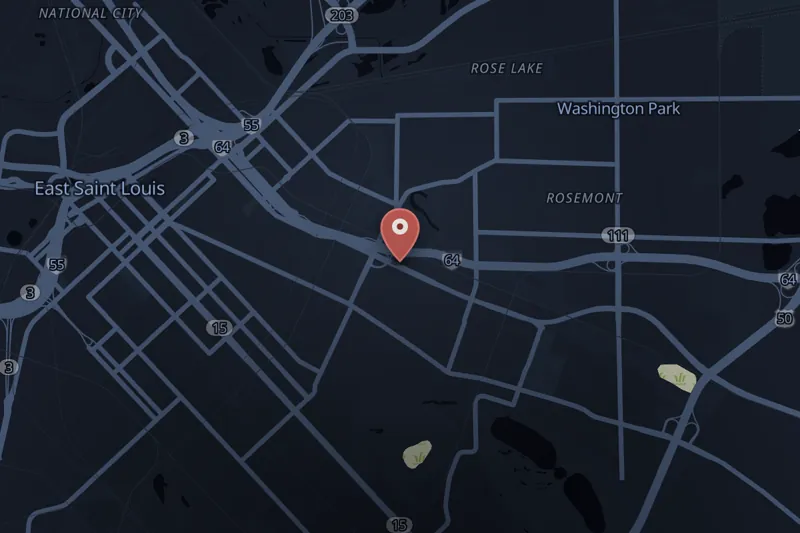
The Camp Jackson affair occurred on May 10, 1861, in St. Louis, Missouri, during the early days of the American Civil War. Missouri was a slave state divided between Unionist and secessionist factions. By early 1861, both sides were organizing armed forces, with secessionists forming "Minutemen" units later enrolled into the Missouri Volunteer Militia under Brigadier General Daniel M. Frost.
Brigadier General Nathaniel Lyon, the newly appointed Union commander in Missouri, suspected that the militia encamped at "Camp Jackson," organized under Governor Claiborne Fox Jackson, was planning to attack the federal arsenal in St. Louis. Jackson had secretly requested and received artillery and muskets from Confederate President Jefferson Davis, delivered to Camp Jackson on May 9, 1861. Lyon, after reportedly conducting personal reconnaissance of the camp, marched roughly 6,000 Union troops—many of them German-American volunteers—to Camp Jackson on May 10 and forced the surrender of the militia, taking 669 prisoners.
As Lyon's troops marched the captured militia members toward the arsenal for parole, hostile secessionist crowds gathered, hurling insults, ethnic slurs, and debris at the predominantly German Union soldiers. According to the most common account, a drunk man fired a pistol into the marching ranks, fatally wounding Captain Constantin Blandowski of the 3rd Missouri Volunteer Infantry. Union soldiers responded by firing over the crowd and then into it. At least 28 people were killed, including women and children, and more than 75 others were wounded. General Frost, the surrendered militia commander, later reported that his disarmed men and surrounding civilian onlookers were fired upon.
The shooting triggered several days of civil unrest throughout St. Louis. On May 11, further gunfire erupted after Union volunteers were fired upon from windows, and reports emerged of soldiers being beaten while off duty, with two reportedly never returning. Rumors of planned violence by German residents spread, prompting many wealthy St. Louisans to flee. Martial law was imposed, and the arrival of federal regular troops ended the violence.
In the aftermath, the Missouri General Assembly passed a "Military Bill" on May 11, creating the Missouri State Guard under Major General Sterling Price. William S. Harney, reinstated as Union commander, negotiated the Price–Harney Truce on May 21, which was later viewed by many Unionists as a concession to secessionists. Frank Blair relieved Harney on May 30 and installed Lyon, who was promoted to brigadier general, as commander of Union forces in Missouri. Subsequent events included a failed negotiation at the Planter's House hotel on June 11, Lyon's occupation of the state capital, and the Union victory at the Battle of Boonville on June 17, which secured most of Missouri for the Union. The Camp Jackson affair is widely described as having polarized Missouri's population, pushing many previously neutral or "Conditional Unionist" residents toward firm allegiance to either the Union or Confederate cause.


 SOLVEDListen