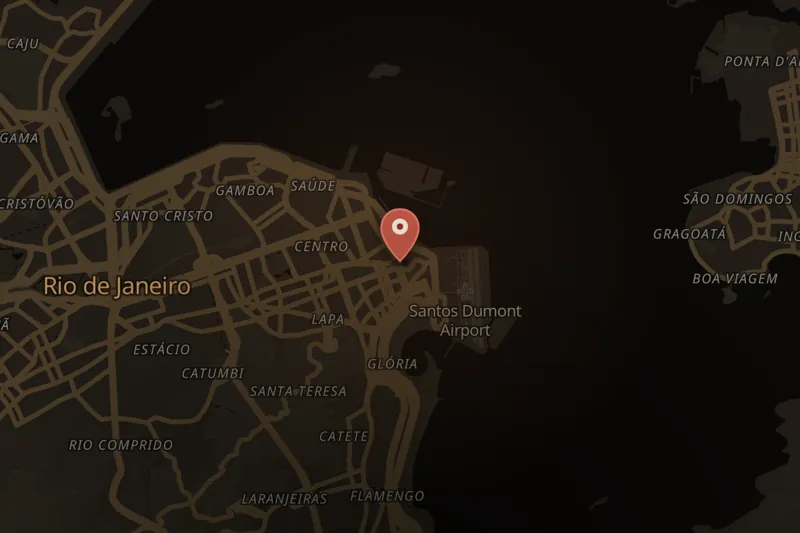
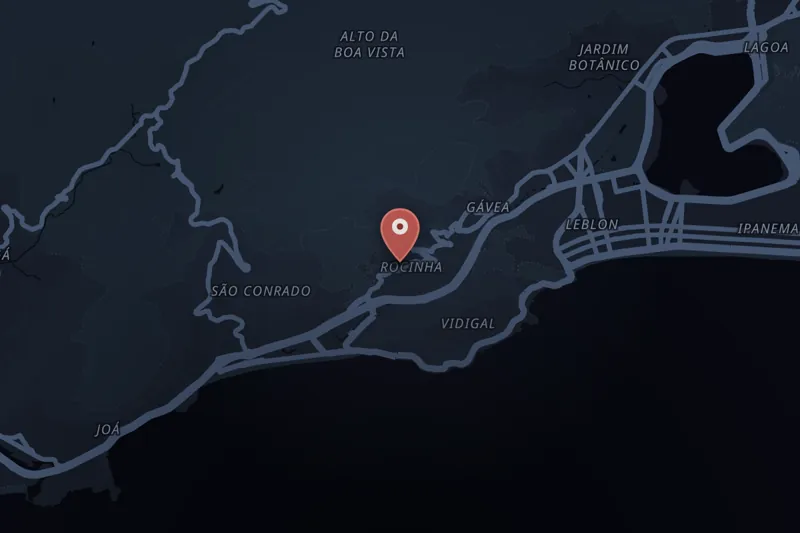
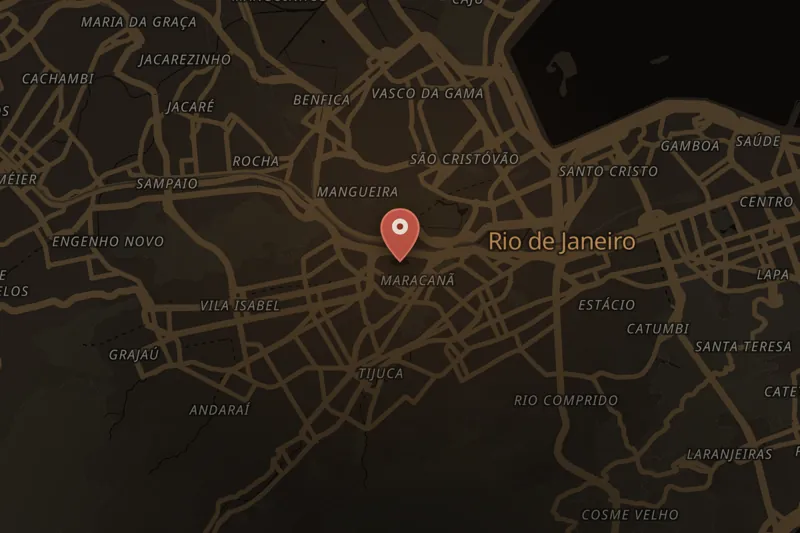
On July 14, 2013, Amarildo de Souza, a 43-year-old bricklayer from the Rocinha favela in Rio de Janeiro, Brazil, was called in for questioning by Unidade de Polícia Pacificadora (UPP) officers while on his way home from the market. He was believed by officers to be connected to drug trafficking in the favela, despite having no prior record of illegal activity. He was brought in during "Operation Armed Peace," a two-day raid in which roughly 300 UPP officers flooded Rocinha to arrest drug traffickers. De Souza was taken to the police station and never seen again.
Police testimony initially stated that de Souza was released after questioning at the UPP base in Rocinha. Security camera footage showed him being taken into the base, but cameras and GPS systems belonging to the UPP reportedly malfunctioned around the time of his supposed release, leaving no evidence of his subsequent whereabouts. A skeleton found in Resende, Brazil, on September 27, 2013, was examined to determine whether it belonged to de Souza, but results were inconclusive. His body has not been found.
De Souza was classified as "missing" for more than two months before public pressure prompted authorities to investigate the suspicious circumstances of his disappearance. By October 2013, twenty-four police officers and UPP commander Edson Santos were accused of torture, concealment of a body, procedural fraud, and conspiracy. According to the investigation, four officers had a direct role in de Souza's disappearance and alleged torture, twelve stood guard, and eight were present but did not intervene. Major Santos was alleged to have bribed a Rocinha resident to give false eyewitness testimony implicating a local drug trafficker rather than military police in de Souza's fate.
In June 2015, authorities reopened aspects of the investigation after new security-camera images emerged near the UPP station, aiming to determine why a BOPE (Batalhão de Operações Policiais Especiais) unit entered Rocinha on the night of the disappearance. Computer-enhanced analysis of footage of BOPE trucks reportedly identified a volume consistent with a human body wrapped in a motorcycle cover and placed in one of the trucks. Investigators determined that de Souza had been tortured with electric shocks and suffocated with plastic bags for more than two hours before being drowned in a bucket.
De Souza's case drew national and international attention amid broader scrutiny of police violence in Rio de Janeiro, where a substantial share of homicides in the years around the case were attributed to on-duty police officers, and the large majority of investigations into police killings remained open. The phrase "Where is Amarildo?" became a rallying cry for protesters, and the hashtags #WhereIsAmarildo and #OndeEstaoAmarildo were used widely on social media. The case became emblematic of concerns about the conduct of Rio's Pacifying Police Units (UPPs), established in 2008 ahead of the 2014 World Cup and 2016 Olympics, and of broader allegations that police disappearances may in some cases mask unreported killings.

 SOLVEDListen