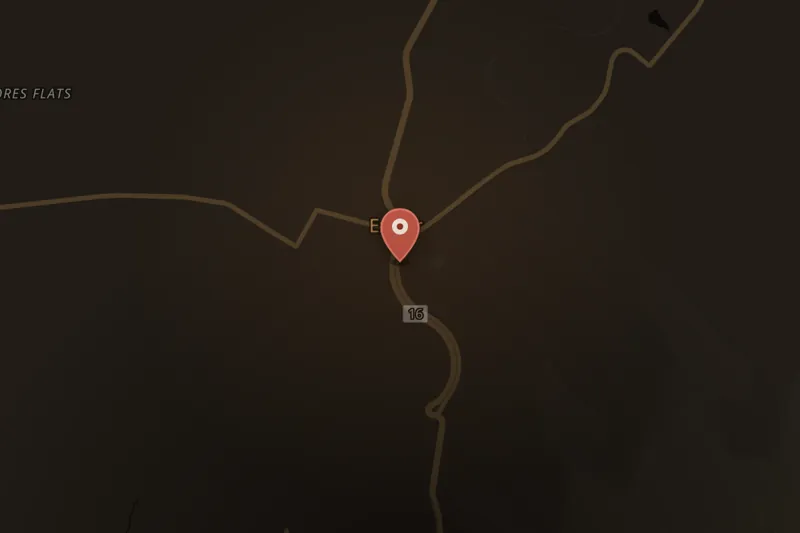
Between 1980 and 1986, a series of murders targeting young men occurred across at least five American states. Victims were kidnapped, shot in the back of the head, and castrated after death, a pattern that gave the case its name. Because the crime scenes were geographically remote from one another, investigators initially treated the killings as unrelated. This changed in 1989, when forensic ballistic examination determined that two of the victims had been shot with the same .38 caliber revolver, possibly manufactured by Charter Arms, leading investigators to conclude the other cases were likely connected as well.
The first suspected victim was 27-year-old oilfield worker Willard Edward Judd, found on August 10, 1980, near the North Platte River outside Casper, Wyoming. Judd, known to hitchhike, had been shot ten times with a .38 caliber revolver and possibly sexually mutilated. In 1982, a South Dakota prison inmate implicated two other men in Judd's death, alleging a drug ring dispute, but those men were investigated and cleared. Suspicion later fell on the informant himself, though authorities lacked sufficient evidence to bring charges, and it remains unclear whether Judd's death is connected to the other killings in the series.
On August 19, 1981, the body of 30-year-old Wayne Leigh Rifendifer, a cross-country hitchhiker, was found in a wooded area near Jersey Shore, Pennsylvania. On June 14, 1982, the body of 21-year-old Marty James Shook, also a hitchhiker, was found in Daniels Pass near Heber City, Utah; a witness reported seeing an unidentified young woman with blond hair in the area, who was never located or identified. In July 1983, the body of an unidentified man was found in Georgia, wearing only a swimsuit; limited information about this victim has been made public. On November 26, 1986, the dismembered remains of 26-year-old Jack Franklin Andrews, who had a criminal history in several states, were found near Litchfield, Connecticut; his body had been castrated and further mutilated, and he was identified through DNA fingerprinting.
Investigators theorized the perpetrator may have worked as a truck driver or door-to-door salesman, given the victims' locations near roads used by long-haul truckers, and requested an FBI psychological profile. In 1991, an FBI VICAP official suggested that the absence of similar killings after 1986 indicated the offender might be dead, imprisoned on unrelated charges, or had left the United States. In the 2000s, a preserved human scrotum was recovered from the home of a San Francisco resident who had been arrested, raising hopes of identifying an additional victim; however, no DNA could be extracted, and a forensic pathologist later determined the specimen did not match any known victim in the case. The murders remain unsolved and are classified as cold cases.


 COLDListen