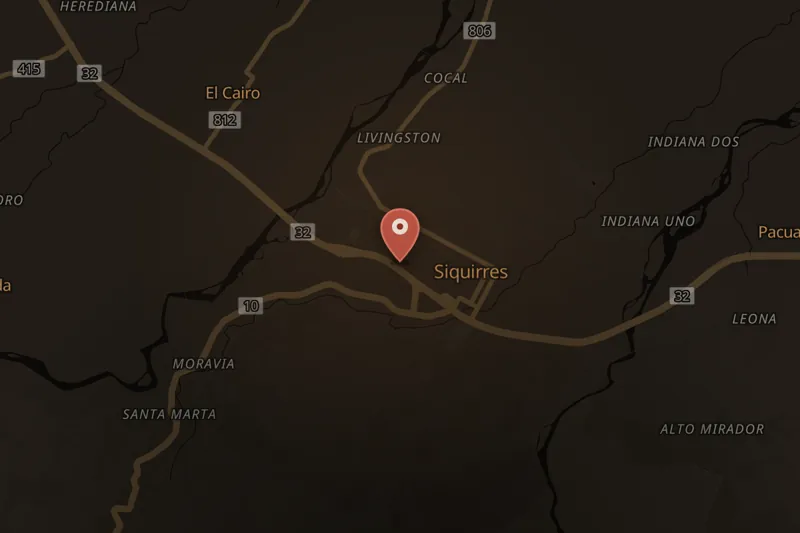
On December 19, 1948, in the area of Siquirres, Limón Province, Costa Rica, known as El Codo del Diablo ("Elbow of the Devil"), six political prisoners were kidnapped and extrajudicially killed because of their political affiliation with communism. The victims were Federico Picado Sáenz, Tobías Vaglio Sardi, Lucio Ibarra, Octavio Sáenz Soto, Narciso Sotomayor, and Álvaro Aguilar. All were Costa Rican except Sotomayor, who was Nicaraguan. The men were linked to the Communist Party Vanguardia Popular and had fought on the "Caldero-comunista" side during the Costa Rican Civil War of 1948, which had ended eight months earlier.
The killings were carried out by individuals associated with the winning side of the civil war, known as the "Figueristas," at a time when government authority was held by the Founding Junta of the Second Republic, a de facto government. The case is described as the last instance in which Costa Rican citizens were killed for their political beliefs by persons linked to the state.
The detainees were reportedly transferred in handcuffs from a police command in Limón to the Siquirres area on the banks of the Reventazón River, at the location known as Codo del Diablo. There, aboard a train belonging to the Northern Railway Company's Atlantic line, they were shot with a firearm and their bodies were thrown into the river, apparently in an attempt to prevent them from being found. One body separated from the handcuffs restraining the group and was found shortly afterward, separate from the others.
The individuals identified as responsible for the killings were Captain Manuel Zúñiga Jirón and Deputy Luis Norberto Valverde Quirós of the Public Force, along with a driver, Cuban-born Clarencio Auld Alvarado. An arrest warrant, imprisonment, and trial were pursued against those implicated. However, according to reporting, they escaped abroad with the assistance of contacts within the government, and the case did not result in a completed prosecution being carried through to conviction within Costa Rica.
The case remained a point of political memory in subsequent decades. On the anniversary of the killings in 2012, José María Villalta, then a deputy for the left-wing Broad Front Party — which described itself as the historic successor to the Communist Party — recalled the events in the legislative plenary and accused the government of President José Figueres Ferrer of having ordered the killings.