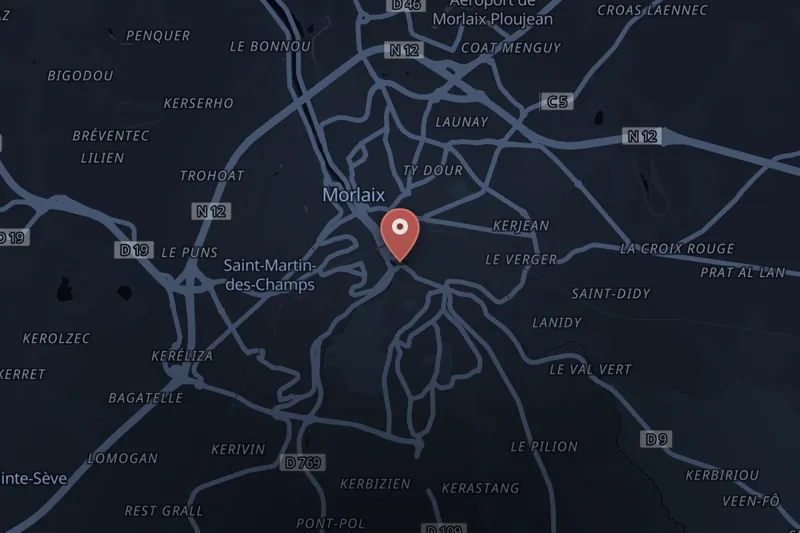
Eileen Isabella Ronnie Gibson, known professionally as Gay Gibson, was a 21-year-old British actress travelling home to England aboard the Union-Castle Line ship MV Durban Castle in October 1947 after a theatre tour in South Africa. She was accommodated in first-class Cabin 126 on B Deck. James Camb, a 30-year-old steward on the liner, had been seen associating with Gibson in violation of company regulations and had been reprimanded by a senior officer.
On the night of 17 October 1947, after an evening of dancing, Gibson was escorted to her cabin by two friends at 11:30pm. Around 3:00am the following morning, duty watchman Frederick Steer was summoned to Cabin 126 by an alarm activated from inside. Camb answered the door only partially and told Steer everything was fine; Steer left, assuming Camb had already responded as duty steward. The next morning, stewardess Eileen Field found Gibson's bunk empty, stains on the sheets, and the porthole open.
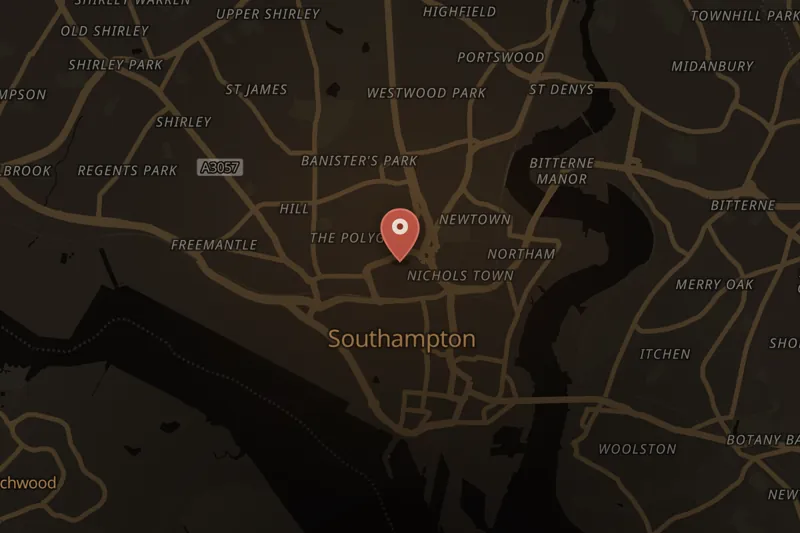
Ship's captain Patey interviewed Camb, who initially denied involvement. When told Steer had seen him inside the cabin, Camb changed his account, claiming Gibson had suddenly died while the two were having sex, and that he had panicked and pushed her body through the porthole out of fear for his job and family. The ship, then roughly 90 miles off the west coast of Africa, was turned around to search for Gibson's body, which was never recovered. London instructed that the cabin be sealed and left undisturbed. On arrival at Cowes Roads, Southampton City Police, assisted by the Metropolitan Police, questioned Camb, who was charged with "murder on the high seas."
At Camb's trial in Winchester, pathologist Denis Hockling testified to a urine stain on the cabin sheets, noting involuntary urination can occur during strangulation, though he acknowledged it could also result from natural causes. Cabin contents, including the porthole section, were used as exhibits. Camb was shown to have changed his account of events six times. After a four-day hearing, the jury deliberated 45 minutes and returned a guilty verdict. Justice Hilbery sentenced Camb to death on 22 March 1948.
The execution was not carried out because Parliament was then considering abolition of the death penalty, and the Home Secretary commuted all pending death sentences. Prime Minister Winston Churchill publicly criticised the outcome. Camb's April 1948 appeal was denied. He served eleven years before release in 1959, was later recalled to prison following convictions for indecent assaults on young girls, and was released again in 1978. He died in July 1979 from heart failure, having denied murdering Gibson for the rest of his life. Some later commentators, including a 2018 BBC documentary, have raised questions about Camb's guilt, citing witness accounts of Gibson previously fainting and turning blue, though her mother denied her daughter had any history of ill health.



 SOLVEDListen