Overview
Pierre Quéméneur, a wood merchant and conseiller général (elected local councillor) of Finistère, disappeared on the night of 25–26 May 1923 during a business trip from Brittany to Paris. The case became known as the Seznec Affair. Quéméneur had reportedly been involved in negotiations connected to the sale of surplus vehicles left in France by the United States Army after the First World War, stocks that were said to be offered for sale to the Soviet Union. He was travelling with Joseph Marie Guillaume Seznec, the head of a sawmill in Morlaix, at the time of his disappearance. Quéméneur's body was never recovered.
Investigation and trial
Seznec, born in Plomodiern, Finistère, in 1878, was identified as the last known person to have seen Quéméneur alive. He was arrested and charged with murder, and investigators pursued the murder hypothesis over other possible explanations for the disappearance. At an eight-day trial in which nearly 120 witnesses were heard, prosecutors sought the death penalty, but because premeditation could not be proven, Seznec was instead found guilty on 4 November 1924 of false promise and of Quéméneur's murder, and was sentenced to hard labour in perpetuity. He was transported to the prison of St-Laurent-du-Maroni in French Guiana in 1927 and later transferred to the Îles du Salut penal colony in 1928.
Later life and death of Seznec
Seznec benefited from a remission of sentence in May 1947 and returned to Paris the following year, maintaining his innocence throughout. In 1953 he was struck by a van in Paris that then drove off; the driver, later questioned, said he had not seen anything. Seznec died of his injuries on 13 February 1954.
Reopening of the case
Seznec's descendants, notably his grandson Denis Le Her-Seznec, made repeated attempts—nine in total—to have the conviction overturned, all unsuccessful. On 11 April 2005, the Commission de révision des condamnations pénales agreed to reopen the case. Before the Court of Cassation on 5 October 2006, the avocat général argued for the benefit of the doubt, pointing to the possibility of a police plot involving trainee inspector Pierre Bonny and his superior, commissaire Vidal, both of whom had been implicated in the original inquiry. A conseiller rapporteur took the opposing view. On 14 December 2006, the Cour de révision refused to annul the conviction, finding no new evidence to cast doubt on Seznec's guilt. The family considered taking the matter to the European Court of Human Rights but abandoned the plan on legal advice.
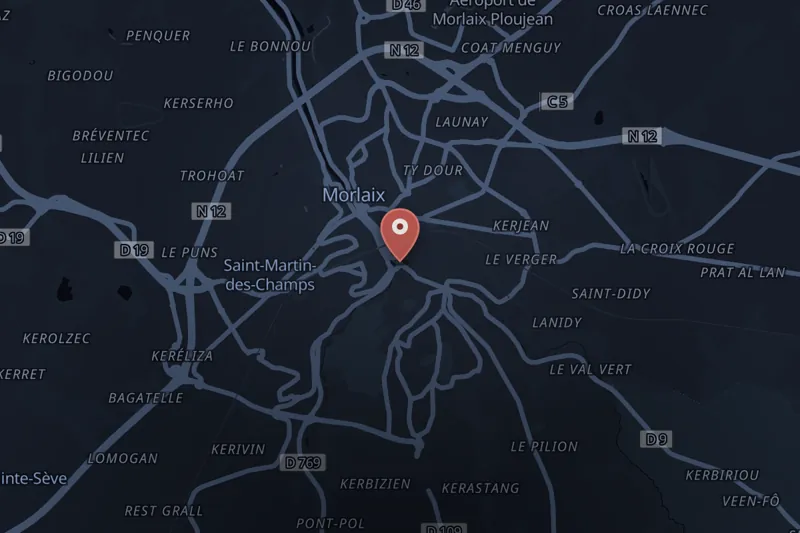
In February 2018, private excavations at the former Seznec family residence in Morlaix, undertaken by lawyer Denis Langlois based on a relative's decades-old account, uncovered a bone identified by a medical examiner as a head of femur. A judicial police investigation in Rennes was opened, though there was no confirmed certainty that the remains were human.

 Credit: Professional photographer, commissioned by the subject herself, 1946Public domainSourceSOLVEDListen