Skip to content
Casepin

Cold case · 1970s

Northwest Orient Airlines Flight 305 hijacking

Also known as D. B. Cooper Hijacking · Dan Cooper Hijacking

COLDCONVICTEDCHARGEDCHARGES DISMISSED / WITHDRAWN
Updated
Updated Jul 4, 2026
Northwest Orient Boeing 727 (N467US) — the aircraft hijacked in the D.B. Cooper caseNorthwest Orient Boeing 727 (N467US) — the aircraft hijacked in the D.B. Cooper caseCredit: Clint Groves (Clinton H. Groves collection), via Wikimedia CommonsGFDL 1.2Source

The short answer

Northwest Orient Airlines Flight 305 hijacking in brief

Following the unsolved November 1971 D. B. Cooper hijacking, more than a dozen copycat hijackers across the United States (and several abroad) attempted similar extortion-and-parachute schemes through 1972, prompting aviation security reforms including the "Cooper vane" and widespread metal detectors.

Key facts

Era
1970s
Place
Pacific Northwest, United States (multiple related incidents across the U.S. and abroad)
Status
COLDCold
Outcome
Convicted: Melvin M. Fisher, Francis Goodell, Lulseged Tesfa, Michael Stanley Green, Richard Charles LaPoint, Richard McCoy Jr., Tatsuji Nakaoka, Frederick William Hahneman, Robb Heady, Martin McNally and Billy Eugene Hurst; Charged: Merlyn St. George

The coverage index

Where to watch & listen

No one's coverage is attached to this file yet.

Know great coverage of this case?

A documentary, a podcast episode, a careful long-form video. Suggest it and an editor will review it before it appears here.

Suggest coverage for this case

The case file

What happened

In November 1971, an unidentified man known as D. B. Cooper hijacked a Northwest Orient Airlines flight, extorted ransom money, and parachuted from the aircraft, evading capture. The case became widely publicized, and within the following year more than a dozen copycat hijackers in the United States attempted similar schemes: hijack a commercial aircraft, demand a cash ransom and parachutes, and bail out mid-flight to escape.

Documented copycat incidents include Everett Holt's December 1971 hijacking of a Northwest Orient flight; Billy Hurst's January 1972 hijacking of Braniff Flight 38; Richard Charles LaPoint's hijacking of Hughes Airwest Flight 800, after which he was captured following his parachute jump over Colorado; Merlyn St. George's alleged attempted hijacking of a Mohawk Airlines flight, which ended when he was shot and killed by an FBI agent; Richard McCoy Jr.'s hijacking of United Airlines Flight 855, considered the most notable of the copycat cases, for which he was convicted and sentenced to 45 years, later escaping prison and being killed in a subsequent shootout with FBI agents; Stanley Speck's hijacking of a Pacific Southwest Airlines flight, ending in his arrest via a ruse by the pilot and FBI agents; Frederick Hahneman's hijacking of Eastern Air Lines Flight 175, followed by a 28-day manhunt in Honduras before his surrender; Robb Heady's hijacking of United Airlines Flight 239; Martin McNally's hijacking of an American Airlines 727, during which a bystander rammed the aircraft with a car; Francis Goodell's hijacking of a Pacific Southwest Airlines flight; the joint hijacking of a National Airlines flight by Michael Green and Lulseged Tesfa; and Melvin Fisher's hijacking of an American Airlines flight, in which he ultimately surrendered rather than jump.

Each case resulted in arrest, conviction, or, in one instance, the hijacker's death during apprehension. Sentences ranged from psychiatric commitment to life imprisonment. In response to this wave of extortion hijackings, the aviation industry and federal regulators introduced countermeasures, including the "Cooper vane," a device fitted to aircraft to prevent the rear airstairs from being lowered during flight, and the broader rollout of metal detectors at American airports. These measures are credited with ending the wave of copycat hijackings.

Other hijackings outside the United States are believed to have involved similar jump-and-escape methods but not necessarily inspired by the original Cooper case, including a November 1972 hijacking of a Japan Airlines flight in Tokyo by a man demanding $2 million and a flight to Cuba, who was overpowered by police; a 1992 hijacking of Vietnam Airlines Flight 850 by a former South Vietnamese air force pilot who parachuted out after dropping political leaflets and was later arrested on the ground; and a 2000 hijacking of Philippine Airlines Flight 812 in which the hijacker died after his parachute failed to deploy.

22 dated entries · synced to the map

Timeline

Select a moment to place it on the map and light up the source behind it.

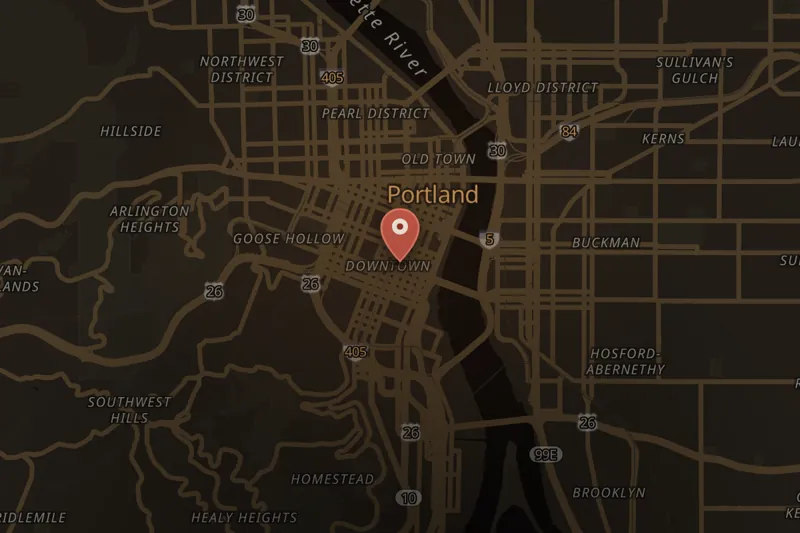
8 located events on this case. Browse them in the timeline list; selecting an event moves the map to its place and highlights its source.

  1. [1]
  2. [1]
  3. [1]

13 named in this file

People

Victims first. Every legal label is set from public records and court outcomes, not from the prose.

  • Billy Eugene Hurst

    CONVICTED

    Convicted of aircraft piracy in 1973 for hijacking Braniff Flight 38; sentenced to 20 years.[3]

  • Francis Goodell

    CONVICTED

    Sentenced to 30 years for air piracy after hijacking a Pacific Southwest Airlines flight in July 1972.[3]

  • Frederick William Hahneman

    CONVICTED

    Sentenced to life imprisonment for hijacking, kidnapping, and extortion after hijacking Eastern Air Lines Flight 175 in May 1972; served 12 years.[3]

  • Lulseged Tesfa

    CONVICTED

    Sentenced to a 60-year prison term for hijacking a National Airlines flight in July 1972 with Michael Green; released in 1982.[3]

  • Martin McNally

    CONVICTED

    Convicted in 1972 of hijacking an American Airlines 727 and sentenced to two concurrent life terms plus additional consecutive sentences for air piracy, kidnapping, attempted escape, and conspiracy; paroled in 2010.[3]

  • Melvin M. Fisher

    CONVICTED

    Sentenced to life imprisonment following a September 1972 trial for hijacking an American Airlines flight.[3]

  • Michael Stanley Green

    CONVICTED

    Sentenced to a 50-year prison term for hijacking a National Airlines flight in July 1972 with Lulseged Tesfa; released in 1984.[3]

  • Richard Charles LaPoint

    CONVICTED

    Pleaded guilty to aircraft piracy for hijacking Hughes Airwest Flight 800; sentenced to 40 years.[3]

  • Richard McCoy Jr.

    CONVICTED

    Convicted for hijacking United Airlines Flight 855 in April 1972; sentenced to 45 years, later escaped prison and was killed in a shootout with FBI agents.[1]

  • Robb Heady

    CONVICTED

    Pleaded guilty to aircraft piracy in September 1972 for hijacking United Airlines Flight 239; sentenced to 30 years.[3]

  • Tatsuji Nakaoka

    CONVICTED

    Convicted of hijacking a Japan Airlines 727 in Tokyo in November 1972 and sentenced to 20 years in prison; he was overpowered by police judo experts during the operation.[3]

  • Merlyn St. George

    CHARGED

    Identified as the man who hijacked a Mohawk Airlines flight in January 1972; shot and killed by an FBI agent while fleeing with a hostage, so was never prosecuted.[3]

  • Everett Holt

    CHARGES DISMISSED / WITHDRAWN

    A 25-year-old Indiana University dropout who hijacked Northwest Orient Airlines Flight 734 on 24 December 1971, firing a pistol and claiming to have dynamite, and demanding $300,000 and two parachutes in a copycat of the D.B. Cooper hijacking; he surrendered after the flight crew escaped the cockpit while he counted the ransom. He was committed to a mental hospital and released in May 1975, when the charges against him were dismissed. He was never convicted. No charges remain pending against him in this case.[3]

From the record

Quick answers

Who were convicted?
Melvin M. Fisher: Sentenced to life imprisonment following a September 1972 trial for hijacking an American Airlines flight. Francis Goodell: Sentenced to 30 years for air piracy after hijacking a Pacific Southwest Airlines flight in July 1972. Lulseged Tesfa: Sentenced to a 60-year prison term for hijacking a National Airlines flight in July 1972 with Michael Green; released in 1982. Michael Stanley Green: Sentenced to a 50-year prison term for hijacking a National Airlines flight in July 1972 with Lulseged Tesfa; released in 1984. Richard Charles LaPoint: Pleaded guilty to aircraft piracy for hijacking Hughes Airwest Flight 800; sentenced to 40 years. Richard McCoy Jr.: Convicted for hijacking United Airlines Flight 855 in April 1972; sentenced to 45 years, later escaped prison and was killed in a shootout with FBI agents. Tatsuji Nakaoka: Convicted of hijacking a Japan Airlines 727 in Tokyo in November 1972 and sentenced to 20 years in prison; he was overpowered by police judo experts during the operation. Frederick William Hahneman: Sentenced to life imprisonment for hijacking, kidnapping, and extortion after hijacking Eastern Air Lines Flight 175 in May 1972; served 12 years. Robb Heady: Pleaded guilty to aircraft piracy in September 1972 for hijacking United Airlines Flight 239; sentenced to 30 years. Martin McNally: Convicted in 1972 of hijacking an American Airlines 727 and sentenced to two concurrent life terms plus additional consecutive sentences for air piracy, kidnapping, attempted escape, and conspiracy; paroled in 2010. Billy Eugene Hurst: Convicted of aircraft piracy in 1973 for hijacking Braniff Flight 38; sentenced to 20 years.

3 cited

Sources

Coverage is not a source: every fact in this file rests on the records below.

  • 1 Official / agency
  • 1 Press
  • 1 Encyclopedic
  1. Contemporaneous coverage — FBI

    Official / agencyFBIAccessed Jul 5, 2026

  2. Contemporaneous coverage — The New York Times

    PressThe New York TimesAccessed Jul 5, 2026

  3. D. B. Cooper copycat hijackings

    EncyclopedicWikipediaAccessed Jul 5, 2026

Trust

Record history

First published
Jul 5, 2026
Last verified against sources
Jul 5, 2026
Corrections
None

Are you family of someone named in this file? Corrections and removal requests from victims’ families are prioritized.