
Start here
Did Cops Murder a Teen Informant? | The Horrific Case of Andrew Sadek
Coffeehouse Crime's 34-minute breakdown, the fullest single telling on file.
Watch on YouTubeUnsolved case · 2014
Also known as Andrew Sadek's death · Andrew Sadek death
 Andrew SadekCredit: Unknown, possibly a selfieEditorial useSource
The short answer
Andrew Sadek, a 20-year-old North Dakota college student who had been working as a police confidential informant, disappeared from his dormitory in May 2014 and was found shot dead in the Red River nearly two months later, in a case whose manner of death has never been officially determined.
Did Cops Murder a Teen Informant? | The Horrific Case of Andrew SadekCoffeehouse Crime · 34 min2 pieces from 2 creators: ranked, with duplicates removed and short clips set aside.
Start here
Coffeehouse Crime's 34-minute breakdown, the fullest single telling on file.
Watch on YouTubeThe Mysterious Case of Andrew Sadek
 Bella FioriVideo · YouTube · 29 min · 2020
Titles and descriptions are the creators’ own and may not reflect current legal status. The sourced facts are in the file below. Players load only when you press play. Suggest coverage we’re missing.
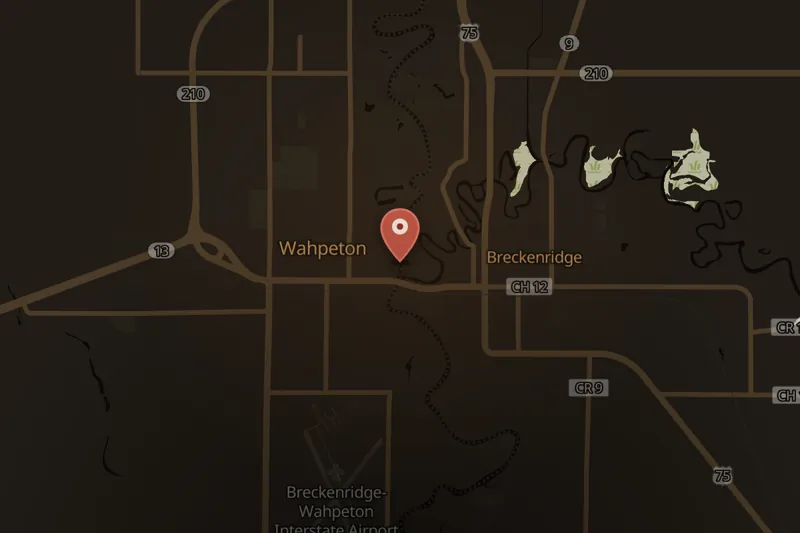
Andrew Sadek was a 20-year-old student at the North Dakota State College of Science (NDSCS) in Wahpeton, North Dakota, studying to become an electrical technician, and was described by family and teachers as quiet and shy. In April 2013, he began selling marijuana to other students on campus, including a fellow student working as a confidential informant for the South East Multi-County Agency Narcotics Task Force (SEMCA). After a November 2013 search of his dorm room turned up drug residue, a SEMCA officer told him he could face a Class A felony charge and up to 40 years in prison for selling marijuana on a college campus. Sadek agreed to work as an informant himself in exchange for the charges being dropped, and made several controlled buys under police supervision before losing contact with SEMCA after a buy in January 2014, without completing the purchases he still owed.
Sadek was last seen on dormitory security video leaving Nordgaard Hall after 2 a.m. on May 1, 2014, carrying a backpack; his phone was with him but turned off. When he missed classes and did not return, friends reported him missing. SEMCA, believing he had fled to avoid further informant work, had him formally charged with the two felonies and sought his arrest. Nearly two months later, on June 27, 2014, a police dive team on a training exercise found his body in the Red River near Breckenridge, Minnesota, across from Wahpeton; he was identified through dental records.
An autopsy found that Sadek died of a small-caliber gunshot wound to the head; investigators could not establish whether it was self-inflicted, and the weapon was never located despite repeated searches. The backpack found with his body had been filled with rocks, and his wallet and the sweatshirt seen on camera were missing; his body instead wore an unfamiliar jacket. His mother, Tammy Sadek, said a planned river search had been delayed and that campus police had not adequately pursued the possibility of homicide, noting that a .22-caliber pistol was missing from the family home even though her son had shown no suicidal signs, left no note, and had graduation only two weeks away. She also said the family found his car's interior soaked with water when it was returned to them. The manner of Sadek's death has never been officially determined.
At Tammy Sadek's request, North Dakota Attorney General Wayne Stenehjem convened a panel of veteran law enforcement officers to review SEMCA's handling of the case. Its report, published in 2015, found SEMCA had largely followed proper procedure but recommended the task force come under state Bureau of Criminal Investigation oversight, a change adopted by the end of that year. Tammy Sadek said the review was not truly independent.
A December 2015 CBS News 60 Minutes segment comparing Sadek's case to another NDSCS student's informant work helped prompt "Andrew's Law," which reduced campus marijuana penalties and added informant protections; it passed the state House of Representatives in February 2017 and the state Senate in April 2017 before being signed into law. Separately, Sadek's parents sued Richland County and SEMCA officer Jason Weber for wrongful death, alleging the county failed to properly train and oversee Sadek and misrepresented the punishment he faced if he did not cooperate. A district court granted summary judgment for the defense in 2019, upheld by the North Dakota Supreme Court in 2020; a later post-judgment motion by the family was also denied and upheld on appeal in 2023. A documentary about the case, The Dakota Entrapment Tapes, premiered in 2020.
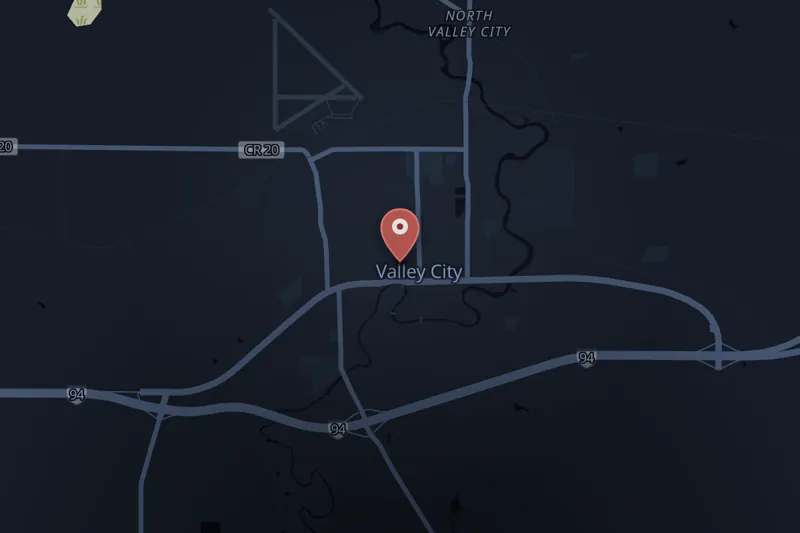
Andrew Sadek is born in Valley City, North Dakota.
Sadek enrolls at North Dakota State College of Science (NDSCS) in Wahpeton.
Sadek begins selling marijuana to other students on campus, including a police confidential informant.
SEMCA searches Sadek's dorm room and finds drug residue; Sadek agrees to work as a confidential informant to avoid felony prosecution.
Sadek makes a controlled drug buy for SEMCA, his last documented work as an informant.
Sadek is last seen on security video leaving his dormitory after 2 a.m.; he is reported missing after failing to return to class.
A police dive team finds Sadek's body in the Red River near Breckenridge, Minnesota; he is identified through dental records.
Tammy Sadek asks the North Dakota attorney general to review SEMCA's handling of her son's case.
A state review panel reports that SEMCA largely followed proper procedure but recommends the task force come under state oversight.
CBS News's 60 Minutes airs a segment comparing Sadek's case to another NDSCS student recruited as a police informant.
Sadek's parents file a wrongful-death lawsuit against Richland County and SEMCA officer Jason Weber.
The "Andrew's Law" bill passes the North Dakota House of Representatives.
The bill passes the North Dakota State Senate.
"Andrew's Law," reducing campus drug penalties and adding informant protections, is signed into law.
A district court grants summary judgment for the defense in the Sadeks' wrongful-death suit.
The North Dakota Supreme Court upholds the summary judgment by a 4-1 vote.
The documentary "The Dakota Entrapment Tapes," about Sadek's case, premieres at the Hot Docs festival.
Sadek's parents file a new motion for post-judgment relief, which the court denies as untimely.
The North Dakota Supreme Court upholds the denial on appeal.
Victims first. Every legal label is set from public records and court outcomes, not from the prose.
20-year-old NDSCS student who worked as a police confidential informant, disappeared on May 1, 2014, and was found dead in the Red River on June 27, 2014; the manner of his death was never officially determined.[3]
Richland County deputy sheriff and SEMCA officer who recruited Sadek as a confidential informant after a November 2013 dorm-room search; later named as a defendant in the Sadek family's wrongful-death lawsuit, which courts resolved in his favor.[3]
Wahpeton Police Chief and SEMCA board member who publicly defended the task force's use of confidential informants.[3]
North Dakota Attorney General who convened a review panel into SEMCA's handling of Sadek's case at the family's request, and later publicly questioned the need for the resulting informant-protection legislation.[3]
Coverage is not a source: every fact in this file rests on the records below.
Are you family of someone named in this file? Corrections and removal requests from victims’ families are prioritized.
 SOLVEDListen
Valley City, North Dakota, United States · 2000s
Valley City State University student Mindy Morgenstern was killed in her apartment in 2006, and neighbor Moe Gibbs was convicted of murder after a retrial.
 Credit: RaptacCC BY-SA 4.0SourceSOLVEDListen
Bardstown, Kentucky · 2015
Crystal Rogers, a 35-year-old Bardstown, Kentucky, mother of five, disappeared in July 2015 and has never been found; in 2025, her former boyfriend, Brooks Houck, was found guilty of her murder, and two other men were convicted of related conspiracy and evidence-tampering charges.
 Credit: ABC News (Australia), via English WikipediaEditorial useSourceSOLVEDListen
Logan City, Queensland, Australia · 2015
Tiahleigh Palmer, a 12-year-old girl from Logan City, Queensland, was murdered by her foster father in October 2015; he pleaded guilty in 2018 and was sentenced to life imprisonment.
 Credit: Family handout via Suffolk NewsEditorial useSourceCOLDListen
Bury St Edmunds, Suffolk, England · 2016
Royal Air Force gunner Corrie McKeague disappeared after a night out in Bury St Edmunds in September 2016, and a 2022 inquest concluded he died after climbing into a waste bin that was tipped into a bin lorry, though his remains were never found.
 Credit: Family/Instagram photograph, widely distributed in press coverageEditorial useSourceSOLVEDListen
Moscow, Idaho · 2022
Four University of Idaho students—Madison Mogen, Kaylee Goncalves, Ethan Chapin, and Xana Kernodle—were fatally stabbed inside an off-campus house in Moscow, Idaho, in the early morning hours of November 13, 2022. Bryan Kohberger, a criminology PhD student at nearby Washington State University, was arrested that December and pleaded guilty in 2025, receiving four consecutive life sentences.
 Credit: Mona EshaikerCC BY-SA 3.0SourceSOLVEDListen
Holmby Hills, Los Angeles, California · 2009
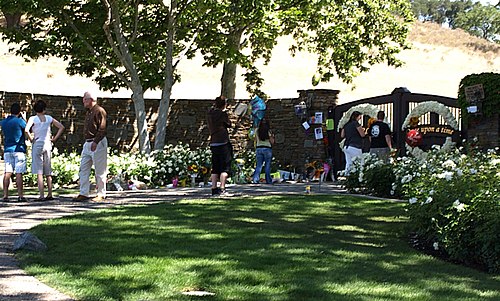
Singer Michael Jackson died on June 25, 2009, in Los Angeles from acute propofol intoxication administered by his personal physician, Conrad Murray. The Los Angeles County coroner ruled the death a homicide, and Murray was convicted of involuntary manslaughter in November 2011.
 Credit: CBS News / Travis Alexander (personal photo)Editorial useSourceSOLVEDListen
Mesa, Arizona, United States · 2000s
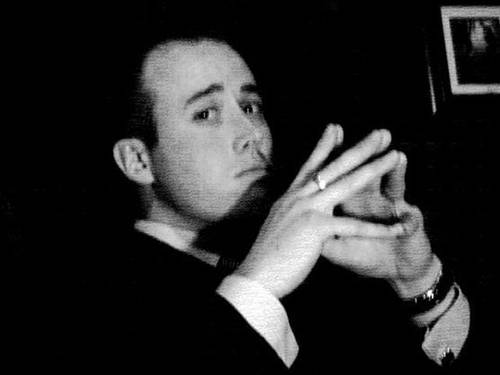
Travis Alexander, 30, was stabbed, slashed, and shot to death in his Mesa, Arizona home on June 4, 2008. His ex-girlfriend, Jodi Arias, was convicted of first-degree murder in 2013 and sentenced to life without parole in 2015 after two juries deadlocked on the death penalty.
Credit: Family/Instagram photograph, widely distributed in press coverageEditorial useSourceSOLVEDListenMoscow, Idaho · 2022
Four University of Idaho students—Madison Mogen, Kaylee Goncalves, Ethan Chapin, and Xana Kernodle—were fatally stabbed inside an off-campus house in Moscow, Idaho, in the early morning hours of November 13, 2022. Bryan Kohberger, a criminology PhD student at nearby Washington State University, was arrested that December and pleaded guilty in 2025, receiving four consecutive life sentences.
 Image recordEditorial useSourceSOLVEDListen
Austin, Texas · 2022
Moriah Wilson, a 25-year-old professional cyclist, was shot and killed at a friend's residence in Austin, Texas, on May 11, 2022, and Kaitlin Armstrong was later convicted and sentenced to 90 years in prison for the killing.
 Credit: Wikimedia Commons, photo by Glenn Francis (PacificProDigital.com)Editorial useSourceSOLVEDListen
Hollywood Hills, Los Angeles, California · 2014
Amie Harwick, a Los Angeles marriage and family therapist and author, was strangled and thrown from her third-floor Hollywood Hills balcony on February 15, 2020, by an ex-boyfriend who had a history of stalking her. He was convicted of first-degree murder in 2023 and sentenced to life without parole.
 Credit: BKA Germany/ Federal Criminal Police Office (Germany)Public domainSourceUNSOLVEDListen
Varna Airport, Varna, Bulgaria · 2014
German tourist Lars Mittank vanished after fleeing Varna Airport in Bulgaria on 8 July 2014 and has not been seen since.
 Credit: Haley AndersonEditorial useSourceSOLVEDListen
Oak Street, West Side, Binghamton, New York · 2018
Haley Anderson, a 22-year-old nursing student at Binghamton University, was strangled to death on March 8, 2018, by fellow student Orlando Tercero at his off-campus apartment. Tercero fled to Nicaragua, was captured days later, and was convicted of femicide there, receiving a 30-year sentence.
