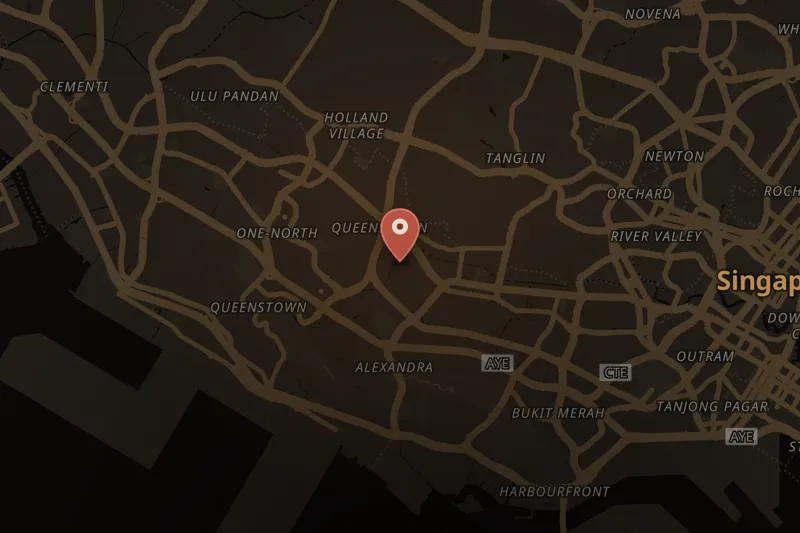
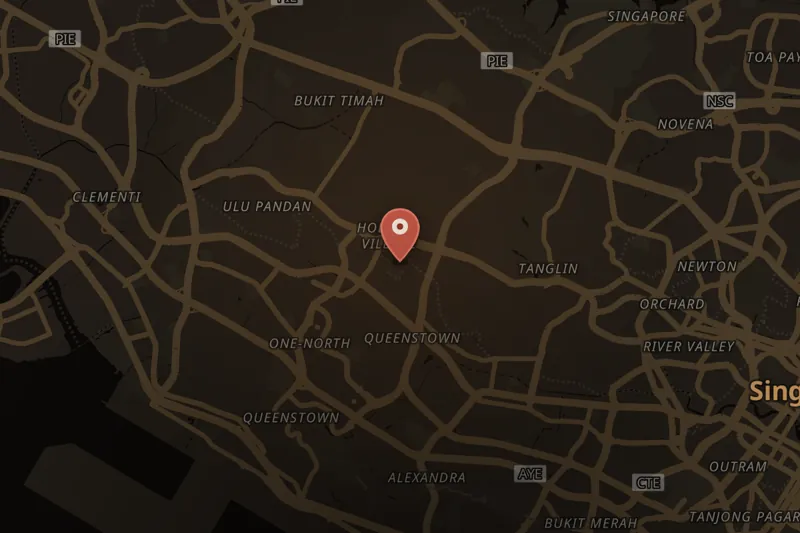
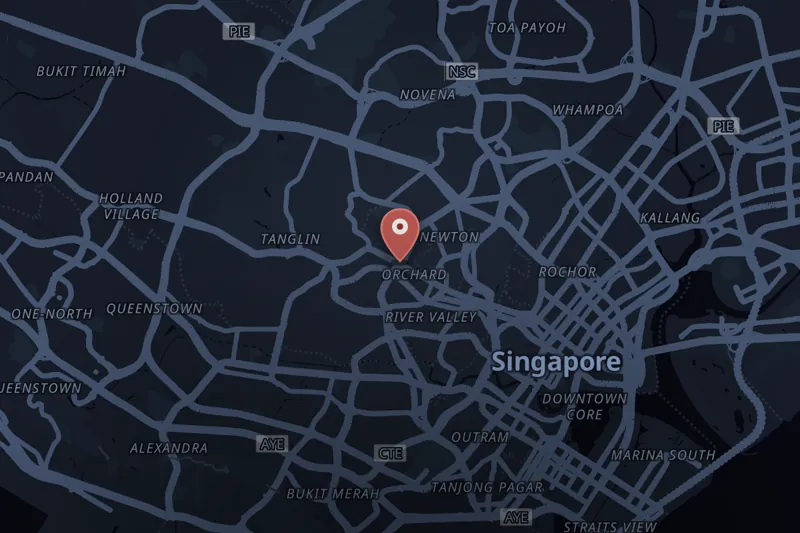
Ayakannu Marithamuthu, born in 1950 and of Indian descent, worked as a caretaker overseeing Public Utilities Board-run holiday chalets along Biggin Hill Road in Changi, Singapore. From around 1980, he lived with his wife and their three children in a small house behind Orchard Road Presbyterian Church. He disappeared on 12 December 1984, allegedly killed just outside his home.
His wife, Nagaratha Vally Ramiah, filed a missing person's report at the Joo Chiat Police Station, stating that Marithamuthu had gone to the Genting Highlands to gamble. Police subsequently opened an investigation that led to the arrest of six people: Nagaratha, her three brothers — Rathakrishnana Ramayah, Shanmugam Chandra, and Balakrishna Ramiah — her mother, Kamachi Krishnasamy, and her sister-in-law, Mary Manuee (Rathakrishnana's wife). Police alleged that the first four had planned to kill Marithamuthu, while the remaining two had allegedly provided support.
Throughout the roughly two-year investigation, neither Marithamuthu's body nor any murder weapon was recovered. The case became known publicly as the "Curry Murder" due to allegations that his body had been cooked into a curry before being disposed of in garbage containers.
On 23 March 1987, the six suspects were formally charged and brought before the court to face trial for murder, an offence carrying a possible death penalty upon conviction. They were represented by lawyers Subbiah Pillai and Raj Kumar, and approximately two hundred people were reported to have been present in the courtroom. On the day of the trial, prosecutors admitted the evidence was insufficient, and the presiding judge released the six suspects with a discharge not amounting to an acquittal. Police stated that further investigations were ongoing and that the suspects could be recalled to court if more substantial evidence emerged.
On the same day they were released from the murder charge, the three brothers — Rathakrishnana Ramayah, Shanmugam Chandra, and Balakrishna Ramiah — were re-arrested under the Criminal Law Act and detained in Changi Prison for four years before being released.
Central Investigations Department director Jagjit Singh described the case as "one of the most unusual and bizarre cases we have ever handled." The case attracted lasting public and media attention in Singapore. In 1995, the Television Corporation of Singapore broadcast a 30-episode serial titled Doctor Justice, one episode of which depicted an exaggerated dramatization of the case. In 2004, the Singaporean documentary series Missing re-enacted the case, altering the names of the victim and suspects to protect their identities.
No one has ever been convicted in connection with Ayakannu Marithamuthu's disappearance and presumed death, and his body has never been located.

 Credit: DavidelitCC BY-SA 4.0SourceSOLVEDListen