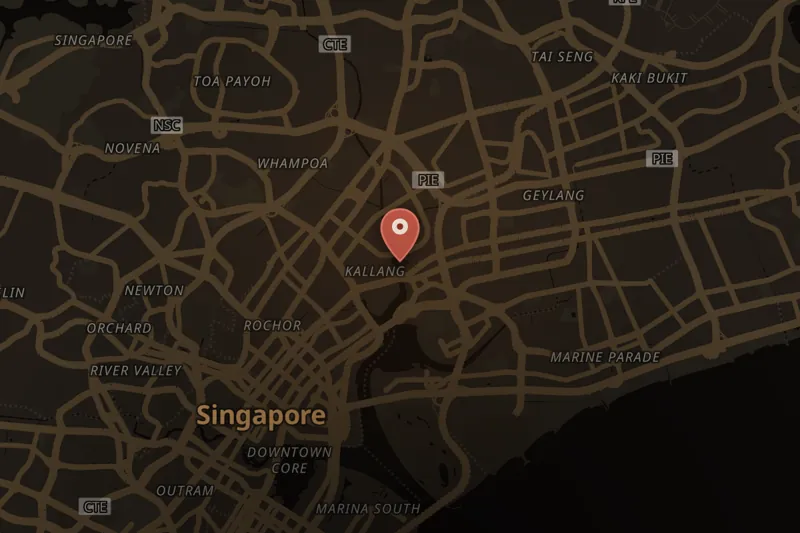
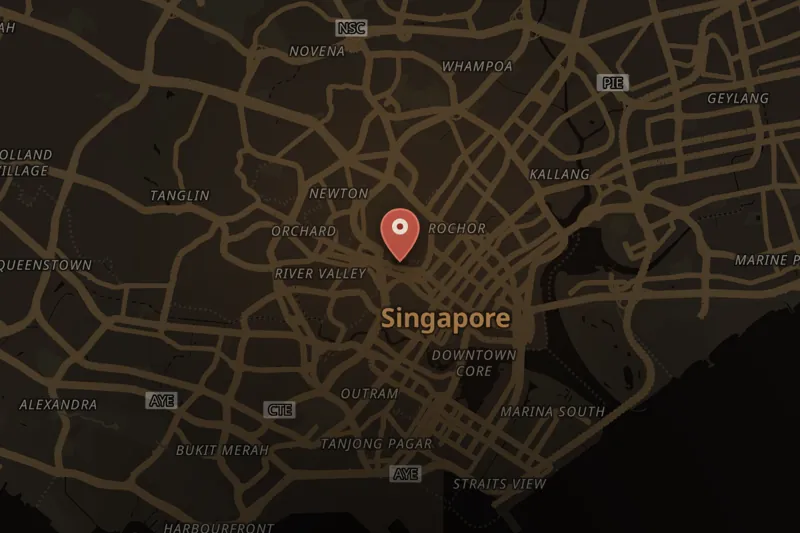
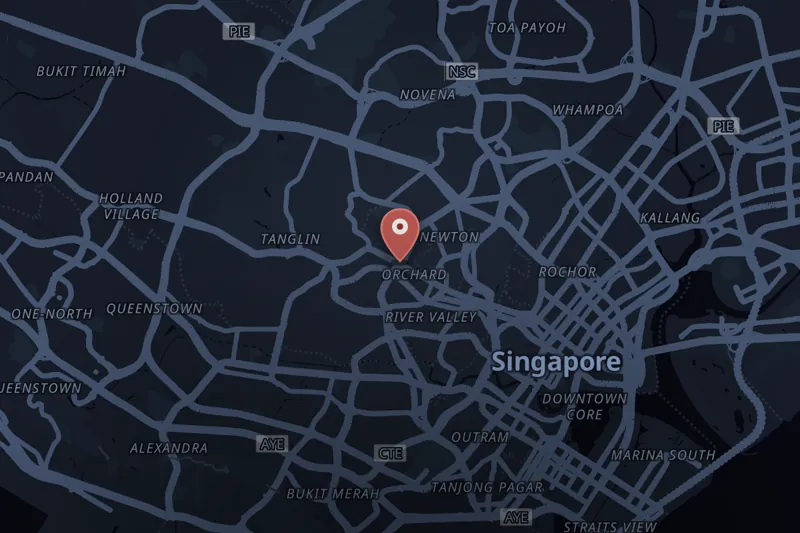
On 10 March 1965 at 15:07 local time, a bomb exploded at MacDonald House, an office building on Orchard Road, Singapore, that housed the Hongkong and Shanghai Bank (HSBC), the Australian High Commission, and the Japanese Consulate. The blast instantly killed Elizabeth Suzie Choo, a 36-year-old secretary to the bank manager, and Juliet Koh, a 23-year-old clerk. A third victim, 45-year-old driver Mohammed Yasin bin Kesit, died on 12 March after falling into a coma from the blast. At least 33 others were injured. The explosion, caused by approximately 9 to 11 kilograms of nitroglycerin explosives, damaged the mezzanine floor, lift doors, and windows up to nine storeys of the building, and caused an elevator to fall to the basement.
The bombing occurred during the Indonesia–Malaysia confrontation (Konfrontasi), a conflict in which Indonesia opposed the formation of Malaysia. It was carried out by two Indonesian marines, Harun bin Said and Osman bin Haji Muhammad Ali, who had been instructed to bomb a power station but instead targeted MacDonald House. After planting the device, the two attempted to flee Singapore by motorboat but were rescued from the water by a bumboat operator after their boat failed, and were subsequently apprehended by police. They were initially charged with entering a controlled area before being identified as the bombing suspects.
On 15 March 1965, Harun and Osman were charged in a magistrate's court with causing the deaths of the three victims; the bombing itself was not named in the charges. They stood trial in the High Court beginning 4 October 1965 before Justice Chua. Their defense argued they should be treated as prisoners of war under the Geneva Convention as members of the Indonesian Armed Forces, while the prosecution, led by Senior Crown Counsel Francis T. Seow, argued they were mercenaries who had been paid to carry out the attack and were not in uniform when apprehended. After a 13-day trial, on 20 October 1965 both men were found guilty on all three murder charges and sentenced to death. An appeal to the Federal Court was rejected on 6 October 1966, though the men were granted leave to appeal to the Privy Council in London. Despite this and a clemency plea from Indonesian President Suharto, Harun and Osman were hanged at Changi Prison on 17 October 1968.
The bombing prompted heightened security measures across Singapore, including package inspections and the formation of security committees by businesses. It also strained Indonesia–Singapore relations; on the day of the hanging, around 300 students occupied the Singapore Embassy in Jakarta. Relations improved after 1973, when Singapore Prime Minister Lee Kuan Yew visited and scattered flowers on the marines' graves in Indonesia. The naming of an Indonesian warship after the two men in 2014 renewed tensions, leading to a diplomatic apology from Indonesia's military chief. A memorial to victims of the Konfrontasi was unveiled at Dhoby Ghaut Green, opposite MacDonald House, on 10 March 2015, the 50th anniversary of the bombing.


 UNSOLVEDListen