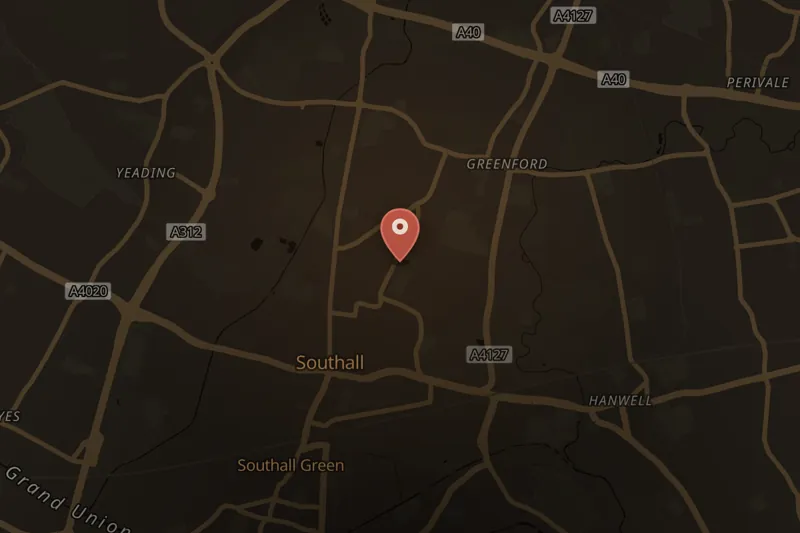
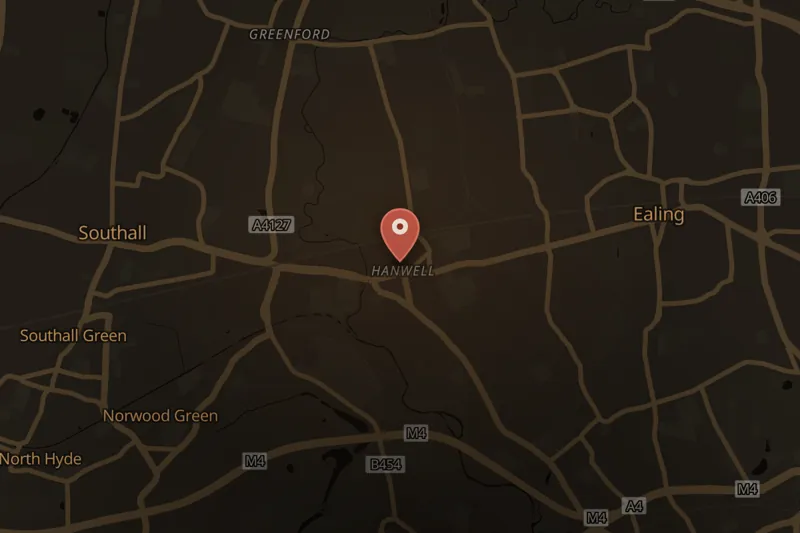
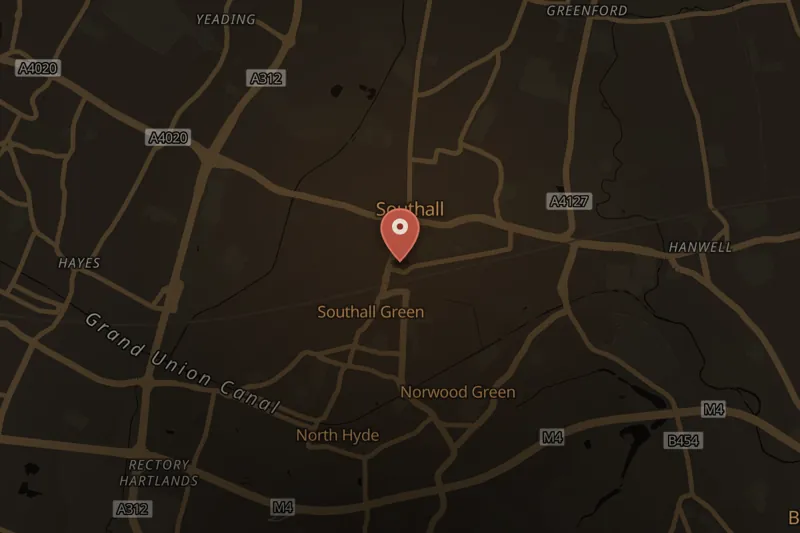
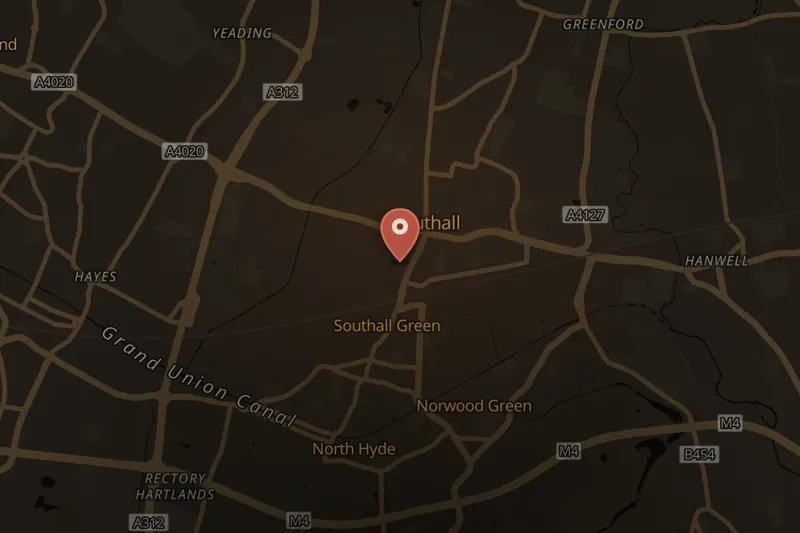
Ames Glover was born on 21 August 1989 and disappeared on 5 February 1990, at five months old, from the back seat of his father's car in Southall, a suburban town in West London. No trace of him has ever been found.
According to his father, Paul Glover, he left Ames in the back seat of the car in Southall for approximately twenty minutes while he visited a cashpoint and then a take-away restaurant. When he returned to the car, Ames was gone.
Police interviewed more than 2,000 people during the initial investigation, including both of Ames's parents. No charges were brought, and investigators found no solid leads as to what had happened to him.
The police handling of the case has drawn criticism both at the time and in later years. Information about the family's circumstances — that Ames's parents were estranged at the time of his disappearance and that he had been placed on an "at risk register" — was passed to the media by police. This disclosure appears to have contributed to the case receiving a lower public profile than other child disappearances of the era. Commentary on the case has also pointed to racism in media and public attitudes as a factor; writing in The Independent more than two decades after Ames disappeared, columnist Philip Hensher observed that it is "harder to make a good story out of a missing black child than out of one with blond hair and blue eyes."
Following pressure from Ames's mother, Shanika Ondaatjie, the case was reopened in 2002 under the control of Scotland Yard's Racial and Violent Crimes Taskforce. In 2003, police officers travelled to Ghana in West Africa after receiving a tip-off suggesting Ames may have been taken there. A reward was offered for information, but the enquiries in Ghana produced no results. DNA tests conducted on two young Ghanaian men who had been named in connection with the case came back negative.
Since the 2003 Ghana investigation, there have been periodic public appeals for new information, but these have not led to significant progress. As of 2020, the case remained open. Ames's mother, Shanika Ondaatjie, said at that time: "Although I have tried to move on, there will always be a part of me that cannot. I need to know what happened to Ames."

 SOLVEDListen