
Start here
DAUGHTER OF MAKEUP MILLIONAIRE DISAPPEARS – The Dorothy Arnold Case

Brooke Makenna's 25-minute breakdown, the fullest single telling on file.
Watch on YouTubeUnsolved case · 1910
 (King1893NYC) pg766 KNICKERBOCKER TRUST CO., 234 FIFTH AVENUE, CORNER OF 27th STREETCredit: This file is from the Mechanical Curator collection, a set of over 1 million images…Public domainSource
The short answer
Dorothy Arnold, a 25-year-old New York socialite and aspiring writer, vanished after leaving her Manhattan home to shop on December 12, 1910. Despite an extensive private and police investigation, numerous rumors, and alleged sightings, her fate was never determined.
DAUGHTER OF MAKEUP MILLIONAIRE DISAPPEARS – The Dorothy Arnold CaseBrooke Makenna · 25 min1 piece from 1 creator: ranked, with duplicates removed and short clips set aside.
Start here
Brooke Makenna's 25-minute breakdown, the fullest single telling on file.
Watch on YouTubeTitles and descriptions are the creators’ own and may not reflect current legal status. The sourced facts are in the file below. Players load only when you press play. Suggest coverage we’re missing.
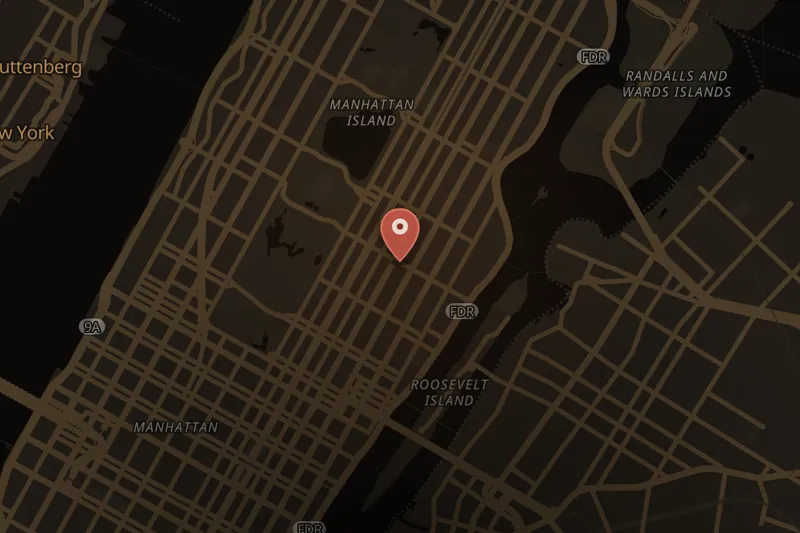
Dorothy Harriet Camille Arnold was born in New York City on July 1, 1885, to Francis R. Arnold, a wealthy importer of fine goods, and Mary Martha Parks Arnold. After graduating from Bryn Mawr College in 1905, she returned to her family's home at 108 East 79th Street and pursued a writing career, submitting short stories to McClure's magazine that were repeatedly rejected. Two months before her disappearance, her father refused her request to move into a Greenwich Village apartment to write.
On the morning of December 12, 1910, Arnold left home to shop for a dress for her sister's upcoming debutante party. She was seen by clerks at Park & Tilford and Brentano's bookstore, and spoke with a friend, Gladys King, outside the bookstore around 2 p.m., telling her she planned to walk home through Central Park. She was never confirmed to have been seen again. When she failed to return for dinner, her family grew alarmed; a friend who called that night was reportedly told, incorrectly, that Arnold had come home and gone to bed with a headache.
Fearing publicity, the Arnold family initially avoided contacting police, instead hiring a family friend and lawyer, John S. Keith, and later Pinkerton detectives, to search hospitals, morgues, and jails in several cities. Investigators found that all of Arnold's clothing except what she was wearing remained at home, along with burned papers believed to be her rejected manuscripts and literature about transatlantic ocean liners. The family did not file a formal police report until January 1911, when Francis Arnold held a press conference and offered a $1,000 reward.
The investigation drew attention to Arnold's secret romantic relationship with George Griscom Jr., a Pittsburgh engineer she had met at Bryn Mawr, with whom she had spent a week at a hotel in September 1910 under a false pretext to her parents. Griscom, questioned by Arnold's mother and brother in Italy, denied knowledge of her whereabouts. Police searched the Central Park Reservoir on her father's theory that she had been attacked and killed, but found nothing.
Numerous theories emerged over subsequent years, including accidental death, amnesia following a fall, suicide linked to her writing failures or troubled relationship with Griscom, death during an illegal abortion, and a claim by a convicted felon, Edward Glennoris, in 1916 that he had helped bury her body, which police could not substantiate. The NYPD formally concluded in 1911 that Arnold was likely dead but found no evidence of a crime. Alleged sightings and letters purporting to be from Arnold continued for years, all found to be false. Her father died in 1922, having spent an estimated $250,000 searching for her and believing she had been murdered; her mother died in 1928, reportedly still hoping her daughter was alive. Dorothy Arnold's disappearance remains unresolved.
Dorothy Harriet Camille Arnold is born in New York City.
Arnold graduates from Bryn Mawr College.
Arnold secretly spends a week at a hotel with George Griscom Jr. after telling her parents she was visiting a former classmate in Boston.
Arnold's second short story submission to McClure's magazine is rejected.
Arnold leaves her family home to shop for a dress, is seen by clerks and a friend, and is not confirmed seen again.
The Arnold family sends a telegram to George Griscom Jr. in Italy asking about Dorothy's disappearance.
The Arnold family files a missing persons report with the NYPD.
Arnold's mother and brother confront Griscom in Italy; he denies knowledge of her whereabouts.
Francis Arnold holds a press conference announcing his daughter's disappearance and offers a $1,000 reward.
NYPD announces it believes Arnold is dead but has found no evidence of a crime and stops active investigation.
Convicted felon Edward Glennoris claims he helped bury a woman he believed was Dorothy Arnold; police excavations find no remains.
Captain John H. Ayers of the Bureau of Missing Persons claims Arnold's fate is known, then retracts the statement the next day.
Francis Arnold, Dorothy's father, dies, having excluded her from his will believing she was dead.
Mary Arnold, Dorothy's mother, dies, reportedly still hopeful her daughter was alive.
Victims first. Every legal label is set from public records and court outcomes, not from the prose.
New York socialite and aspiring writer who disappeared on December 12, 1910; her fate was never determined.[3]
Coverage is not a source: every fact in this file rests on the records below.
Are you family of someone named in this file? Corrections and removal requests from victims’ families are prioritized.
 SOLVEDListen
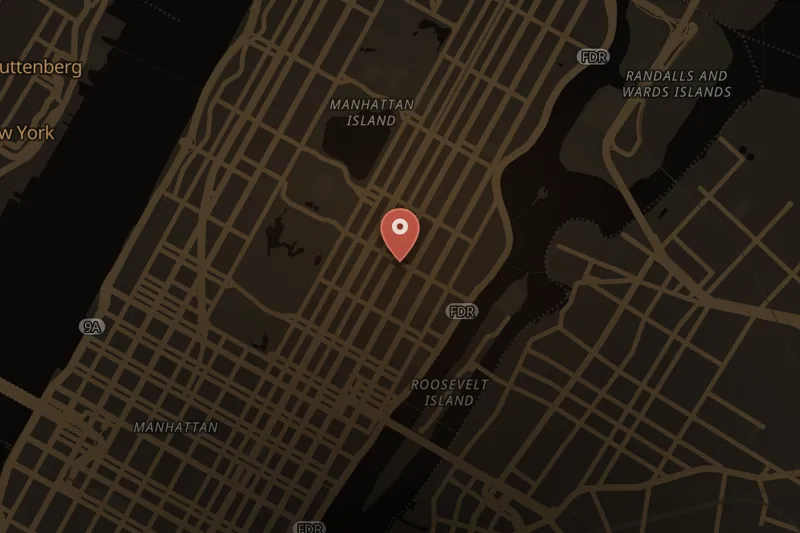
Upper East Side, Manhattan, New York City · 2000s
Kathryn Faughey, a 56-year-old New York City psychologist, was murdered with a meat cleaver in her Upper East Side office on February 12, 2008, by David Tarloff. After two mistrials, Tarloff was convicted of first-degree murder in 2014 and sentenced to life without parole.
 SOLVEDListen
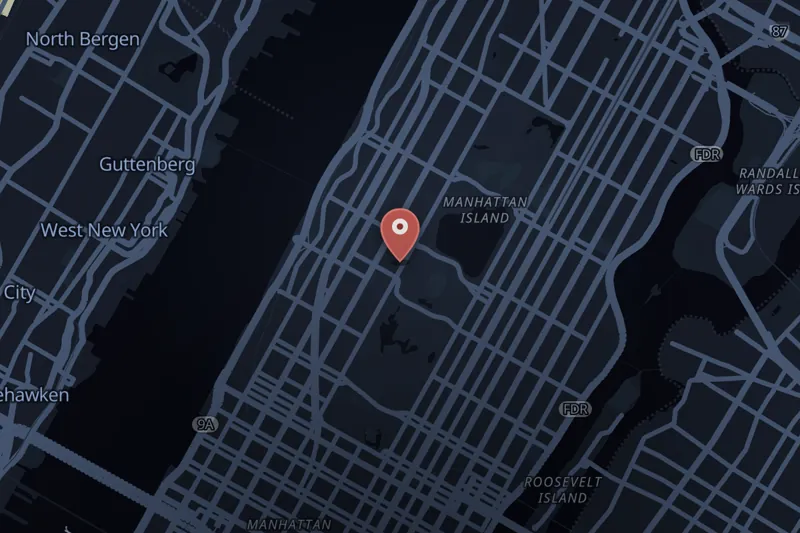
Manhattan, New York City · 2010s
Rock music manager and real estate broker Linda Stein was found dead in her Manhattan apartment on October 30, 2007; a coroner ruled her death a homicide. Her former personal assistant, Natavia Lowery, was arrested days later and ultimately convicted of the killing.
 Credit: Bain News Service, publisherPublic domainSourceSOLVEDListen
1626 Lexington Avenue, New York City · 1910s
On July 4, 1914, a bomb being assembled by anarchist and IWW-linked conspirators exploded prematurely in a Harlem apartment at 1626 Lexington Avenue, New York City, killing three plotters and an uninvolved tenant, and injuring about twenty others.
 Credit: Caras y CaretasPublic domainSourceUNSOLVEDListen
Rural Río Negro Province, Argentina · 1904
Between 1904 and 1909, dozens of immigrant peddlers from the Ottoman Empire vanished in rural Río Negro, Argentina, amid allegations of ritual cannibalism by a Mapuche community; over 70 people were arrested and charged, but the case collapsed after confessions were found to have been extracted through torture, and it remains unsolved.
 Credit: Family/Instagram photograph, widely distributed in press coverageEditorial useSourceSOLVEDListen
Moscow, Idaho · 2022
Four University of Idaho students—Madison Mogen, Kaylee Goncalves, Ethan Chapin, and Xana Kernodle—were fatally stabbed inside an off-campus house in Moscow, Idaho, in the early morning hours of November 13, 2022. Bryan Kohberger, a criminology PhD student at nearby Washington State University, was arrested that December and pleaded guilty in 2025, receiving four consecutive life sentences.
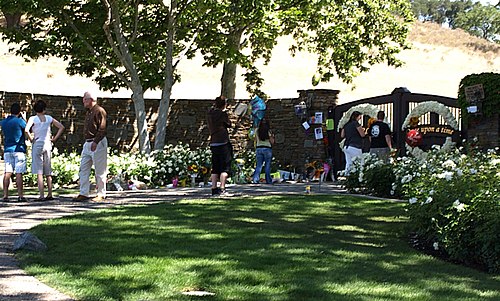 Credit: Mona EshaikerCC BY-SA 3.0SourceSOLVEDListen
Holmby Hills, Los Angeles, California · 2009
Singer Michael Jackson died on June 25, 2009, in Los Angeles from acute propofol intoxication administered by his personal physician, Conrad Murray. The Los Angeles County coroner ruled the death a homicide, and Murray was convicted of involuntary manslaughter in November 2011.
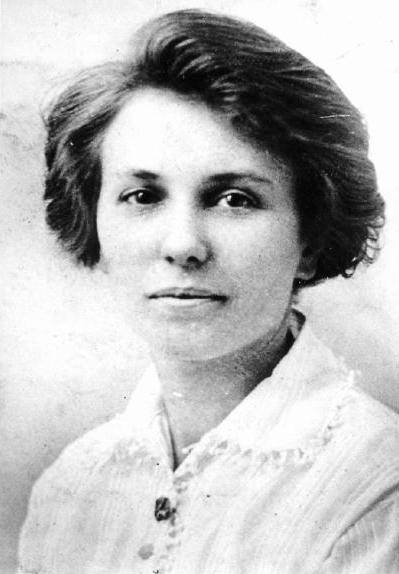 Credit: Wikipedia/Wikimedia Commons (Hall–Mills murder case), c.1920Public domainSourceUNSOLVEDListen
Franklin Township, Somerset County, New Jersey · 1920s
Episcopal priest Edward Wheeler Hall and choir member Eleanor Mills, with whom he was having an affair, were found shot to death in a New Jersey field in September 1922. Hall's wife and her two brothers were tried in 1926 and acquitted; the case remains legally unsolved.
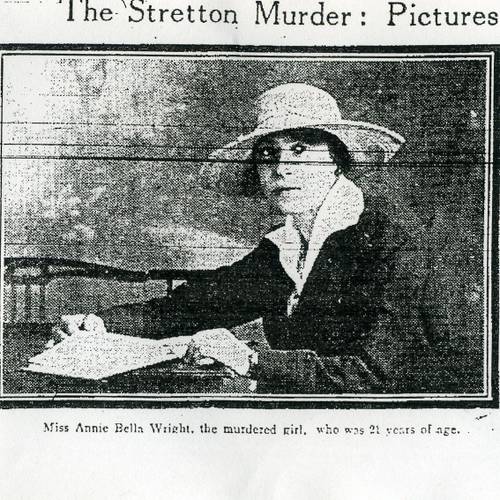 Credit: Contemporary newspaper via Wikipedia (Green Bicycle Case)Public domainSourceSOLVEDListen
Gartree Road, near Little Stretton, Leicestershire, England · 1919
Bella Wright, a 21-year-old factory worker, was shot dead near Little Stretton, Leicestershire, on 5 July 1919 while cycling home. Ronald Light, seen riding with her shortly before her death on a distinctive green bicycle, was tried for her murder in 1920 and acquitted.
Fish Head Beach, Jenner, California · 2004
A young engaged couple, Lindsay Cutshall and Jason Allen, were shot to death while sleeping on a Sonoma County beach in August 2004. The case went unsolved for nearly 13 years until Shaun Gallon confessed following his arrest for another murder; he was convicted and sentenced to life without parole in 2019.
 Credit: English WikipediaEditorial useSourceSOLVEDListen
Washington Township, Macomb County, Michigan · 2007
Tara Lynn Grant, a 34-year-old Michigan mother of two, was strangled by her husband Stephen Grant in February 2007 after an argument; he later dismembered her body, briefly fled, and confessed to police. He was convicted of second-degree murder in December 2007 and sentenced to 50 years in prison.
Clutter family home, Holcomb, Kansas · 1959
In November 1959, four members of the Clutter family were murdered in their rural home near Holcomb, Kansas, in a robbery that yielded almost no money. Two ex-convicts were convicted and executed for the crime, later chronicled in Truman Capote's In Cold Blood.
