
Start here
The murder of Kathryn Faughey [True Crime Documentary]

A documentary-length telling from JustThoughtLounge, 22 min, the fullest on file.
Watch on YouTubeSolved case · 2008
Also known as Killing of Kathryn Faughey · Kathryn Faughey's murder
The short answer
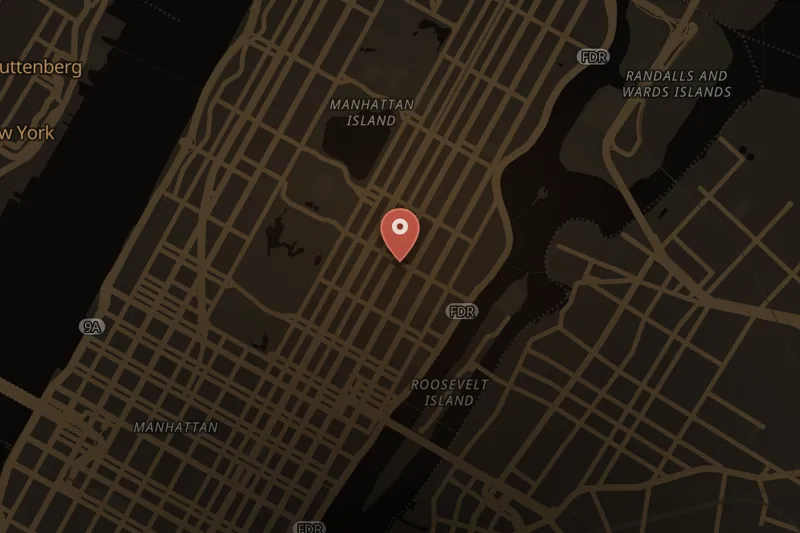
Kathryn Faughey, a 56-year-old New York City psychologist, was murdered with a meat cleaver in her Upper East Side office on February 12, 2008, by David Tarloff. After two mistrials, Tarloff was convicted of first-degree murder in 2014 and sentenced to life without parole.
The murder of Kathryn Faughey [True Crime Documentary]JustThoughtLounge · 22 min1 piece from 1 creator: ranked, with duplicates removed and short clips set aside.
Start here
A documentary-length telling from JustThoughtLounge, 22 min, the fullest on file.
Watch on YouTubeTitles and descriptions are the creators’ own and may not reflect current legal status. The sourced facts are in the file below. Players load only when you press play. Suggest coverage we’re missing.
Kathryn Faughey was a 56-year-old psychologist practicing in an Upper East Side office in New York City. Her attacker, David Tarloff, then 39, had a documented history of disturbing behavior spanning nearly two decades and was well known to psychiatric and medical institutions as well as law enforcement. Over the years leading up to the attack, Tarloff had received a range of psychiatric assessments and treatments, including medication and forced electroshock therapy.
On the night of February 12, 2008, Tarloff entered the building where Faughey's office was located, passing the doorman while rolling a suitcase behind him, an act captured on the building's surveillance video. He told building staff he was there to see Kent Schinbach, a psychiatrist who practiced in the same office suite. While waiting, Tarloff chatted with a patient in the reception area during one of Faughey's evening sessions. Once that session ended and Faughey was alone, Tarloff entered her office and attacked her with a meat cleaver. Schinbach attempted to intervene and help her but was seriously wounded by slashes to his face and neck.
Tarloff was arrested and arraigned for the murder. A psychiatric evaluation found him mentally competent to stand trial. Investigators found evidence that the attack had been premeditated, but that Tarloff's intended target had been Schinbach rather than Faughey. Tarloff told police he had planned to rob Schinbach, whom he remembered from a 1991 diagnosis of schizophrenia that led to his institutionalization. The initial investigation was reportedly delayed by HIPAA patient-confidentiality regulations. Tarloff was held in the psychiatric unit of Bellevue Hospital while awaiting trial, and his attorney indicated an insanity defense would be pursued, stating that while the evidence of Tarloff's actions was clear, the reasoning behind them supported that defense.
Tarloff's first trial was scheduled for October 2010, but a mistrial was declared during jury selection after court-appointed psychiatrists found him mentally unfit to stand trial. A second trial began in March 2013 in the New York State Supreme Court in Manhattan, with jury selection completed March 8 and opening arguments on March 11. Tarloff admitted to committing the killing but argued he should avoid prison due to mental illness. On April 16, 2013, this trial ended in a mistrial after the jury reported a third and final time that it was deadlocked.
A third trial was held in March 2014. On March 28, 2014, following seven hours of jury deliberation, Tarloff was found guilty of first-degree murder for the killing of Kathryn Faughey, along with assault and robbery charges related to the attack on Schinbach. Faughey's family members were present throughout the trial; her brother expressed relief that the ordeal was over and that justice had been served. On May 2, 2014, prior to sentencing, Tarloff apologized to Faughey's family and described suffering from hallucinations for two decades. He was sentenced to the maximum penalty of life without the possibility of parole.
The case prompted public discussion about the safety of mental health professionals who see patients in isolated office settings, drawing comparisons to other incidents involving violence against clinicians.
David Tarloff attacked and killed psychologist Kathryn Faughey with a meat cleaver in her Upper East Side office, and seriously wounded psychiatrist Kent Schinbach who attempted to intervene.
First trial scheduled; mistrial declared during jury selection after court-appointed psychiatrists found Tarloff mentally unfit to stand trial.
Jury selection completed for Tarloff's second trial in New York State Supreme Court, Manhattan.
Opening arguments heard in Tarloff's second trial.
Mistrial declared in second trial after jury reported it was deadlocked for a third time.
Third trial held in New York State Supreme Court, Manhattan.
Tarloff found guilty of first-degree murder of Kathryn Faughey, and of assault and robbery against Kent Schinbach, after seven hours of jury deliberation.
Tarloff sentenced to life without the possibility of parole.
Victims first. Every legal label is set from public records and court outcomes, not from the prose.
56-year-old psychologist murdered in her Upper East Side office on February 12, 2008.[3]
Psychiatrist seriously wounded by slashes to his face and neck while attempting to help Faughey during the attack.[3]
Convicted of first-degree murder of Kathryn Faughey and of assault and robbery against Kent Schinbach on March 28, 2014, following two prior mistrials; sentenced to life without parole.[3]
From the record
Coverage is not a source: every fact in this file rests on the records below.
Are you family of someone named in this file? Corrections and removal requests from victims’ families are prioritized.
 Credit: This file is from the Mechanical Curator collection, a set of over 1 million images…Public domainSourceUNSOLVEDListen
108 East 79th Street, Manhattan, New York City · 1900s
Dorothy Arnold, a 25-year-old New York socialite and aspiring writer, vanished after leaving her Manhattan home to shop on December 12, 1910. Despite an extensive private and police investigation, numerous rumors, and alleged sightings, her fate was never determined.
 SOLVEDListen
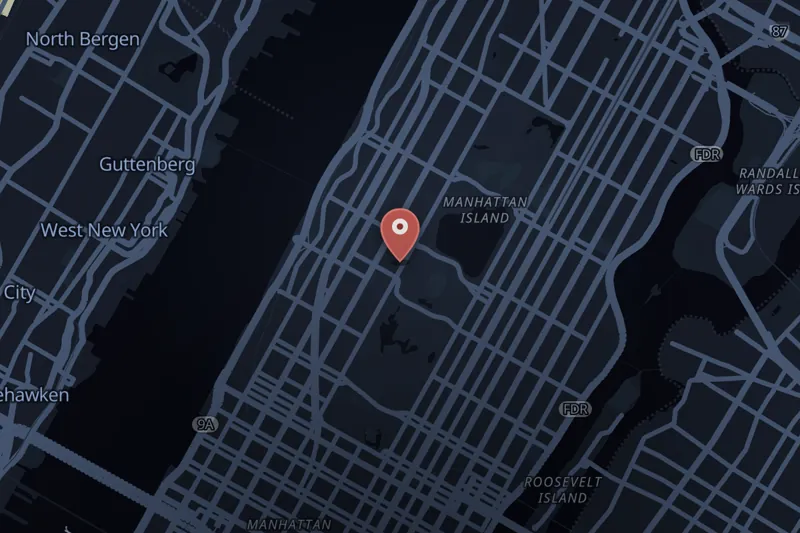
Manhattan, New York City · 2010s
Rock music manager and real estate broker Linda Stein was found dead in her Manhattan apartment on October 30, 2007; a coroner ruled her death a homicide. Her former personal assistant, Natavia Lowery, was arrested days later and ultimately convicted of the killing.
 Credit: Bain News Service, publisherPublic domainSourceSOLVEDListen
1626 Lexington Avenue, New York City · 1910s
On July 4, 1914, a bomb being assembled by anarchist and IWW-linked conspirators exploded prematurely in a Harlem apartment at 1626 Lexington Avenue, New York City, killing three plotters and an uninvolved tenant, and injuring about twenty others.
 Credit: CBS News / Travis Alexander (personal photo)Editorial useSourceSOLVEDListen
Mesa, Arizona, United States · 2000s
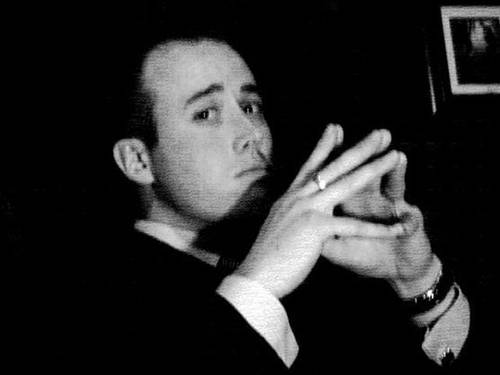
Travis Alexander, 30, was stabbed, slashed, and shot to death in his Mesa, Arizona home on June 4, 2008. His ex-girlfriend, Jodi Arias, was convicted of first-degree murder in 2013 and sentenced to life without parole in 2015 after two juries deadlocked on the death penalty.
 Credit: Prugna at Italian WikipediaCC BY-SA 4.0SourceSOLVEDListen
Via della Pergola 7, Perugia, Italy · 2000s
British exchange student Meredith Kercher was found murdered in her Perugia flat on 2 November 2007. Rudy Guede was convicted of her sexual assault and murder in a fast-track trial. Kercher's roommate Amanda Knox and Knox's boyfriend Raffaele Sollecito were separately convicted, then acquitted, reconvicted, and finally acquitted and declared innocent by Italy's Supreme Court of Cassation in 2015.
 SOLVEDListen
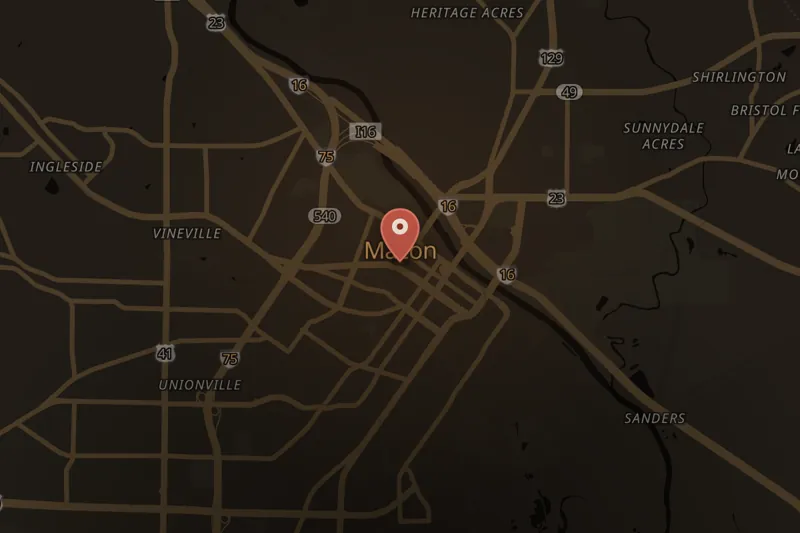
Macon, Georgia, United States · 2011
Lauren Giddings, a recent Mercer University School of Law graduate studying for the bar exam, was strangled and dismembered in Macon, Georgia, in June 2011 by her neighbor and former classmate Stephen Mark McDaniel, who pleaded guilty in 2014.
 SOLVEDListen
Jupiter, Palm Beach County, Florida · 2011
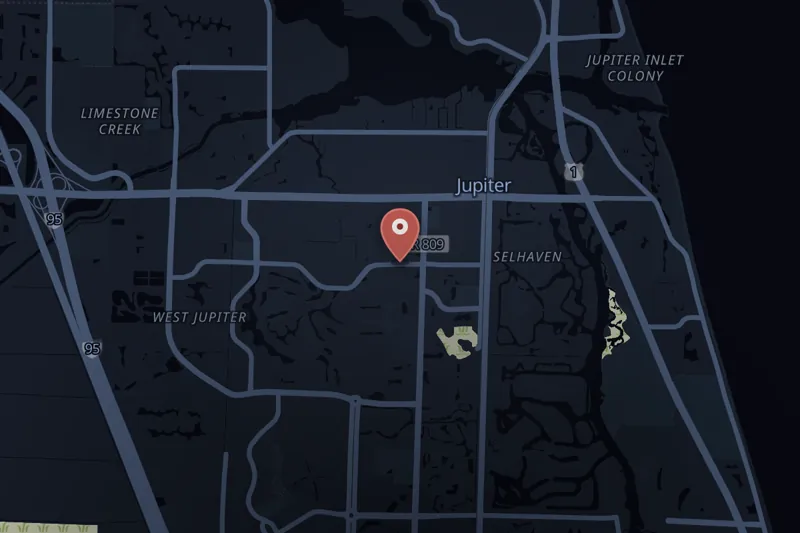
Lanny Horwitz was shot to death in his Florida home, and his former wife was convicted of second-degree murder after a retrial.
 SOLVEDListen
Winona, Minnesota, United States · 2023
Madeline Kingsbury disappeared from Winona in March 2023, and Adam Fravel was convicted of her murder after her body was found near Mabel.
 UNSOLVEDListen
Minot, North Dakota · 2007
Anita Knutson was found fatally stabbed in her Minot apartment in June 2007; her former roommate was acquitted of murder in 2025, and the killing remains unsolved.
SOLVEDListenManhattan, New York City · 2010
Rock music manager and real estate broker Linda Stein was found dead in her Manhattan apartment on October 30, 2007; a coroner ruled her death a homicide. Her former personal assistant, Natavia Lowery, was arrested days later and ultimately convicted of the killing.
 SOLVEDListen
Athol, Idaho · 2021
Kendy Howard, 48, died at her Athol, Idaho home in 2021; her husband Daniel Howard was convicted of second-degree murder and domestic battery in 2024 and is serving active sentences in Idaho custody.