Richard Colvin Cox was born July 25, 1928, in Mansfield, Ohio, the youngest of six children of Rupert and Minnie Cox. After his father's death, his mother ran the family insurance agency. Cox graduated from Mansfield Senior High School in 1946, was active in student leadership and organizations, and worked through his teens. He volunteered for the U.S. Army, served with the United States Constabulary in occupied Germany, and reached the rank of sergeant before receiving an appointment to West Point. He entered the U.S. Military Academy Preparatory School in January 1948 and West Point proper in May 1948, performing well academically and in extracurricular activities. He was engaged to Betty Timmons.
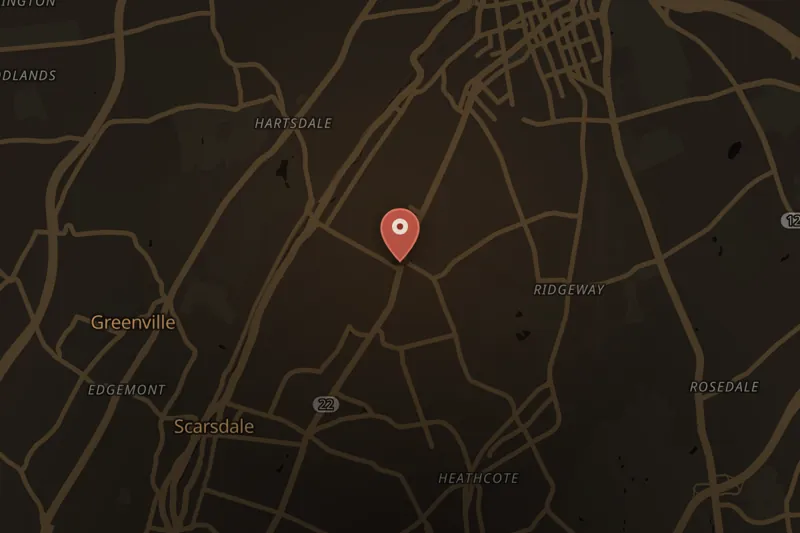
In the week before his disappearance, a man identifying himself as "George" — who said he had known Cox in Germany — telephoned and visited Cox at West Point on at least three occasions between January 7 and January 14, 1950. Witnesses gave differing physical descriptions of the visitor across the visits. Cox told roommates the man had served with him in Germany and told disturbing stories about wartime conduct. On January 7, Cox and the man signed out to have dinner but instead drank whiskey in the man's parked car; Cox later altered a time entry in the company departure book, a fact not discovered until a 1952 CID laboratory examination. On January 14, 1950, after attending a basketball game, Cox was seen with a man believed to be "George," signed out again, and left the academy grounds with him. Neither was seen again on campus.
When Cox failed to return, New York State Police, the U.S. Army Criminal Investigation Command, and the FBI investigated. Search efforts included aerial and ground searches, dragging a reservoir, and draining a pond, but produced no significant leads. Investigators searched Army records for men matching "George's" description without success, and ruled out desertion in part because Cox left behind money and civilian clothing. Based on unsupported speculation from a West Point psychologist, the FBI investigated whether Cox was gay, including visits to gay bars with his roommates; this yielded no results, and people who knew Cox disputed the theory. Cox was declared AWOL in March 1950 and later legally dead in 1957.
Reported subsequent sightings included a 1950 account from Mansfield resident Ursula Margaret Unterwagner, disclosed publicly only after her death in 2020; a 1952 encounter described by former prep-school classmate Ernest Shotwell; and a 1960 report from an FBI informant describing a man calling himself "R. C. Mansfield" in Melbourne, Florida.
Beginning in 1985, retired teacher Marshall Jacobs conducted an independent decade-long investigation, drawing on interviews, FOIA-released files, and earlier newspaper reporting by Jim Underwood of the Mansfield News Journal (1982). Jacobs's findings, published in Harry J. Maihafer's 1996 book Oblivion, proposed that David M. Westervelt, a soldier who had served with Cox in Germany, was "George," possibly recruiting Cox for intelligence work. An unnamed retired CIA official reportedly told Jacobs that Cox joined a Cold War "stay-behind" operation and later retired to Idaho. None of these theories has been confirmed, and Cox's disappearance remains unresolved.


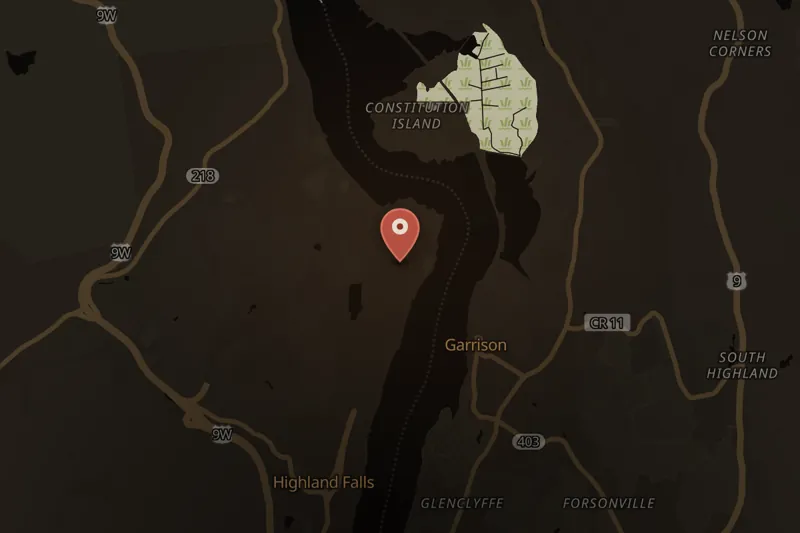
 Image recordEditorial useSourceSOLVEDListen