In the early-morning hours of July 7, 1977, Richard Herrin, a Yale graduate, killed his ex-girlfriend Bonnie Garland, a Yale college senior, in her parents' home in Scarsdale, New York. Garland was 20 years old. Herrin and Garland had dated for approximately two years while both attended Yale. After Herrin graduated and moved to Texas for a graduate program, the couple grew apart over the following year, and Garland told him she wanted to date other people. Concerned about the state of the relationship, Herrin arranged, with Garland's knowledge, to travel to Scarsdale to discuss it. Garland's parents, unaware of any trouble between the two, allowed him to stay in a guest room at the opposite end of their home.
On July 6, 1977, Garland told Herrin she wanted to end the relationship, and he was expected to leave the next day. During the early hours of July 7, Herrin took a hammer from a kitchen cabinet, wrapped it in a towel to conceal it, and carried it up three flights of stairs to Garland's bedroom. According to testimony, he first entered the room without the hammer to confirm she was asleep, then retrieved the hammer from the hallway and returned to attack her, striking her skull and larynx.
After the attack, Herrin stole the Garland family car and drove for hours, at one point smashing the vehicle's rearview mirror and using the broken glass to harm himself. He ran out of gas in Coxsackie, New York, roughly 100 miles north of Scarsdale, where he went to a church and told a priest what he had done. Bonnie Garland was in fact still alive, though critically injured. The priest contacted Scarsdale police, who went to the Garland home, found Bonnie severely injured, and she was declared dead later that evening at 10:38 p.m.
Herrin was arrested and charged. Members of the clergy at Yale's Catholic chaplaincy organized a campaign to secure his release on bail, raising funds and writing character letters to the trial judge, who then released Herrin into the custody of the Christian Brothers in Albany. While awaiting trial, Herrin attended classes at the State University of New York under an alias. The case, presided over by Judge Richard J. Daronco at the Westchester County Courthouse in White Plains, drew heavy media attention. Herrin was convicted of first-degree manslaughter rather than second-degree murder and received the maximum sentence permitted under that charge. He served 17 years at Wende Correctional Facility in Alden, New York, and was released on January 12, 1995.
Herrin, born to an Irish father and Mexican mother in a minority community in Los Angeles, was widely assumed to have been admitted to Yale through affirmative action, leading media to label the trial the "affirmative action murder trial." Critics argued the outcome reflected efforts by the Yale community and Catholic chaplaincy to portray Herrin as a product of his upbringing. After his release, Herrin relocated to Socorro, New Mexico, where he was hired by a mental health foundation. The case is noted as the last murder in Scarsdale until the 2016 killing of pediatric doctor Robin Goldman.

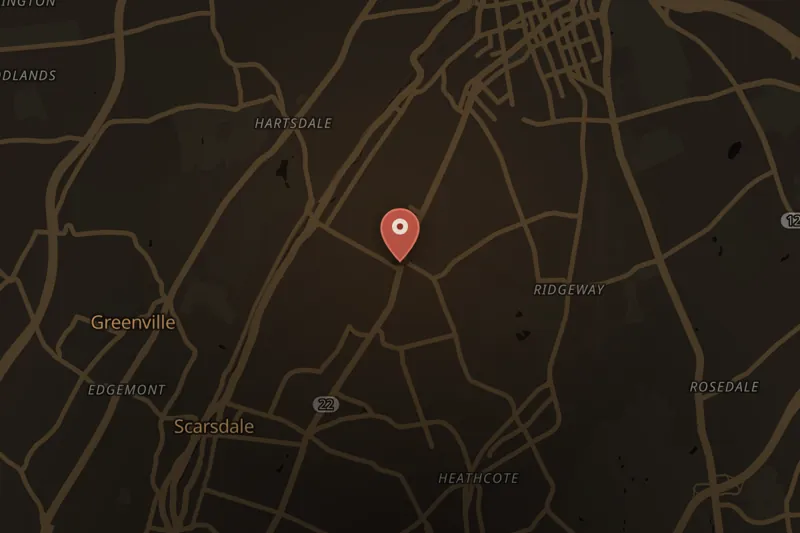
 Image recordEditorial useSourceSOLVEDListen