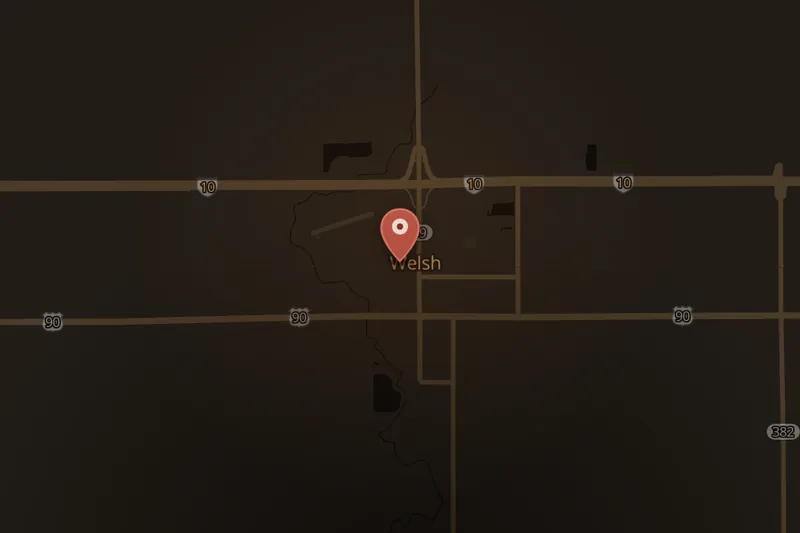
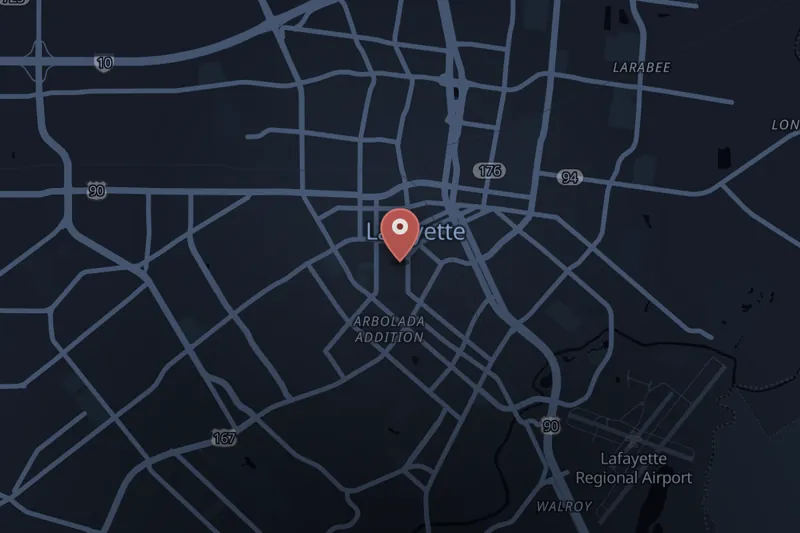
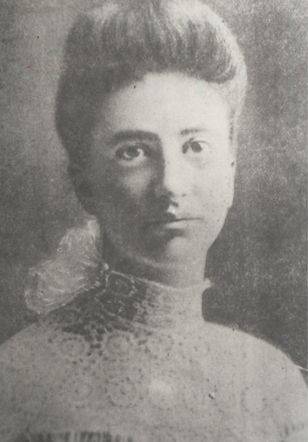
On February 14, 1902, six members of the Earll family — L.S. Earll, Mrs. Earll, and their children Ward, John, Lemuel, and Fay — were found dead in a cabin near Welsh, Louisiana. All victims had been shot or bludgeoned and had their throats cut, with cloth wrapped around the wounds; the bodies showed significant decomposition, indicating they had been dead for several days before discovery. Two family members, Fred and Maude Earll, survived because they were not present.
The Earll family had relocated from Iowa to Louisiana around 1890 to farm rice, later opening a store in Welsh before returning to farming around 1900. Albert Edwin "Ed" Batson, a itinerant farm worker born in Spickard, Missouri, had come to Welsh in 1901 and was employed by Ward Earll, living alongside him in a homesteader's cottage. Ward Earll was last seen alive on February 11, 1902.
Following the murders, a man later identified by witnesses as Batson traveled to Lake Charles attempting to sell Ward Earll's livestock and pawning his shotgun and watch, using aliases including "C.R. Batson" and identifying himself as "A.E. Batson." He mailed a package containing only rice to his mother in Missouri. Suspicions arose among Earll acquaintances, prompting Maude Earll to check on her family, leading to the discovery of the bodies. A letter signed by Batson, ending "ha ha bye bye I'm gone" — dubbed the "Ha-Ha letter" — was found in Ward Earll's buggy. Batson was arrested in Princeton, Missouri, the same day the bodies were found and was returned to Louisiana to face charges.
At trial, presided over by Judge E.D. Miller, defense attorneys Paul Sompayrac and Winston Overton argued Batson had no motive and pointed to two unidentified strangers seen in the area as possible perpetrators. Prosecutor Joseph Moore argued Batson killed the family, sold their mules, and fled to Missouri. Batson was convicted and sentenced to death in April 1902, but the Louisiana Supreme Court ordered a new trial on a technicality. A second trial in March 1903 again resulted in conviction and a death sentence, followed by a series of procedural suspensions and re-sentencings, resulting in four total death sentences. Throughout, Batson maintained his innocence and did not testify. Louisiana's State Pardon Board sought commutation of his sentence, but Governor William Wright Heard declined to intervene after Judge Miller refused a request to discuss the case. Batson was hanged at the Lake Charles jail on August 15, 1903.
The case became a cause célèbre in Louisiana, with contemporaries divided over Batson's guilt. Associated Press reporter Charles Dobson published a book in 1903 arguing two unidentified men were responsible. The case later inspired the folk/blues murder ballad "Batson," most famously recorded by Wilson Jones ("Stavin' Chain") in 1934 and transcribed in the Lomaxes' 1941 book "Our Singing Country." In 2014, a book titled "Until You Are Dead, Dead, Dead: The Hanging of Albert Edwin Batson" revisited the case and raised further questions about the certainty of Batson's guilt.

Key facts
- Victims
- L.S. Earll, Fay Earll, Ward Earll, Lemuel Earll, John Earll, Mrs. Earll
- Date
- 1902
- Location
- Near Welsh, Louisiana
- Case status
- solved
Case timeline
1890
The Earll family moves from Iowa to Louisiana to farm rice.
1901
Albert Edwin Batson arrives in Welsh, Louisiana, and is hired by Ward Earll to work on the family rice farm.
1902-02-11
Ward Earll is last seen alive.
1902-02-14
Six members of the Earll family are found dead in a cabin near Welsh, Louisiana.
1902-02-14
Albert Edwin Batson is arrested in Princeton, Missouri, the same day the bodies are discovered.
1902-04
Batson is found guilty and sentenced to death for the first time.
1903-03
Batson is found guilty a second time, following a retrial ordered by the Louisiana Supreme Court, and again sentenced to death.
1903-08-15
Batson is executed by hanging at the Lake Charles jail.
1934
Blues musician Wilson Jones ('Stavin' Chain') records the murder ballad 'Batson,' inspired by the case.
1941
A transcription of the 'Batson' ballad is published in John and Alan Lomax's book Our Singing Country.
2014
A book titled 'Until You Are Dead, Dead, Dead: The Hanging of Albert Edwin Batson' is published, questioning the certainty of Batson's guilt.
Best coverage
No approved coverage links are attached yet.
People
Albert Edwin Batson
CONVICTEDItinerant farm worker convicted twice and sentenced to death four times for the Earll family murders; executed by hanging on August 15, 1903.
L.S. Earll
VICTIMHead of the Earll family, killed in the February 1902 murders.
Fay Earll
VICTIMDaughter of L.S. and Mrs. Earll, aged 15, killed in the February 1902 murders.
Ward Earll
VICTIMSon of L.S. and Mrs. Earll, employer of Albert Batson, killed in the February 1902 murders.
Lemuel Earll
VICTIMSon of L.S. and Mrs. Earll, aged 11, killed in the February 1902 murders.
John Earll
VICTIMSon of L.S. and Mrs. Earll, killed in the February 1902 murders.
Mrs. Earll
VICTIMWife of L.S. Earll, killed in the February 1902 murders.
Roles reflect public records and court outcomes at the time of writing — supporting citations are on file under Sources.
Archival records

archival location
Lake Charles courthouse postcard
Credit: Unknown authorUnknown author · Public domain · Source

unclassified
Albert Edwin Batson
Credit: Unknown authorUnknown author, originally published in the New Orleans Daily Picayune, August 15, 1903. · Public domain · Source

newspaper
Batson case sheriffs
Credit: Unknown, published in the newspaper Picayune in 1903. · Public domain · Source

unclassified
Albert Edwin Batson, 1902
Credit: Unknown. · Public domain · Source

newspaper
Albert Batson, from the Picayune
Credit: Unknown, published in the newspaper Picayune in 1903. · Public domain · Source

archival location
Lake Charles courthouse
Credit: Unknown authorUnknown author · Public domain · Source

archival location
Ryan Street, Lake Charles, 1900s
Credit: Unknown authorUnknown author · Public domain · Source

archival location
Ryan Street's business district, Lake Charles, c. 1902
Credit: Unknown authorUnknown author · Public domain · Source
Places
Common questions
- What happened to the victim?
- On February 14, 1902, six members of the Earll family were found dead in a cabin near Welsh, Louisiana, killed by gunshot, blunt force, and cut throats. Farm worker Albert Edwin Batson was convicted of the killings after two trials and executed in 1903, though doubts about his guilt persisted then and later.
- Where did the murders happen?
- Near Welsh, Louisiana.
- Who was convicted?
- Albert Edwin Batson (Itinerant farm worker convicted twice and sentenced to death four times for the Earll family murders; executed by hanging on August 15, 1903.).
- What is the current status of the case?
- Status: solved. Last verified July 2026.
Sources
- ENCYCLOPEDICEarll family murdersWikipedia · 2026-07-07
- OFFICIAL / AGENCYContemporaneous coverage — blogs.loc.govblogs.loc.gov · 2026-07-07
- PRESSContemporaneous coverage — search.worldcat.orgsearch.worldcat.org · 2026-07-07
Record history
- First published
- JUL 07, 2026
- Last verified against sources
- JUL 07, 2026