Casepin
Back to cases

Case file

February 28 Incident

SOLVED1945Taiwan (island-wide, originating in Taipei)4 SOURCESUPDATED JUL 2026
Illustrative

The February 28 incident was an anti-government uprising in Taiwan in 1947 that was violently suppressed by the Kuomintang (KMT)–led Nationalist government of the Republic of China (ROC), directed by provincial governor Chen Yi and President Chiang Kai-shek. Thousands of civilians were killed beginning on February 28, 1947, and the event is considered one of the most important in Taiwan's modern history, later serving as a critical impetus for the Taiwan independence movement.

Following Japan's surrender at the end of World War II, the Allies transferred administrative control of Taiwan to China in 1945, ending 50 years of Japanese colonial rule. Local residents grew resentful of the KMT administration's high-handed and often corrupt conduct, including arbitrary seizure of private property, economic mismanagement, and exclusion of Taiwanese from political participation. Economic conditions deteriorated sharply, with rice prices rising to 400 times their original value by January 1947.

The immediate flashpoint occurred on February 27, 1947, in Taipei, when agents of the State Monopoly Bureau confiscated contraband cigarettes from a Taiwanese widow, Lin Jiang-mai, and struck her with a gun. As a crowd gathered in protest, an agent fired into the crowd, fatally wounding a bystander. The next day, soldiers fired on demonstrators outside the Governor-General's Office, killing at least three people. Protesters seized a radio station and broadcast news of the incident across the island, triggering uprisings throughout Taiwan. Local settlement committees formed and presented the government with 32 demands for reform, including greater autonomy and an end to corruption. During the unrest, over 1,000 mainlanders were reportedly killed by Taiwanese civilians in initial spontaneous violence.

Governor Chen Yi stalled while awaiting military reinforcements from Fujian province. When ROC troops arrived on March 8, 1947, they launched a crackdown described by an American source cited in contemporaneous reporting as involving indiscriminate killing and arrest over several days. By the end of March, Chen Yi had ordered the imprisonment or execution of identified Taiwanese organizers; a Taiwanese delegation in Nanjing reported that his troops executed between roughly 3,000 and 4,000 people, though the precise toll remains undetermined due to missing KMT records. A government commission established in 1992 later estimated a broader death toll of 18,000 to 28,000, a figure that has since been challenged by various individuals, including former Premier Hau Pei-tsun.

The incident was followed two years later by 38 years of martial law, known as the White Terror, during which the incident was considered too taboo to discuss publicly. President Lee Teng-hui became the first president to publicly discuss the incident, on its anniversary in 1995, and formally apologized on behalf of the government. February 28 is now an official public holiday, Peace Memorial Day, and memorials including the National 228 Memorial Museum have been established. In 2019, Taiwan's Transitional Justice Commission exonerated those convicted in the aftermath. Chen Yi himself was later executed in 1950 after being convicted of espionage following an attempted defection to the Chinese Communist Party.

Key facts

Victims
Lin Jiang-mai
Date
1945
Location
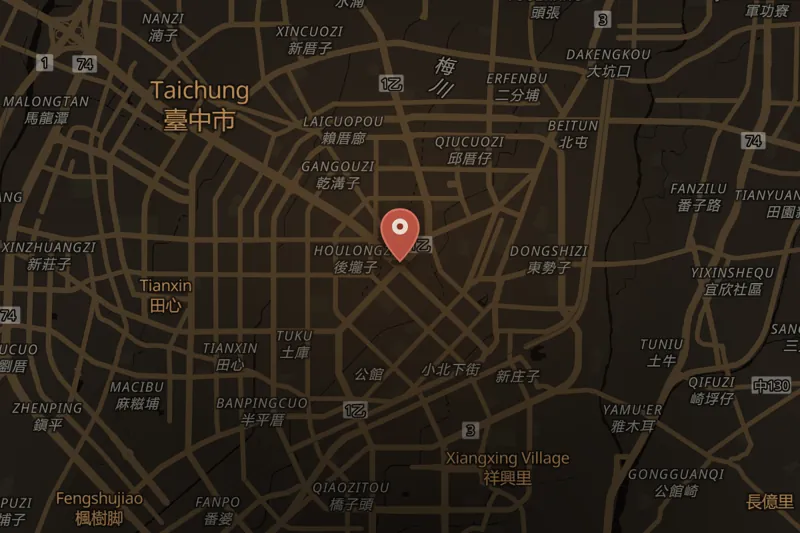
Taiwan (island-wide, originating in Taipei)
Case status
solved

Case timeline

  1. 1945-10

    Chen Yi arrives as governor-general and receives Japan's surrender of Taiwan, proclaiming Retrocession Day.

  2. 1947-01

    Rice prices reach roughly 400 times their pre-handover value amid economic mismanagement.

  3. 1947-02-27

    Tobacco Monopoly Bureau agents confiscate contraband cigarettes from widow Lin Jiang-mai in Taipei and strike her; an agent fires into the resulting crowd, fatally wounding a bystander.

  4. 1947-02-28

    Soldiers fire on demonstrators outside the Governor-General's Office, killing at least three; protesters seize a radio station and broadcast news of the incident island-wide.

  5. 1947-03-04

    Taiwanese civilians take over administration of the town and military bases in Taipei.

  6. 1947-03-08

    ROC reinforcements from Fujian arrive and launch a crackdown involving reported indiscriminate killing and arrests over several days.

  7. 1947-03

    By the end of March, Chen Yi orders imprisonment or execution of identified Taiwanese organizers; a Taiwanese delegation reports 3,000–4,000 executed.

  8. 1950-06-18

    Chen Yi is executed at Machangding, Taipei, after being convicted of espionage by a Taiwan military court.

  9. 1992

    A government commission established under Premier Hau Pei-tsun begins work that later produces the widely cited 18,000–28,000 death-toll estimate.

  10. 1995

    President Lee Teng-hui becomes the first president to publicly discuss the incident, on its anniversary, and formally apologizes on behalf of the government.

  11. 1997-02-28

    The National 228 Memorial Museum opens.

  12. 2004-02-28

    Thousands participate in the 228 Hand-in-Hand Rally, forming a human chain across Taiwan.

  13. 2006

    The Research Report on Responsibility for the 228 Massacre is released, naming Chiang Kai-shek as bearing the largest responsibility.

  14. 2019

    Taiwan's Transitional Justice Commission exonerates those convicted in the aftermath of the incident.

Best coverage

No approved coverage links are attached yet.

People

  • Chen Yi

    CONVICTED

    Provincial governor-general who directed the suppression of the uprising; later convicted of espionage by a Taiwan military court and executed in 1950 (unrelated to the 228 incident directly, but the only figure formally convicted per source).

  • Lin Jiang-mai

    VICTIM

    Taiwanese widow struck by a Tobacco Monopoly Bureau agent on February 27, 1947, an incident that sparked the uprising.

Roles reflect public records and court outcomes at the time of writing — supporting citations are on file under Sources.

Places

Common questions

What happened to the victim?
In 1947, Taiwan's Kuomintang-led Nationalist government, under governor Chen Yi and President Chiang Kai-shek, violently suppressed an island-wide anti-government uprising sparked by a cigarette-smuggling enforcement incident in Taipei, killing thousands of civilians and initiating decades of political repression known as the White Terror.
Where did the crime happen?
Taiwan (island-wide, originating in Taipei).
Who was convicted?
Chen Yi (Provincial governor-general who directed the suppression of the uprising; later convicted of espionage by a Taiwan military court and executed in 1950 (unrelated to the 228 incident directly, but the only figure formally convicted per source).).
What is the current status of the case?
Status: solved.

Sources

  1. PRESSThe 228 Incident228 Memorial Foundation · 2026-07-11
  2. ENCYCLOPEDICFebruary 28 incidentWikipedia · 2026-07-10
  3. PRESSContemporaneous coverage — The Horror of 2-28: Taiwan Rips Open the PastThe New York Times · 2026-07-10
  4. PRESSContemporaneous coverage — Taiwan president says should remember good things Japan didReuters · 2026-07-10