On January 6, 2017, at approximately 12:53 p.m. EST, a mass shooting occurred at Fort Lauderdale–Hollywood International Airport in Broward County, Florida. The shooter, who had flown in from Alaska via Minneapolis, retrieved a legally checked Walther PPS 9mm semi-automatic pistol from baggage claim in Terminal 2, loaded it in an airport bathroom, and opened fire on people in the baggage claim area. The attack lasted 70 to 80 seconds, during which he fired his weapon 15 times. Five people were killed and six others were injured by gunfire; approximately 36 additional people were injured amid the resulting panic. All five people killed were reportedly passing through the airport to begin cruises with their spouses.
A Broward County Sheriff's Office deputy who was nearby ran toward the sound of gunfire and apprehended the shooter within 85 seconds of the first shots. The deputy was later named Deputy of the Year by the Florida Sheriffs Association. A subsequent review by a Special Master found that other responding officers acted in a manner described as "textbook" and concluded the shooting "was not preventable by Sheriff Israel or anyone else." No law enforcement officers fired their weapons during the incident.
In the aftermath, the FAA issued a ground stop, closing the airport to non-emergency flights for the remainder of the day; it reopened to commercial traffic the next morning. Roughly 10,000 passengers were bussed to Port Everglades for assistance from the American Red Cross, and more than 20,000 pieces of luggage were left behind. President Obama was briefed on the shooting, and President-elect Trump publicly commented that he was monitoring the situation. Florida Governor Rick Scott ordered flags to be flown at half-mast. Broward County Sheriff Scott Israel publicly called for a reinstated assault weapons ban and questioned firearm access for people with mental illness.
The shooter was arrested at the scene and charged the following day with federal offenses including performing an act of violence at an international airport and causing death through use of a firearm during a crime of violence. He was indicted on 22 federal charges on January 26, 2017, and pleaded not guilty on January 30, 2017. After his arrest he was diagnosed with schizophrenia and schizoaffective disorder; after initial refusal, he began taking psychotropic medication and was later deemed competent to stand trial. Investigators found no confirmed motive and no substantiated link to terrorism, despite the shooter's own statements during interviews referencing "government mind control," "hearing voices," and prior participation in online forums.
On May 23, 2018, he pleaded guilty as part of an agreement with federal prosecutors that avoided the death penalty. On August 17, 2018, he was sentenced to five consecutive life sentences plus 120 years in prison. He was subsequently transferred between several federal facilities, most recently to USP Tucson in June 2021.


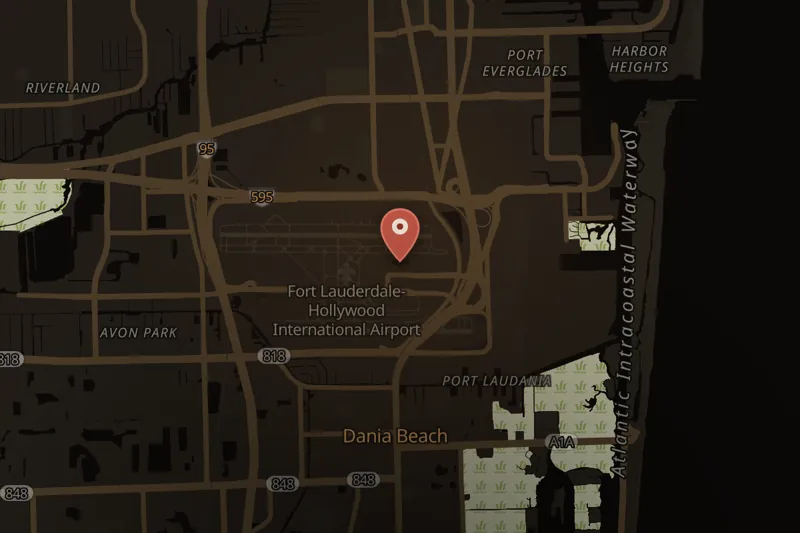
 Image recordCC BY-SA 4.0SourceCOLDListen