On 30 August 1943, the exclusively Polish settlement of Gaj (comprising Nowy Gaj and Stary Gaj) in the Kowel County of the Wołyń Voivodeship, Second Polish Republic, was attacked by a death squad of the Ukrainian Insurgent Army (UPA), aided by local Ukrainian peasants. The attack was part of the wider, province-wide massacres of Poles in Volhynia and Eastern Galicia carried out by OUN-UPA during 1943. About 600 Polish civilians were killed, including a large number of children, and the colony — founded by Polish settlers in the 1920s — was burned to the ground and no longer exists.
The same UPA unit had murdered 40 Poles in the nearby town of Mielnica the day before, on 29 August 1943. That night, the unit relocated to the Ukrainian village of Janówka, where a large group of peasants was assembled for the raid on Gaj. The attackers entered the colony at dawn on 30 August, while many residents were still asleep. A Ukrainian sotnia commanded by a figure known as "Wowka" (Wolf) rounded up Polish residents and marched them to the local school building. Many victims were killed on their farms, along roads, or in nearby bushes while attempting to flee; most, however, were killed inside the school using automatic weapons and farm tools, with bodies thrown into an adjacent ditch. Of the roughly 600 killed, about 200 have been identified by name. In addition to the killings, 150 farms were robbed and set on fire, along with the local Catholic church.
Several days after the massacre, a Polish self-defence unit arrived in Gaj from the nearby town of Rożyszcze. They found ditches and cellars filled with bodies, and murder weapons — axes, pitchforks, hoes, saws, and bars — covered in blood scattered nearby. The self-defence unit identified and executed several Ukrainian residents believed to have collaborated in the massacre and burned a number of Ukrainian houses in reprisal. They then evacuated the few Polish survivors to Rożyszcze.
In 2013, archaeologists discovered one of the mass graves at the site of the former village, uncovering the remains of 80 people, most of whom were children. Other mass graves from the massacre are reported to have been destroyed in the postwar years, including during the construction of a local landfill.
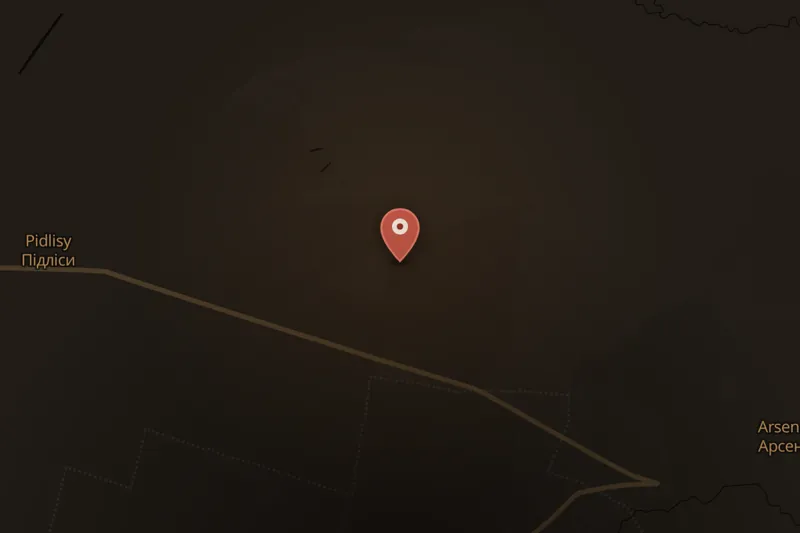
The Gaj colony was located in what was then Kowel County of the Wołyń Voivodeship in the Second Polish Republic; the area is now part of the Kovel Raion in Ukraine, southeast of the city of Kovel.


 Credit: PrymasalCC BY-SA 4.0SourceSOLVEDListen


