Casepin
Back to cases

Active case

Killing of George Duncan

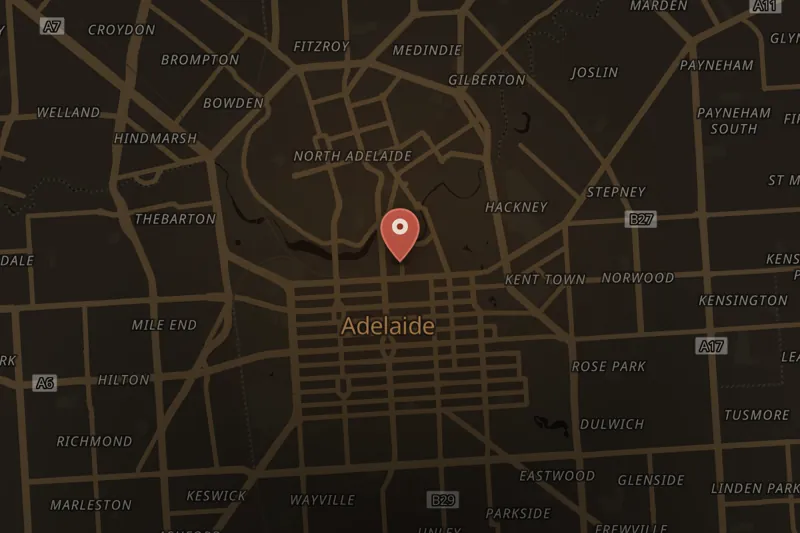
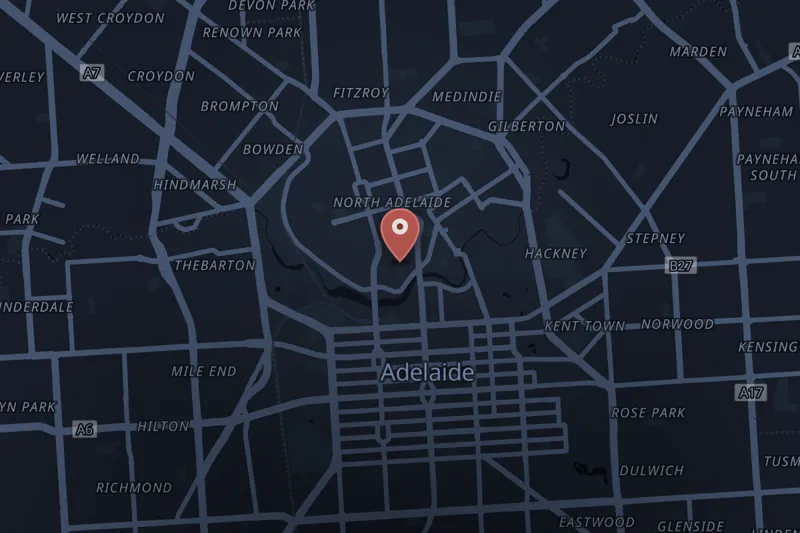
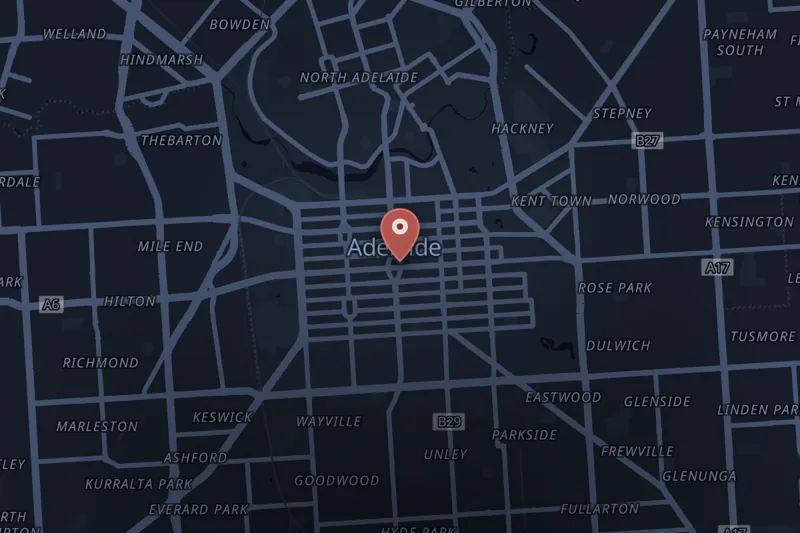
COLD1972River Torrens near Kintore Avenue, Adelaide, South Australia3 SOURCESUPDATED JUL 2026

Documents violence · ongoing investigation — written to inform, not to shock.

Illustrative

George Ian Ogilvie Duncan (born 20 July 1930 in Golders Green, London) was a law lecturer who had recently arrived in Adelaide to take up a position at the University of Adelaide, moving into Lincoln College in North Adelaide in March 1972. About six weeks after his arrival, on the night of 10 May 1972, Duncan was thrown from the southern bank of the River Torrens near Kintore Avenue by a group of men. Unable to swim, he drowned. The riverbank, known as "Number 1 beat," was at the time a popular meeting place for gay and bisexual men, since homosexuality remained illegal in South Australia.

That same night, another man, Roger James, and an unidentified third man were also thrown into the river in separate incidents. James suffered a broken ankle, crawled to the road, and was taken to hospital by a passing driver, Bevan Spencer von Einem, who was later convicted of an unrelated child murder. Witnesses reportedly feared for their safety and declined to identify the attackers, prompting Premier Don Dunstan to offer government protection to anyone who came forward. Within days, suspicion fell on three senior vice squad police officers, reportedly accompanied by an unidentified civilian.

Amid intense public debate, Dunstan authorized Police Commissioner Harold Salisbury to bring in detectives from New Scotland Yard. Their report, compiled by Detective Chief Superintendent Bob McGowan and not made public until it was tabled in the South Australian parliament in 2002, found that vice squad officers Francis John Cawley, Michael Kenneth Clayton, and Brian Edwin Hudson had taken part in the assaults, but concluded there was insufficient evidence to prosecute. The officers refused to answer questions at the coronial inquiry, were suspended, and later resigned. The coroner returned an open finding on 5 July 1972, and the Crown Solicitor announced on 24 October 1972 that no prosecution would proceed.

The case resurfaced in 1985 when former vice squad officer Mick O'Shea told The Advertiser that vice squad members were responsible and that a cover-up had taken place. On 5 February 1986, Cawley, Clayton, and Hudson were charged with manslaughter. Cawley and Clayton stood trial in 1988 and were acquitted on 30 September after declining to testify. A 1988 police statement from witness Julian Clarke described seeing a group of men throw two men into the river after hearing screaming, and being assaulted himself; he later told writer Ivan Felisatti that he saw three police officers attack Duncan. A subsequent police task force reported to parliament in 1990 that there remained insufficient evidence to charge anyone with murder.

In August 2015, on the 40th anniversary of South Australia's decriminalisation of homosexuality, Police Commissioner Grant Stevens confirmed the case remained open and that a A$200,000 reward was on offer for information leading to a conviction. Public outrage over Duncan's death is credited with driving South Australia's 1975 decriminalisation of homosexuality, the first such reform in Australia, and Duncan has since been commemorated through memorials, a scholarship, an award, and artistic works. <parameter name="timeline">[{"date": "1930-07-20", "event": "George Ian Ogilvie Duncan born at Golders Green, London, England."}, {"date": "1972-03-25", "event": "Duncan returns to Australia to take up a law lectureship at the University of Adelaide, moving into Lincoln College."}, {"date": "1972-05-10", "event": "Duncan is thrown into the River Torrens near Kintore Avenue and drowns; Roger James and a third unidentified man are also thrown into the river in separate incidents that night."}, {"date": "1972-07-05", "event": "Coroner returns an open finding into Duncan's death."}, {"date": "1972-10-24", "event": "Crown Solicitor announces no prosecution will proceed."}, {"date": "1972-07-26", "event": "Murray Hill introduces a bill to amend the Criminal Law Consolidation Act regarding homosexuality."}, {"date": "1972-11-09", "event": "Amendment to the Criminal Law Consolidation Act is assented to."}, {"date": "1985-07-30", "event": "Former vice squad officer Mick O'Shea tells The Advertiser that vice squad officers were responsible for Duncan's death and that there was a cover-up."}, {"date": "1986-02-05", "event": "Cawley, Clayton and Hudson are charged with the manslaughter of Duncan."}, {"date": "1988", "event": "Julian Clarke gives a police statement describing witnessing the attack at the River Torrens beat in 1972."}, {"date": "1988-09-30", "event": "Cawley and Clayton are acquitted of manslaughter after refusing to testify at trial."}, {"date": "1990", "event": "A police task force reports to the South Australian parliament that there is insufficient evidence to charge anyone with murder."}, {"date": "2002-05-10", "event": "A memorial monument is erected near the site of the murder on the 30th anniversary of Duncan's death; Radio Adelaide broadcasts documentary The Killing of Dr George."}, {"date": "2002", "event": "The New Scotland Yard investigation report is tabled in the South Australian parliament."}, {"date": "2015-08", "event": "SAPOL Police Commissioner Grant Stevens publicly states the case remains open and a A$200,000 reward is on offer."}, {"date": "2022-05-10", "event": "50th anniversary memorial event held near the site of Duncan's death, and the Pride Walk in Light Square is unveiled."}]

Key facts

Victims
George Duncan, Roger James
Date
1972
Location
River Torrens near Kintore Avenue, Adelaide, South Australia
Case status
cold

Case timeline

No timeline entries are attached yet.

Best coverage

No approved coverage links are attached yet.

People

  • Francis John Cawley

    ACQUITTED

    Former vice squad officer charged in 1986 with the manslaughter of Duncan; acquitted at trial in 1988.

    citation on file

  • George Duncan

    VICTIM

    Law lecturer at the University of Adelaide who drowned after being thrown into the River Torrens on 10 May 1972.

    citation on file

  • Roger James

    VICTIM

    Thrown into the River Torrens the same night as Duncan; suffered a broken ankle and survived.

    citation on file

  • Brian Edwin Hudson

    CHARGED

    Former vice squad officer charged in 1986 with the manslaughter of Duncan; named in the New Scotland Yard report as having taken part in the assaults.

    citation on file

  • Michael Kenneth Clayton

    ACQUITTED

    Former vice squad officer charged in 1986 with the manslaughter of Duncan; acquitted at trial in 1988.

    citation on file

Places

Common questions

What happened to the victim?
George Duncan, a law lecturer at the University of Adelaide, drowned on 10 May 1972 after being thrown into the River Torrens by a group of men believed to be police officers at a known gay beat. Two former vice squad officers were later tried for manslaughter and acquitted; no one has ever been convicted, and the case remains open.
Where did the killing happen?
River Torrens near Kintore Avenue, Adelaide, South Australia.
What is the current status of the case?
Status: cold. Last verified July 2026.

Sources

  1. George Duncan (lecturer)wikipedia · Wikipedia · 2026-07-05
  2. Contemporaneous coverage — ABC News (Australia)news · ABC News (Australia) · 2026-07-05
  3. Contemporaneous coverage — samemory.sa.gov.aunews · samemory.sa.gov.au · 2026-07-05

Last verified JUL 2026