Casepin
Back to cases

Case file

Grand Mosque seizure

SOLVED1979Grand Mosque, Mecca, Saudi Arabia3 SOURCESUPDATED JUL 2026
Smoke rising from the Grand Mosque, Mecca, 1979
Smoke rising from the Grand Mosque, Mecca, 1979 — Credit: Not cited. · Public domain

On 20 November 1979, the last day of the Islamic year 1399, a group of several hundred armed militants seized the Grand Mosque in Mecca, Saudi Arabia, during dawn prayers attended by an estimated 50,000 worshippers. The insurgents, who called themselves "al-Ikhwan," were led by Juhayman al-Otaybi, a former National Guard corporal and preacher opposed to the House of Saud. They killed two policemen armed only with clubs, chained the mosque gates shut, and took hostages, later releasing most while retaining some in the sanctuary. The militants took up defensive and sniper positions in the mosque's upper levels and minarets. An employee of the Saudi Binladin Group, then renovating the mosque, managed to alert the outside world before insurgents cut telephone lines.

The group's stated goals centered on opposing Saudi ties to Western powers and secularizing policies, and on the announcement that Muhammad Abdullah al-Qahtani, one of the militants' leaders, was the Mahdi, a redeemer figure expected before Judgment Day. Initial attempts by roughly 100 Ministry of Interior officers to retake the mosque failed with heavy casualties, prompting deployment of the Saudi Arabian Army and National Guard. King Khalid delegated command to Prince Sultan and Prince Nayef, as Crown Prince Fahd and National Guard commander Prince Abdullah were abroad. France sent GIGN operatives to advise Saudi forces, and Pakistani Special Service Group personnel also assisted; accounts differ on whether French commandos entered the mosque directly or solely provided training and planning. Saudi forces used tear gas and, according to one account, drilled holes into the courtyard to drop grenades into underground chambers before militants were forced into the open. The siege lasted more than two weeks, with the mosque secured by 4 December 1979. Officially reported casualties were 255 pilgrims, troops and militants killed and around 560 injured, though diplomats suggested the toll was higher; a Wikipedia figure states 270 died in total, with military casualties of 127 dead and 451 injured.

Al-Qahtani was killed during the retaking of the mosque. Juhayman al-Otaybi and 67 other surviving militants were captured and subsequently sentenced to death by a Saudi religious council on charges including violating the mosque's sanctity and killing fellow Muslims. On 9 January 1980, 63 of the condemned were publicly beheaded across eight Saudi cities.

The event occurred amid the Islamic Revolution in Iran and prompted regional unrest after Ayatollah Khomeini publicly suggested, without evidence, that the United States and Israel were behind the seizure. This contributed to anti-American riots in several Muslim-majority countries, including the burning of the U.S. embassy in Islamabad, Pakistan, and an attack on the U.S. embassy in Tripoli, Libya. In the aftermath, King Khalid granted increased authority to Saudi religious scholars, leading to stricter enforcement of Islamic law, restrictions on media depictions of women, closures of cinemas and music shops, and expanded powers for religious police.

Key facts

Victims
On file
Date
1979
Location
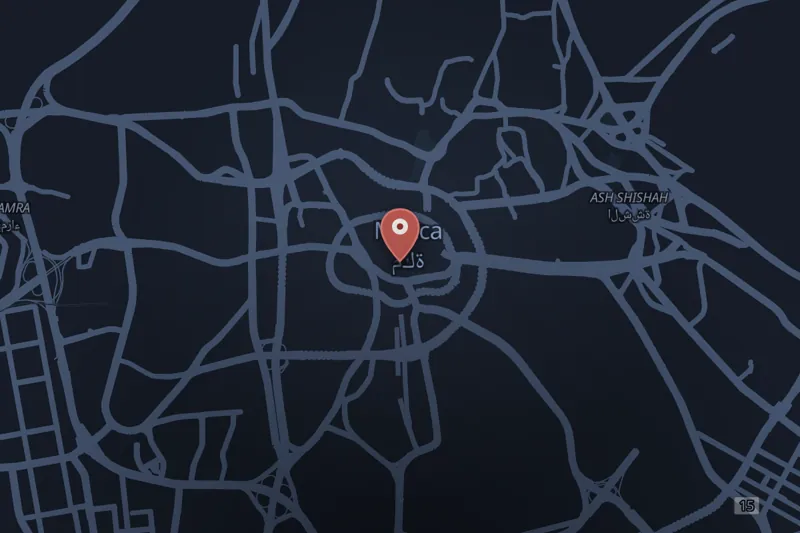
Grand Mosque, Mecca, Saudi Arabia
Case status
solved

Case timeline

  1. 1978

    Al-Otaybi, al-Qahtani, and other Ikhwan members were detained by Saudi security police for questioning on heresy allegations, then released.

  2. 1979-11-20

    Militants led by Juhayman al-Otaybi seized the Grand Mosque in Mecca during dawn prayers, killing two policemen and taking hostages.

  3. 1979-11-25

    The Arab Socialist Action Party – Arabian Peninsula issued a statement in Beirut regarding the insurgents' demands, while denying involvement in the seizure.

  4. 1979-12-01

    A US embassy cable reported that several militant leaders had escaped the siege and sporadic fighting had erupted elsewhere in Mecca.

  5. 1979-12-04

    Saudi forces secured the Grand Mosque after more than two weeks of fighting, ending the siege.

  6. 1980-01-09

    63 captured rebels were publicly beheaded in squares across eight Saudi cities.

Best coverage

No approved coverage links are attached yet.

People

  • Juhayman al-Otaybi

    CONVICTED

    Leader of the militant group that seized the Grand Mosque; captured alive and later sentenced to death and executed by beheading.

  • Muhammad Abdullah al-Qahtani

    CONVICTED

    Declared the Mahdi by the militant group; killed by Saudi forces during the recapture of the mosque (posthumously named among those found guilty by religious council).

Roles reflect public records and court outcomes at the time of writing — supporting citations are on file under Sources.

Archival records

  • Grand Mosque Seizure insurgents,1979

    other document

    Grand Mosque Seizure insurgents,1979

    Credit: Not cited. · Public domain · Source

  • Officers Juhayman al-Otaibi-1

    other document

    Officers Juhayman al-Otaibi-1

    Credit: وكالات الانباء السعودية (واس) - spa · Public domain · Source

  • Saudi soldiers, Mecca, 1979

    other document

    Saudi soldiers, Mecca, 1979

    Credit: Not cited. · Public domain · Source

  • Smoke rising from the Grand Mosque, Mecca, 1979

    archival location

    Smoke rising from the Grand Mosque, Mecca, 1979

    Credit: Not cited. · Public domain · Source

  • Smoke rising from the Grand Mosque, Mecca, 1979 (1to1)

    unclassified

    Smoke rising from the Grand Mosque, Mecca, 1979 (1to1)

    Credit: Not cited. · Public domain · Source

  • Juhayman al-Otaibi

    mugshot

    Juhayman al-Otaibi

    Credit: وكالات الانباء السعودية (واس) - spa · Public domain · Source

Places

Common questions

What happened to the victim?
In November–December 1979, up to 600 militants led by Juhayman al-Otaybi seized the Grand Mosque in Mecca, taking hostages and declaring one of their leaders the Mahdi. Saudi forces, aided by French and Pakistani advisors, retook the mosque after a two-week siege; 270 people died and 68 militants were later executed.
Where did the crime happen?
Grand Mosque, Mecca, Saudi Arabia.
Who was convicted?
Juhayman al-Otaybi (Leader of the militant group that seized the Grand Mosque; captured alive and later sentenced to death and executed by beheading.) and Muhammad Abdullah al-Qahtani (Declared the Mahdi by the militant group; killed by Saudi forces during the recapture of the mosque (posthumously named among those found guilty by religious council).).
What is the current status of the case?
Status: solved. Last verified July 2026.

Sources

  1. ENCYCLOPEDICGrand Mosque seizureWikipedia · 2026-07-07
  2. PRESSContemporaneous coverage — news.com.aunews.com.au · 2026-07-07
  3. PRESSKhomeini Accuses U.S. and Israel of Attempt to Take Over MosquesThe New York Times · 2026-07-07

Record history

First published
JUL 07, 2026
Last verified against sources
JUL 07, 2026