On November 4, 1979, members of the Muslim Student Followers of the Imam's Line stormed and occupied the U.S. Embassy in Tehran, taking 66 Americans hostage. The action followed months of upheaval after the Iranian Revolution and was fueled by anger over the Carter administration's decision to admit the exiled Shah, Mohammad Reza Pahlavi, into the United States for cancer treatment. The hostage-takers, who received the public backing of Ayatollah Ruhollah Khomeini, demanded the Shah be extradited to Iran to stand trial. Six American diplomats evaded capture and hid in the homes of Canadian diplomats before being smuggled out of the country on January 28, 1980, in the covert operation known as the "Canadian Caper."
Of the original 66 hostages, 13 women and African American staff were released in November 1979, and one more hostage, Richard Queen, was freed in July 1980 after developing what was later diagnosed as multiple sclerosis. The remaining 52 hostages were held for the duration of the crisis. According to accounts compiled in the Wikipedia article, hostages reported beatings, theft, prolonged solitary confinement, being bound for extended periods, mock executions, and threats of violence against themselves and their families. Some hostages attempted escape or self-harm during their captivity, and living conditions shifted over time as hostages were moved among the Foreign Ministry, various prisons, and finally the Teymur Bakhtiar mansion in Tehran.
President Jimmy Carter responded with economic pressure, ending oil imports from Iran and freezing an estimated $8 billion in Iranian assets in the United States. A military rescue attempt, Operation Eagle Claw, was launched on April 24, 1980, but failed in the Iranian desert after mechanical and weather-related problems; eight U.S. servicemen were killed in an accident during the operation's abort phase, and one Iranian civilian also died. The failure led to the resignation of Secretary of State Cyrus Vance and further damaged Carter's political standing ahead of the 1980 presidential election, which he lost.
The crisis was ultimately resolved through Algerian mediation. In late 1980, the Iranian parliament set conditions for release, including the unfreezing of Iranian assets, and negotiations culminated in the Algiers Accords. The 52 remaining hostages were released on January 20, 1981, minutes after Ronald Reagan's presidential inauguration, ending 444 days of captivity. The Shah had died in Cairo, Egypt, on July 27, 1980, before the crisis concluded. The events significantly damaged U.S.-Iran relations for decades and, within Iran, strengthened Khomeini's political authority and that of theocratic factions opposed to normalizing relations with the West.

Key facts
- Victims
- Michael Metrinko, Kathryn Koob, Charles A. Jones, Jr., Bruce Laingen, William Quarles, Kenneth Kraus, William Belk, Richard Queen, Steve Lauterbach, Mike Howland, Charles W. Scott, Kathy Gross, Jerry Miele, Victor L. Tomseth, Donald Hohman
- Date
- 1979
- Location
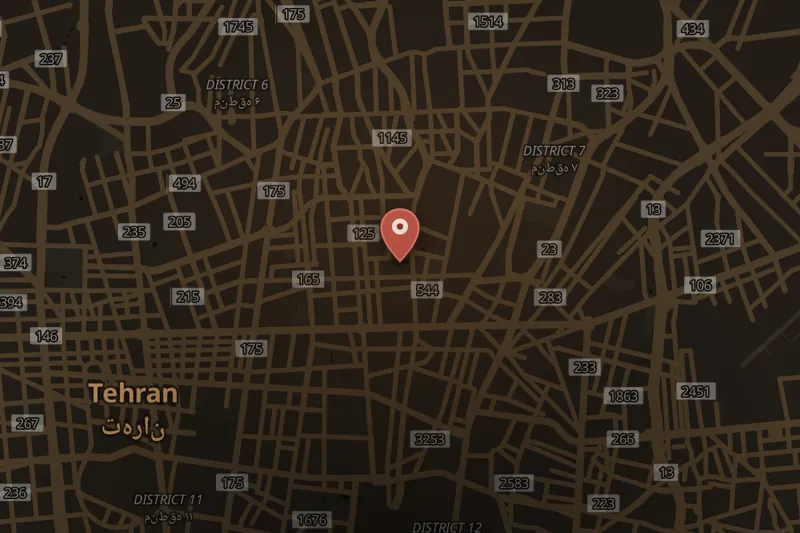
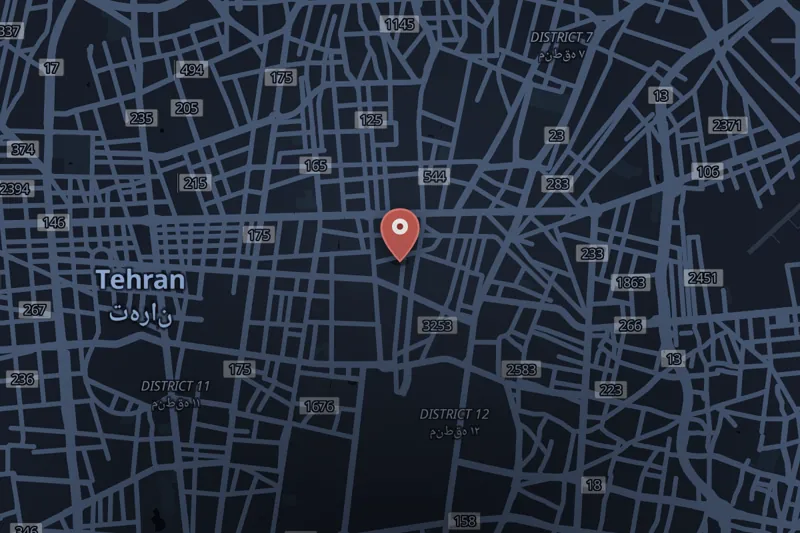
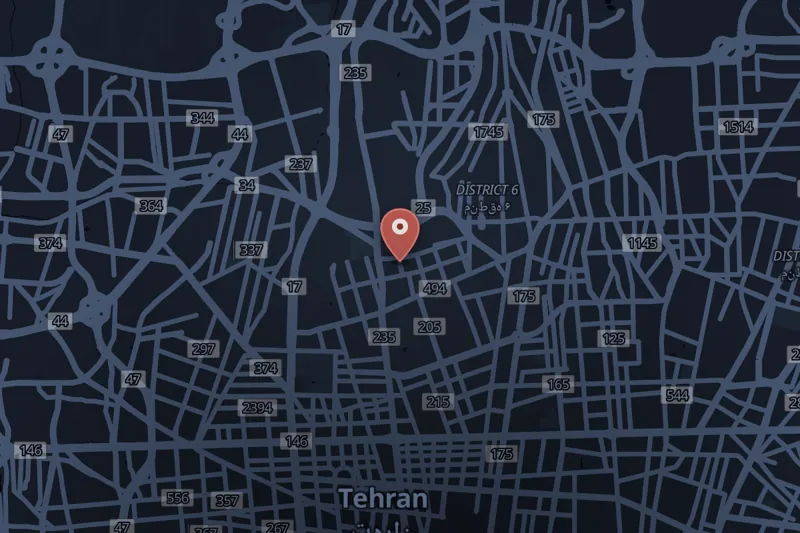
- U.S. Embassy, Tehran, Iran
- Case status
- solved
Case timeline
1979-02
Iranian Revolution culminates with the return of Ayatollah Khomeini from exile; the U.S. Embassy is briefly occupied in an earlier incident.
1979-10-22
The United States admits the exiled Shah, Mohammad Reza Pahlavi, for medical treatment, intensifying anti-American sentiment in Iran.
1979-11-04
Muslim Student Followers of the Imam's Line storm the U.S. Embassy in Tehran and take 66 Americans hostage.
1979-11-12
United States ends oil imports from Iran.
1979-11-14
President Carter issues Executive Order 12170 freezing approximately $8 billion in Iranian assets in the U.S.
1979-11-19
Hostage-takers release one woman and two African American hostages.
1979-11-20
Four more women and six African American hostages are released.
1979-11-21
The U.S. Embassy in Islamabad, Pakistan, is attacked and burned by rioters inspired by the Tehran crisis; four embassy personnel and two rioters die.
1980-01-28
Six American diplomats who evaded capture are smuggled out of Iran via the Canadian Caper.
1980-04-24
Operation Eagle Claw, a U.S. military rescue attempt, fails in the Iranian desert; eight U.S. servicemen and one Iranian civilian are killed.
1980-04-25
President Carter publicly explains the failed rescue mission and accepts responsibility.
1980-07
Hostage Richard Queen is released after being diagnosed with a serious illness later identified as multiple sclerosis.
1980-07-27
The Shah, Mohammad Reza Pahlavi, dies in Cairo, Egypt.
1980-10-29
An aircraft for the planned second rescue attempt, Operation Credible Sport, crashes during a demonstration at Eglin Air Force Base; all aboard survive.
1980-11-02
The Iranian parliament votes on conditions for releasing the hostages, delivered to the U.S. via Algerian mediation.
1981-01-20
The remaining 52 hostages are released following the signing of the Algiers Accords, minutes after Ronald Reagan's presidential inauguration, ending 444 days of captivity.
Best coverage
No approved coverage links are attached yet.
People
Michael Metrinko
VICTIMHostage held in solitary confinement and reportedly beaten after expressing opinions of Khomeini.
Kathryn Koob
VICTIMHostage reportedly paraded blindfolded before a crowd outside the embassy.
Charles A. Jones, Jr.
VICTIMAfrican American hostage who was not released with the initial November 1979 group.
Bruce Laingen
VICTIMU.S. diplomat held hostage; one of three officials held at the Iranian Foreign Ministry.
William Quarles
VICTIMHostage released in November 1979 among the first group freed.
John Sheardown
LAW ENFORCEMENTCanadian diplomat who sheltered American diplomats evading capture.
Kenneth Kraus
VICTIMU.S. Marine taken hostage and injured during the earlier February 1979 embassy incident; released after intervention by U.S. officials.
William Belk
VICTIMHostage reportedly paraded blindfolded before a crowd outside the embassy.
Richard Queen
VICTIMHostage released in July 1980 after developing symptoms later diagnosed as multiple sclerosis.
Steve Lauterbach
VICTIMHostage who attempted suicide during captivity by slashing his wrists.
Mike Howland
VICTIMU.S. official held hostage at the Iranian Foreign Ministry.
Jimmy Carter
LAW ENFORCEMENTU.S. President who directed the government response, including sanctions and the authorized rescue mission.
Charles W. Scott
VICTIMHostage whose mail was reportedly withheld by guards.
Ken Taylor
LAW ENFORCEMENTCanadian ambassador who sheltered American diplomats and helped orchestrate the Canadian Caper.
Kathy Gross
VICTIMHostage released in November 1979 among the first group freed.
Jerry Miele
VICTIMCIA communications technician held hostage who attempted self-harm during captivity.
Victor L. Tomseth
VICTIMU.S. diplomat held hostage at the Iranian Foreign Ministry.
Donald Hohman
VICTIMU.S. Army medic held hostage who went on a hunger strike.
Charles Alvin Beckwith
LAW ENFORCEMENTU.S. Army colonel who commanded Operation Eagle Claw and recommended its abort.
Cyrus Vance
LAW ENFORCEMENTU.S. Secretary of State who resigned in protest after the failed rescue operation was authorized.
Roles reflect public records and court outcomes at the time of writing — supporting citations are on file under Sources.
Archival records
archival location
DF-SC-82-06566 Bush hostages Iran
Credit: Photographer's Name: Templeton · Public domain · Source

archival location
DF-SN-82-06759
Credit: Johnson Babela · Public domain · Source

archival location
Former US Embassy in Tehran, now museum (42387693352)
Credit: Ninara from Helsinki, Finland · CC BY 2.0 · Source

archival location
Heckler2
Credit: Leffler, Warren K., photographer. Work for hire for US News and World Report.[1] · Public domain · Source

other document
Iran hostages 1, State 1981-02- Iss 231 (IA sim state-magazine 1981-02 231) (page 11 crop)
Credit: Internet Archive identifier: sim_state-magazine_1981-02_231 https://archive.org/download/sim_state-magazine_1981-02_231/sim_state-magazine_1981-02_231.pdf IA contributor: Internet Archive IA digitizing sponsor: Kahle/Austin Foundation · Public domain · Source

other document
Iran hostages 2, State 1981-02- Iss 231 (IA sim state-magazine 1981-02 231) (page 12 crop)
Credit: Internet Archive identifier: sim_state-magazine_1981-02_231 https://archive.org/download/sim_state-magazine_1981-02_231/sim_state-magazine_1981-02_231.pdf IA contributor: Internet Archive IA digitizing sponsor: Kahle/Austin Foundation · Public domain · Source

other document
Iran hostages 3, State 1981-02- Iss 231 (IA sim state-magazine 1981-02 231) (page 13 crop)
Credit: Internet Archive identifier: sim_state-magazine_1981-02_231 https://archive.org/download/sim_state-magazine_1981-02_231/sim_state-magazine_1981-02_231.pdf IA contributor: Internet Archive IA digitizing sponsor: Kahle/Austin Foundation · Public domain · Source

other document
Iran hostages 4, State 1981-02- Iss 231 (IA sim state-magazine 1981-02 231) (page 14 crop)
Credit: Internet Archive identifier: sim_state-magazine_1981-02_231 https://archive.org/download/sim_state-magazine_1981-02_231/sim_state-magazine_1981-02_231.pdf IA contributor: Internet Archive IA digitizing sponsor: Kahle/Austin Foundation · Public domain · Source

other document
Iran hostages 5, State 1981-02- Iss 231 (IA sim state-magazine 1981-02 231) (page 15 crop)
Credit: Internet Archive identifier: sim_state-magazine_1981-02_231 https://archive.org/download/sim_state-magazine_1981-02_231/sim_state-magazine_1981-02_231.pdf IA contributor: Internet Archive IA digitizing sponsor: Kahle/Austin Foundation · Public domain · Source

other document
Iran hostages 6, State 1981-02- Iss 231 (IA sim state-magazine 1981-02 231) (page 16 crop)
Credit: Internet Archive identifier: sim_state-magazine_1981-02_231 https://archive.org/download/sim_state-magazine_1981-02_231/sim_state-magazine_1981-02_231.pdf IA contributor: Internet Archive IA digitizing sponsor: Kahle/Austin Foundation · Public domain · Source

archival location
Iran hostages return
Credit: Don Koralewski · Public domain · Source

newspaper
Revolutionary occupation of U.S. embassy Title of Islamic Republican newspaper in November 5, 1979
Credit: Unknown authorUnknown author · Public domain · Source
Places
Common questions
- What happened to the victim?
- In November 1979, Iranian students seized the U.S. Embassy in Tehran and held American diplomats and staff hostage for 444 days, demanding the return of the exiled Shah, in a crisis that reshaped U.S.-Iran relations and U.S. domestic politics.
- Where did the crime happen?
- U.S. Embassy, Tehran, Iran.
- What is the current status of the case?
- Status: solved. Last verified July 2026.
Sources
- Iran hostage crisiswikipedia · Wikipedia · 2026-07-07
- Contemporaneous coverage — The New York Timesnews · The New York Times · 2026-07-07
- Contemporaneous coverage — discovery.nationalarchives.gov.uknews · discovery.nationalarchives.gov.uk · 2026-07-07
Last verified JUL 2026