Case file
1975 AIA Building hostage crisis

On 4 August 1975, five members of the Japanese Red Army (JRA), a communist militant organisation, stormed the AIA (American Insurance Associates) Building on Jalan Ampang in Kuala Lumpur, Malaysia. The building housed the United States and Swedish embassies. The attackers took approximately 53 embassy employees hostage, gathering them on Level 9 of the building. Hostages included United States Consul Robert C. Stebbins, Swedish embassy officer Fredrik Bergenstråhle, Swedish embassy secretary Ulla Odqvist, and several members of the Lancaster family holding American and Australian citizenship.
The JRA demanded the release of several imprisoned leaders and threatened to kill all hostages if the demand was not met. Malaysian Prime Minister Tun Abdul Razak's government responded, with Inspector General of Police Mohammed Hanif Omar taking command of rescue operations. A Special Action Unit strike team led by DSP Mohd Zaman Khan prepared a rescue attempt but aborted it once negotiations began. Minister of Communications Manivasagam initially attempted to negotiate with the JRA but was unsuccessful; he was replaced by Home Affairs Minister Ghazali Shafie, who led negotiations from early in the crisis through its conclusion. Ghazali Shafie later persuaded Libyan leader Muammar Gaddafi to accept the hostage-takers and freed prisoners into Libya, and separately persuaded Sri Lankan Prime Minister Sirimavo Bandaranaike, despite her reluctance, to allow the aircraft carrying the group to refuel in Colombo.
The Japanese government eventually agreed to release five JRA members from custody. They were flown to Kuala Lumpur aboard a Japan Airlines DC-8. To guarantee safe conduct, Malaysian Deputy Transport Minister Dato' Ramli Omar and Home Ministry secretary-general Tan Sri Osman Samsuddin Cassim were handed over as substitute hostages. The hostage-takers, the newly freed prisoners, and the two Malaysian officials then departed on the DC-8, stopping in Colombo before arriving at Tripoli Airport, Libya, on 8 August 1975, where they were sheltered by the Gaddafi government. Samsuddin Cassim and Ramli Omar returned to Malaysia unharmed on 10 August 1975.
Among those freed was Kunio Bandō, previously jailed for his role in the Asama-Sansō incident. Bandō was later believed to have assisted in the 1977 hijacking of Japan Airlines Flight 472, and as of available reporting remained at large, reportedly having spent time in Russia, China, the Philippines, and Japan between 1997 and 2007. The US embassy in Kuala Lumpur was later relocated in the 1990s. In 2009, Sweden's King Carl XVI Gustaf awarded the Royal Order of the Polar Star to Tan Sri Samsudin Osman Kassim in recognition of his role during the crisis, presented by the Swedish ambassador to Malaysia.

Key facts
- Victims
- Trudy Lancaster, Gerald Lancaster, Ulla Odqvist, Robert C. Stebbins, Rodney Lancaster, Adrian Lancaster, Vick Lancaster, Fredrik Bergenstråhle
- Date
- 1975
- Location
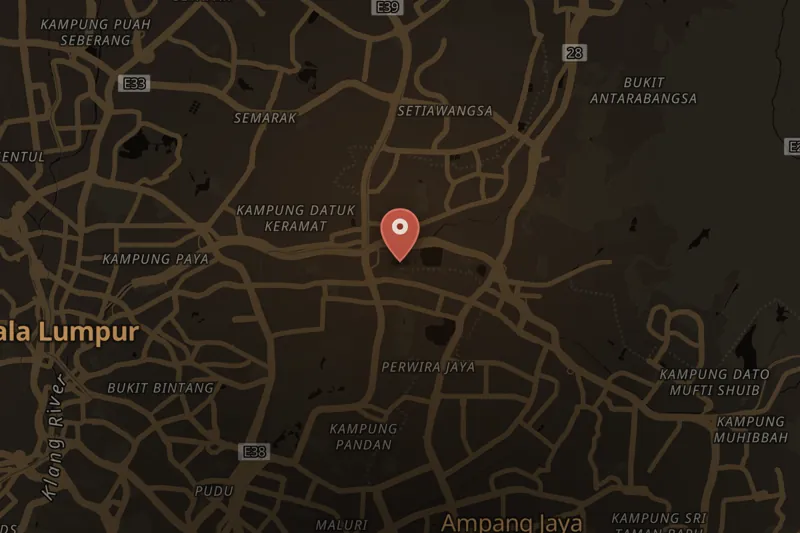
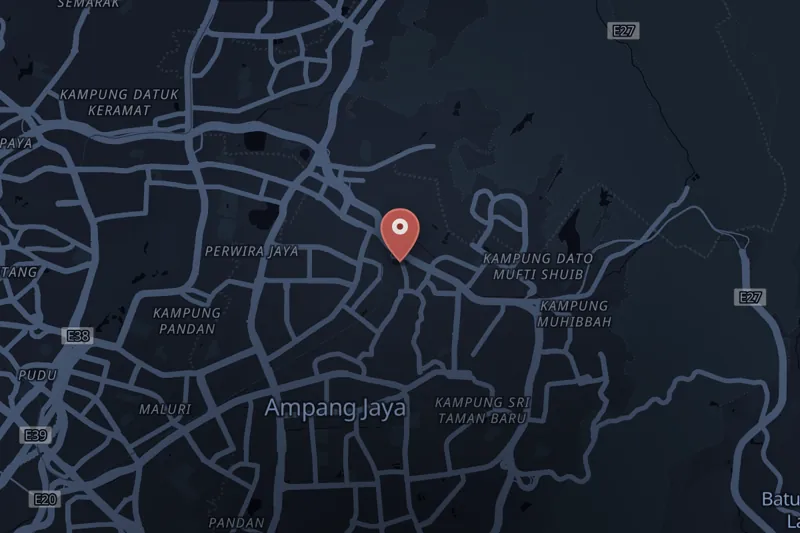
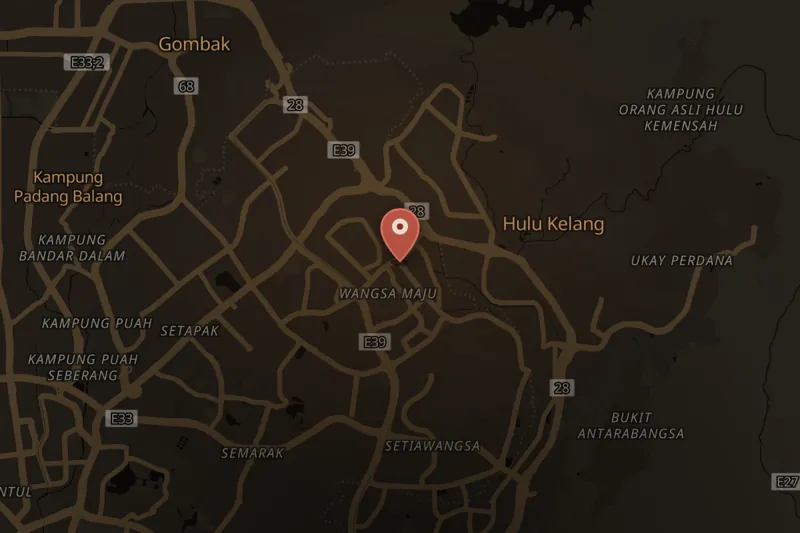
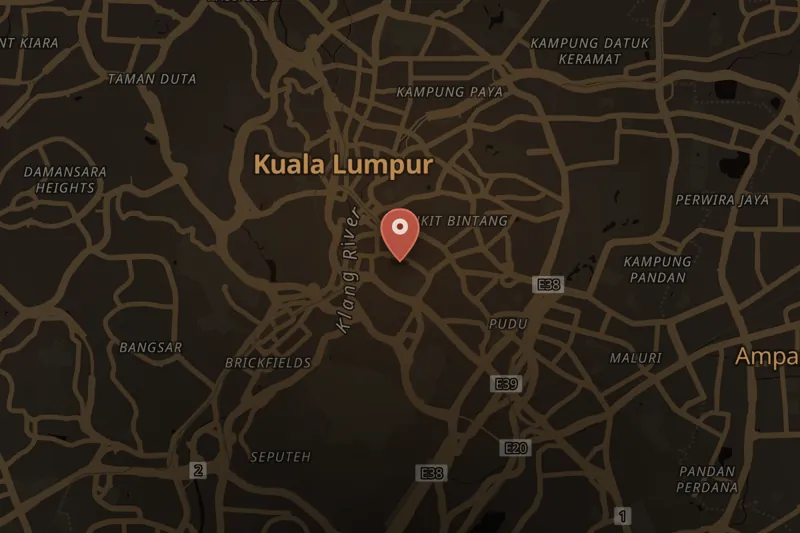
- AIA Building, Jalan Ampang, Kuala Lumpur
- Case status
- solved
Case timeline
1975-08-04
Five members of the Japanese Red Army storm the AIA Building in Kuala Lumpur and take approximately 53 embassy employees hostage.
1975-08-05
Hostage crisis publicly recognized as occurring at the AIA Building.
1975-08-08
Hostage-takers, freed JRA prisoners, and two Malaysian officials arrive at Tripoli Airport, Libya, after a stopover in Colombo.
1975-08-10
Malaysian officials Tan Sri Osman Samsuddin Cassim and Dato' Ramli Omar return to Malaysia unharmed.
1977
Kunio Bandō, one of the freed prisoners, is later believed to have assisted in the hijacking of Japan Airlines Flight 472.
2009-09-16
Sweden's King Carl XVI Gustaf awards the Royal Order of the Polar Star to Tan Sri Samsudin Osman Kassim for his role in the crisis.
Best coverage
No approved coverage links are attached yet.
People
Trudy Lancaster
VICTIMAustralian citizen, age 32, taken hostage during the crisis.
Gerald Lancaster
VICTIMUS citizen, age 50, taken hostage during the crisis.
M. Shamugham
LAW ENFORCEMENTFirst commander of the Special Action Unit; escorted prisoners from Japan for the hostage exchange.
Ulla Odqvist
VICTIMSecretary of the Embassy of Sweden taken hostage during the crisis.
Mohammed Hanif Omar
LAW ENFORCEMENTInspector General of the Royal Malaysia Police who took command of rescue operations during the crisis.
Mohd Zaman Khan
LAW ENFORCEMENTStrike team leader of the Special Action Unit who attempted, then aborted, a rescue operation.
Robert C. Stebbins
VICTIMUnited States Consul taken hostage during the crisis.
Kunio Bandō
CONVICTEDPreviously jailed for role in the Asama-Sansō incident; freed as part of the JRA's demands during this crisis and later believed involved in a 1977 hijacking.
Rodney Lancaster
VICTIMAustralian citizen, age 10, taken hostage during the crisis.
Adrian Lancaster
VICTIMAustralian citizen, age 9, taken hostage during the crisis.
Vick Lancaster
VICTIMAustralian citizen, age 11, taken hostage during the crisis.
Fredrik Bergenstråhle
VICTIMSwedish embassy officer taken hostage during the crisis.
Roles reflect public records and court outcomes at the time of writing — supporting citations are on file under Sources.
Places
Common questions
- What happened to the victim?
- In August 1975, five Japanese Red Army members seized the AIA Building in Kuala Lumpur, taking more than 50 hostages including US and Swedish diplomats, and won the release of five imprisoned militants in exchange for safe passage to Libya.
- Where did the crime happen?
- AIA Building, Jalan Ampang, Kuala Lumpur.
- Who was convicted?
- Kunio Bandō (Previously jailed for role in the Asama-Sansō incident; freed as part of the JRA's demands during this crisis and later believed involved in a 1977 hijacking.).
- What is the current status of the case?
- Status: solved. Last verified July 2026.
Sources
- ENCYCLOPEDIC1975 AIA building hostage crisisWikipedia · 2026-07-07
- PRESSContemporaneous coverage — The New York TimesThe New York Times · 2026-07-07
- PRESSContemporaneous coverage — The IndependentThe Independent · 2026-07-07
Record history
- First published
- JUL 07, 2026
- Last verified against sources
- JUL 07, 2026