Skip to content
Casepin

Solved case · 1986

Jimmy Chua Chap Seng and the 1986 Pudu Prison Hostage Incident

Also known as Jimmy Chua Chap Seng · Hokkien Chai

SOLVEDCONVICTED
Updated
Updated Jul 7, 2026
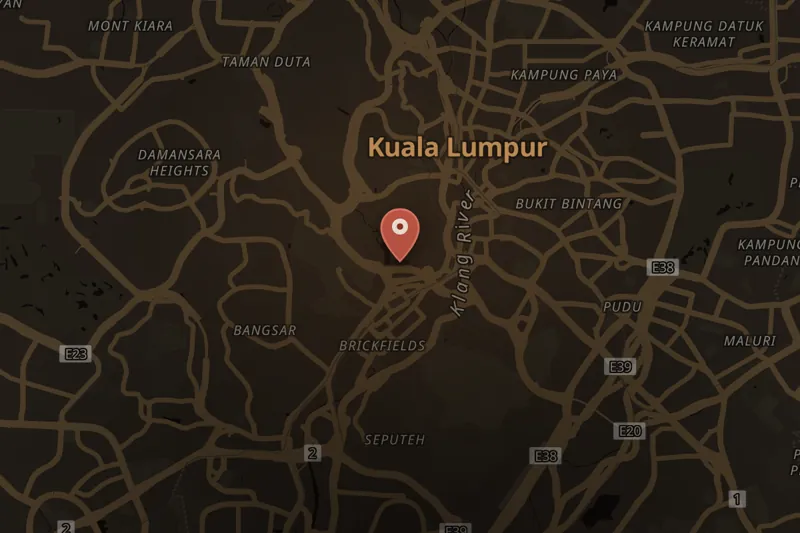
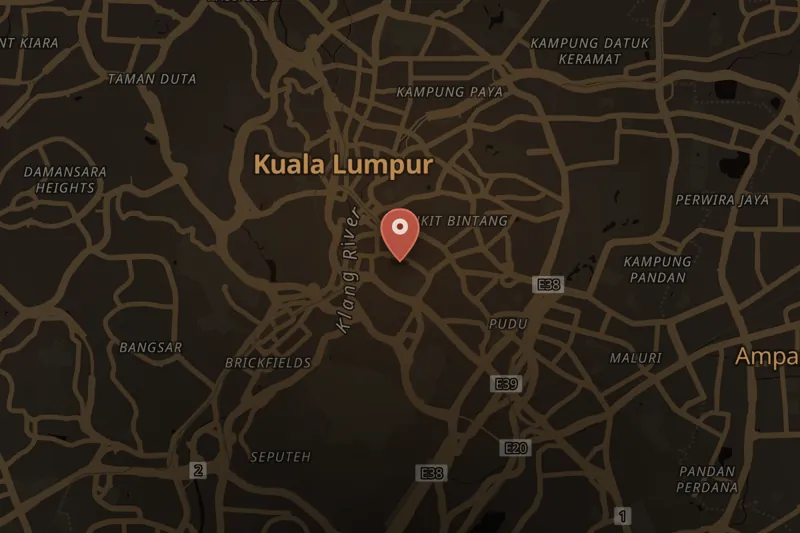
Pudu Prison, Kuala Lumpur, MalaysiaView on the map

The short answer

Jimmy Chua Chap Seng and the 1986 Pudu Prison Hostage Incident in brief

Singaporean former police officer Jimmy Chua Chap Seng, held at Pudu Prison in Malaysia on murder and firearms charges, masterminded a six-day hostage siege in October 1986 with five fellow inmates before being executed in 1989 for separate firearms offences without ever being tried for the siege.

Key facts

Year
1986
Place
Pudu Prison, Kuala Lumpur, Malaysia
Status
SOLVEDSolved
Victim
Mohamed Yassin bin Ismail
Outcome
Convicted: Yap See Keong, Lam Hok Sung, Sim Ah Lan, Pang Boon Boo, Jimmy Chua Chap Seng and Ng Lai Huat

The coverage index

Where to watch & listen

No one's coverage is attached to this file yet.

Know great coverage of this case?

A documentary, a podcast episode, a careful long-form video. Suggest it and an editor will review it before it appears here.

Suggest coverage for this case

The case file

What happened

Jimmy Chua Chap Seng (蔡捷成), born 28 August 1947 in Singapore and nicknamed Hokkien Chai, was a former Singapore Police Force investigator dismissed after a 1972 bribery conviction. He later turned to crime in Malaysia, allegedly leading a secret society and dealing in illegal firearms.

On 8 February 1984, while committing vehicle theft in Kuala Lumpur, Chua was being arrested by Police Constable Mohamed Yassin bin Ismail when he seized the officer's pistol and shot him three times at point-blank range. PC Mohamed Yassin, 27, died about an hour later. Chua evaded capture for six days before being arrested on 14 February 1984 in possession of a .32 Llama pistol and ammunition, resulting in murder and firearms charges, either of which carried the death penalty under Malaysian law. He was remanded at Pudu Prison from August 1984, briefly escaping from hospital custody in April 1985 before being recaptured.

On 17 October 1986, Chua and five other inmates — Lam Hok Sung, Ng Lai Huat, Sim Ah Lan, Pang Boon Boo, and Yap See Keong — took two prison medical staff, Dr. Radzi Jaffar and laboratory technician Abdul Aziz Abdul Majid, hostage during a routine medical checkup, using improvised weapons. The group demanded reduced charges, vehicles, and money in exchange for the hostages' release. Authorities, led by Prisons Department director-general Datuk Ibrahim Mohamed and under instructions from Prime Minister Mahathir Mohamad to avoid bloodshed, refused to concede to the demands. After six days, inmate Pang Boon Boo covertly cooperated with police, enabling a raid that ended the siege without fatalities; both hostages were rescued unharmed.

On 21 November 1986, in a separate case concerning his firearms offences under the Internal Security Act, Chua was convicted and sentenced to death by the Kuala Lumpur High Court. His final appeal was dismissed by the Supreme Court of Malaysia on 19 September 1988, and he was hanged at Pudu Prison on 10 October 1989, aged 42. Because of his death, Chua was never tried for the hostage-taking.

Chua's five accomplices were charged with kidnapping for ransom, which could have carried the death penalty, but the prosecution's case relied heavily on Chua's alleged ransom demands. Defense lawyers, including Karpal Singh, successfully argued this could not be admitted as hearsay evidence without Chua available for cross-examination. On 16 March 1990, all five pleaded guilty to reduced charges of wrongful confinement and abduction; Yap See Keong and Pang Boon Boo were sentenced to three years each, while the remaining three received five years each. Lam Hok Sung was separately sentenced to death for a firearms offence in 1988 in another case.

15 dated entries · 1947–1990

Timeline

  1. Jimmy Chua Chap Seng born in Singapore.

  2. Chua joins the Singapore Police Force.

  3. Chua sentenced to 15 months' jail for bribery, ending his police career.

  4. Chua fatally shoots Police Constable Mohamed Yassin bin Ismail during arrest for vehicle theft in Kuala Lumpur.

  5. Chua arrested by Malaysian police six days after the killing, found in possession of illegal firearm and ammunition.

  6. Chua remanded at Pudu Prison pending trial.

  7. Chua escapes from hospital while receiving treatment; later recaptured at Seremban.

  8. Chua and five accomplices take two medical staff hostage at Pudu Prison, beginning a six-day siege.

  9. Chua convicted and sentenced to death for firearms offences under the Internal Security Act.

  10. Chua and five accomplices charged with kidnapping for ransom over the hostage incident.

  11. Gang of six ordered to stand trial at the High Court for the kidnapping charges.

  12. Supreme Court of Malaysia dismisses Chua's final appeal against his death sentence.

  13. Accomplice Lam Hok Sung separately sentenced to death for a firearms offence.

  14. Chua executed by hanging at Pudu Prison.

  15. Chua's five accomplices plead guilty to reduced charges of wrongful confinement and abduction and are sentenced.

7 named in this file

People

Victims first. Every legal label is set from public records and court outcomes, not from the prose.

  • Mohamed Yassin bin Ismail

    VICTIM

    27-year-old police constable fatally shot by Chua during an arrest on 8 February 1984.[3]

  • Jimmy Chua Chap Seng

    CONVICTED

    Convicted and sentenced to death for illegal possession of firearms and ammunition under the Internal Security Act; hanged in 1989. Never tried for his role in the Pudu Prison hostage incident due to his execution.[3]

  • Lam Hok Sung

    CONVICTED

    Pudu Prison siege participant; pleaded guilty in 1990 to reduced charges of wrongful confinement and abduction and sentenced to 5 years; separately sentenced to death in 1988 for a firearms offence.[3]

  • Ng Lai Huat

    CONVICTED

    Pudu Prison siege participant; pleaded guilty in 1990 to reduced charges of wrongful confinement and abduction, sentenced to 5 years.[3]

  • Pang Boon Boo

    CONVICTED

    Pudu Prison siege participant who cooperated with police to end the siege; pleaded guilty in 1990 to reduced charges of wrongful confinement and abduction, sentenced to 3 years.[3]

  • Sim Ah Lan

    CONVICTED

    Pudu Prison siege participant; pleaded guilty in 1990 to reduced charges of wrongful confinement and abduction, sentenced to 5 years.[3]

  • Yap See Keong

    CONVICTED

    Pudu Prison siege participant; pleaded guilty in 1990 to reduced charges of wrongful confinement and abduction, sentenced to 3 years.[3]

From the record

Quick answers

Who were convicted?
Yap See Keong: Pudu Prison siege participant; pleaded guilty in 1990 to reduced charges of wrongful confinement and abduction, sentenced to 3 years. Lam Hok Sung: Pudu Prison siege participant; pleaded guilty in 1990 to reduced charges of wrongful confinement and abduction and sentenced to 5 years; separately sentenced to death in 1988 for a firearms offence. Sim Ah Lan: Pudu Prison siege participant; pleaded guilty in 1990 to reduced charges of wrongful confinement and abduction, sentenced to 5 years. Pang Boon Boo: Pudu Prison siege participant who cooperated with police to end the siege; pleaded guilty in 1990 to reduced charges of wrongful confinement and abduction, sentenced to 3 years. Jimmy Chua Chap Seng: Convicted and sentenced to death for illegal possession of firearms and ammunition under the Internal Security Act; hanged in 1989. Never tried for his role in the Pudu Prison hostage incident due to his execution. Ng Lai Huat: Pudu Prison siege participant; pleaded guilty in 1990 to reduced charges of wrongful confinement and abduction, sentenced to 5 years.

3 cited

Sources

Coverage is not a source: every fact in this file rests on the records below.

  • 2 Press
  • 1 Encyclopedic
  1. Jimmy Chua Chap Seng

    EncyclopedicWikipediaAccessed Jul 7, 2026

Trust

Record history

First published
Jul 7, 2026
Corrections
None

Are you family of someone named in this file? Corrections and removal requests from victims’ families are prioritized.