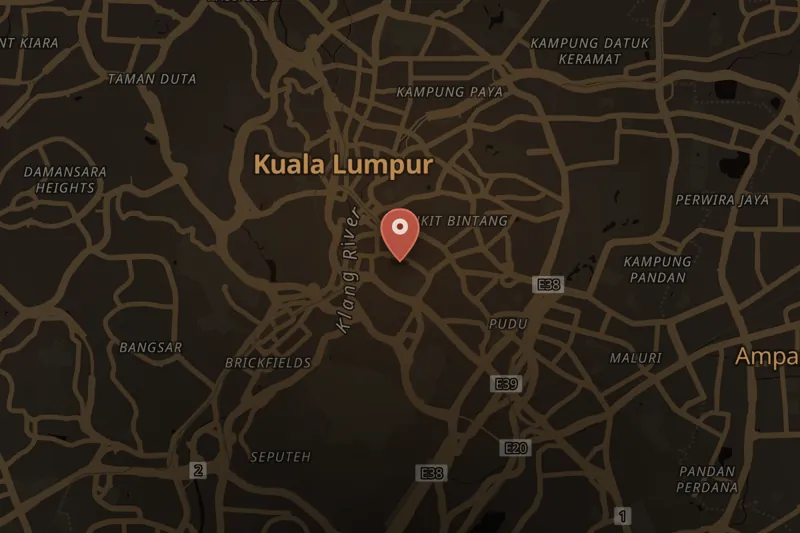
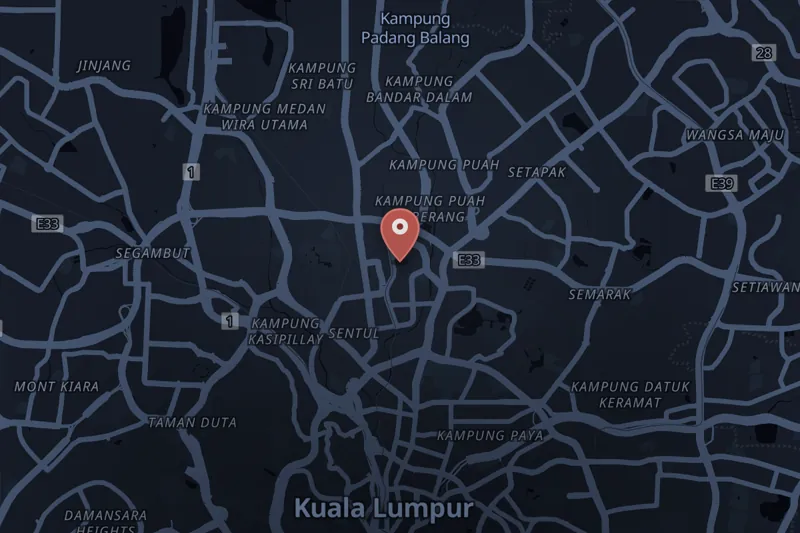
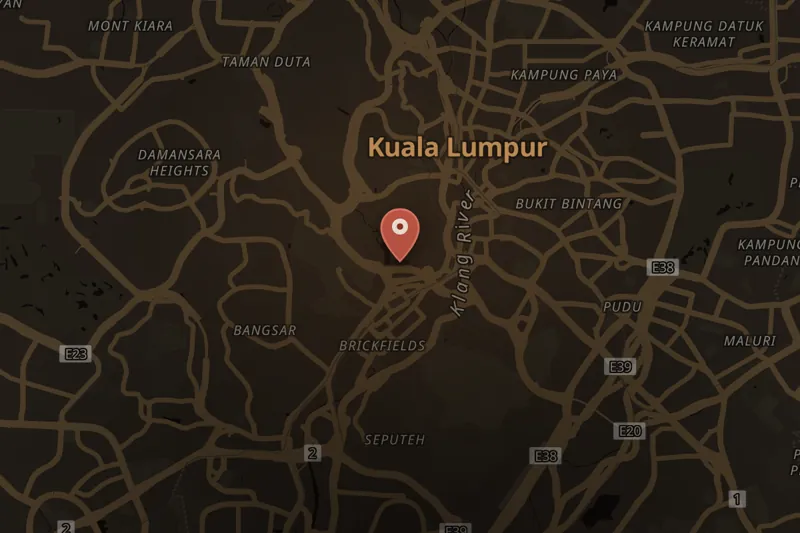
On the night of 23 April 1992, an Indian-American family living at a bungalow on Jalan Turi in Kuala Lumpur, Malaysia, was attacked by their security guard, Ariffin Agas, who had been employed by the family only three days earlier. The family's mother, 38-year-old Suneeta Talwar, had just returned home from an outing when the attack began; she was injured but managed to escape to a neighbour's house to seek help. Her husband, Rakesh Talwar, a director at Colgate-Palmolive, was in London on business at the time. Suneeta's two sons — 11-year-old Kabir Talwar and 7-year-old Arjun Talwar — and the family's 45-year-old Filipino maid, Natalia Fernandes, could not be found inside the house, which was found with bloodstains throughout.
The three victims were later found dead, stacked inside a septic tank, after Ariffin led police to the location. He was arrested on the same day as the killings. On 8 May 1992, he was formally charged in court with the murders of the two boys and the maid, and a magistrate's court subsequently ordered him to stand trial on all three counts.
At trial, which began on 10 January 1994 at the Kuala Lumpur High Court before Justice Datuk Syed Ahmad Idid and a seven-member jury, forensic pathologist Dr Abdul Rahman Yusof testified that all three victims died from blunt-force trauma consistent with being bludgeoned, including skull fractures and fatal blood loss. A chemist testified that Ariffin's uniform and a broken chopping board recovered at the scene bore the victims' DNA. Suneeta Talwar testified that Ariffin attacked her first before she fled. Several neighbours corroborated hearing screams and seeing bloodstains, and Ariffin's supervisor testified that Ariffin had told him, in Malay, that he "had to do it." Ariffin denied the killings, testifying that three armed Chinese men had committed the murders and forced him to help dispose of the bodies; the prosecution argued this account was fabricated.
On 28 March 1994, the jury found Ariffin guilty of all three murders by a majority verdict of six to one, and the judge sentenced him to death by hanging on each count. His appeal to the Court of Appeal was rejected, and his final appeal to the Federal Court of Malaysia was dismissed on 17 November 1999, finalising his conviction and sentence.
Ariffin Agas, then 35, was hanged at Kajang Prison on 27 December 2002, alongside two other condemned prisoners executed the same day. His motive for the killings was never established, though there was unconfirmed speculation about a psychiatric disorder. The case was later referenced in Malaysian media discussions of security-guard background-check practices following a separate 2016 murder case.

 Credit: The original uploader was Ohconfucius at English Wikipedia.CC BY-SA 2.0SourceUNSOLVEDListen