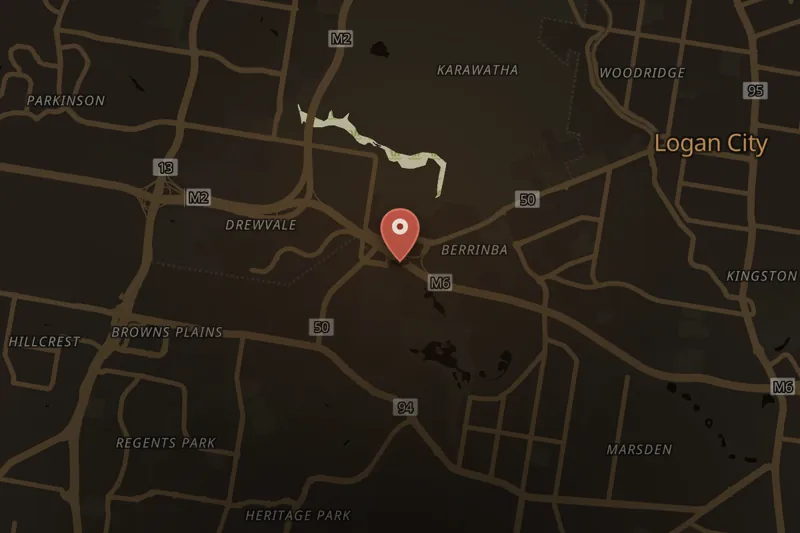
On 25 January 1996, a familicide occurred in and around the suburb of Hillcrest, in Logan City, Queensland, Australia. Peter May, aged 32 at the time, identified by police as the gunman, shot and killed six people that day: his estranged wife, Helen May; their three children, Lisa (11), Andrew (9), and Natalie (7); and his parents-in-law, Jim and Rita Potter. He then took his own life. May was described as a problematic gambler with a history of domestic violence.
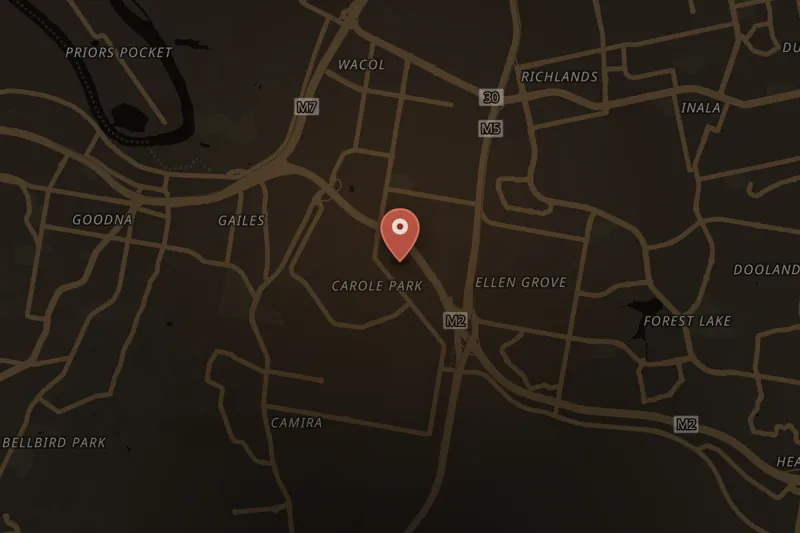
The killings occurred in two locations. May's three children were shot dead at an address in Ellen Grove, in Brisbane's southwest, where they were apparently staying or living. He then drove to Hillcrest, where his estranged wife Helen was staying with her parents, Jim and Rita Potter. At the Hillcrest address, May killed Jim and Rita Potter. As Helen attempted to escape, he dragged her back inside the house and shot her dead before killing himself.
In the period leading up to the shooting, May had reportedly visited a Men's Rights Agency (MRA) about a month prior to the killings. He was told there that he had little hope of seeing his children after his wife had left him. It has been alleged that the agency may have encouraged May to use a private investigator to track down his wife's secret address after she left him; the agency itself denied that its advice contributed to the tragedy.
The Hillcrest shooting is described as one of Australia's most high-profile cases of domestic violence and one of the country's worst mass shootings. It occurred approximately three months before the Port Arthur massacre, which took place in April 1996 and prompted major changes to Australian firearms law. The case is also noted alongside the 2018 Osmington shooting in Western Australia, a familicide with a comparable death toll.

 Credit: ABC News (Australia), via English WikipediaEditorial useSourceSOLVEDListen