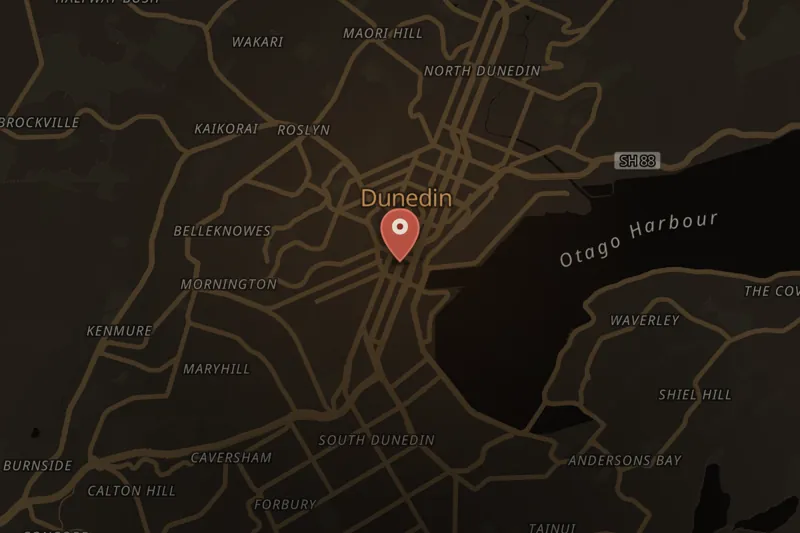
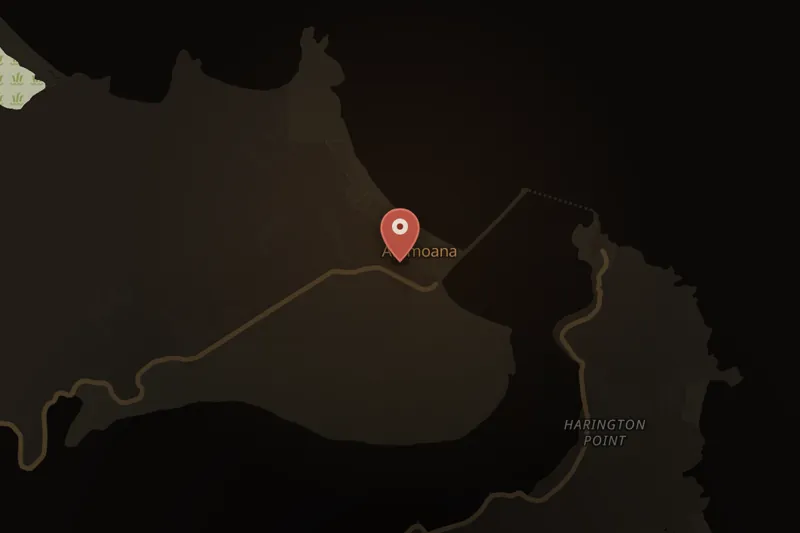
The Aramoana massacre was a mass shooting on 13 November 1990 in Aramoana, a small seaside township northeast of Dunedin, New Zealand. An unemployed local resident, aged 33, killed 13 people and wounded three others before police fatally shot him the following day. At the time it was the deadliest mass shooting in New Zealand's history, a record it held until the Christchurch mosque shootings of 15 March 2019.
The attack began at about 7:30 p.m. after the man confronted his next-door neighbour, Garry Holden, over one of Holden's daughters. He retrieved a semi-automatic rifle, shot Holden, killed two children sheltering in Holden's house, and set the house on fire. He then fired along the township's only road, targeting residents who had stopped to help at the burning house, and entered several homes. Thirteen people were killed, among them six children, and three others were wounded.
The first armed officer to reach Aramoana was Sergeant Stewart Guthrie, officer in charge of the Port Chalmers police station, who was fatally shot after challenging the gunman in the dark; New Zealand's front-line police do not routinely carry firearms. As night fell, Armed Offenders Squad units sealed off the township, and the Commissioner of Police authorised the Anti-Terrorist Squad, later renamed the Special Tactics Group, to travel to Dunedin. Supported by a Royal New Zealand Air Force Iroquois helicopter, police searched the township house by house over the following day.
On the evening of 14 November, the gunman emerged from a crib, or holiday cottage, firing from the hip and was struck by police gunfire. He died in an ambulance while being taken to a Dunedin hospital, bringing the total number of dead, including him, to fourteen. Police recovered several firearms from the crib, and forensic analysis attributed a number of the deaths and injuries to a Norinco semi-automatic rifle.
Several people received bravery awards, including a posthumous George Cross for Sergeant Guthrie and a George Medal for Eva Helen Dickson, a resident who crawled to a telephone to call emergency services. The massacre prompted national debate about gun control and led directly to a 1992 amendment to New Zealand's firearms legislation, which tightened controls and created a military-style semi-automatic category. The events were later the subject of books, a 1997 documentary, and the 2006 feature film Out of the Blue.


 Credit: BenchillCC BY-SA 3.0SourceOVERTURNEDListen