Overview
The Indian massacre of 1622 was a series of coordinated surprise attacks carried out on March 22, 1621/22 (Old Style/New Style) by warriors of the Powhatan Confederacy against English colonists in Virginia. According to John Smith's account in his *History of Virginia* — written though he was not an eyewitness — Powhatan warriors entered English homes unarmed, bearing food to trade, then seized available tools and weapons and killed the settlers they found, including men, women, and children. The attacks, led by Opechancanough, paramount chief of the Powhatan Confederacy, killed a total of 347 people, roughly a quarter of the colony's population at the time.
Background
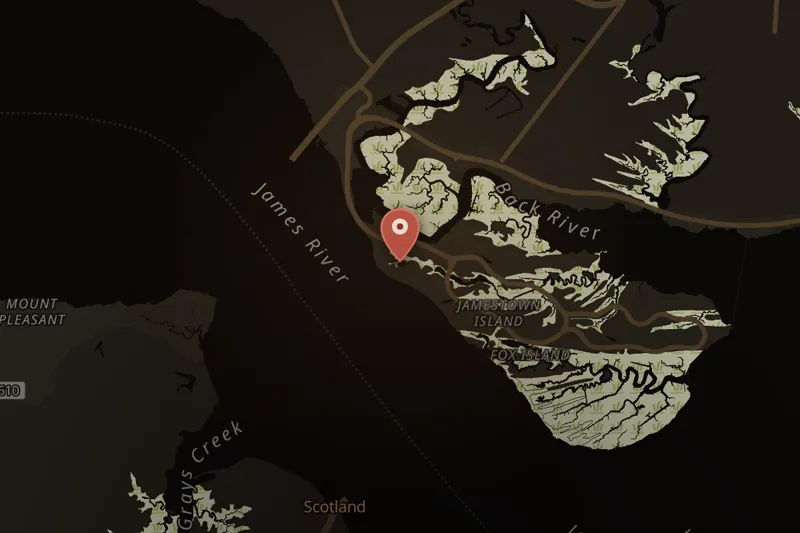
Jamestown, founded in 1607, was the first successful English settlement in North America and the capital of the Colony of Virginia. The colony's tobacco economy degraded land quickly, driving settlers to continually expand onto Powhatan territory, which provoked hostility. Early relations included trade for metal tools, but military leaders such as Thomas Dale and Thomas Gates treated the Powhatan Confederacy as a "military problem." Tensions escalated into the First Anglo-Powhatan War beginning in 1610, during which colonists captured Powhatan's daughter Pocahontas. Her subsequent marriage to colonist John Rolfe brought a period of relative peace. After Powhatan's death in 1618, leadership passed to his brother Opitchapam and later to Opechancanough, who, with advisor Nemattanew, did not believe peace with the colonists could be sustained. In spring 1622, Nemattanew was killed by colonists over the death of a man named Morgan, an event described as a contributing motive for the subsequent attacks on at least 31 English settlements, mostly along the James River and extending to Henricus.
The attacks and aftermath
Jamestown itself was spared after an Indian youth living in the household of colonist Richard Pace warned him of the planned attack, allowing Pace to alert the settlement. Other communities, including Henricus, Martin's Hundred (73 killed), and Wolstenholme Towne (more than half its population killed), suffered heavy losses. Twenty women were taken captive. Settlements including Falling Creek Ironworks, Henricus, and Smith's Hundred were abandoned. In May 1623, Captain Tucker negotiated with Opechancanough for the release of captive women; during this meeting colonists gave poisoned wine to Powhatan representatives, killing roughly 200, followed by additional killings. Armed raids on Powhatan settlements and crops continued through November 1623. In 1624, Virginia became a crown colony. Decades later, the Third Anglo-Powhatan War (1644) resulted in the capture and killing of the elderly Opechancanough, marking the beginning of the Powhatan Confederacy's decline. Seven tribes of the original confederacy are recognized today in Virginia.

 SOLVEDListen