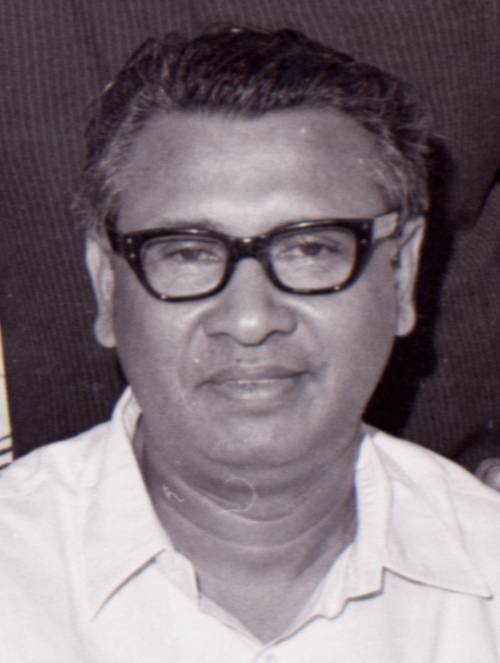
Abu Bakar Siddique was a third-year student in the Department of Islamic History and Culture at the University of Dhaka. He had ranked first in his department through his second year and held the department's highest-ever academic record. His family, from Golabari village in Madhupur Upazila, Tangail District, lived in poverty; his father, Rustam Ali, was a day laborer, and Abu Bakar worked in fields and gave tuition during breaks to support his studies.
On the night of February 1, 2010, a violent clash and gunfight broke out at Sir AF Rahman Hall between two factions of the Bangladesh Chhatra League — one led by hall president Saiduzzaman Faruq and the other by general secretary Mehedi Hasan Molla — reportedly over control of hall seats and a large tender for two new university dormitories. Abu Bakar was critically injured during the incident, along with thirty others including Chhatra League members and general students. He died on February 3, 2010, while receiving treatment at Dhaka Medical College and Hospital. An autopsy found he died from a heavy blunt-force injury to the back of his head, contradicting initial reports that he had died of gunshot wounds. A five-member university investigation committee, led by Professor Md. Abul Kashem, examined the incident, and university authorities temporarily suspended ten Chhatra League members accused in the case.
A murder case was filed at Shahbagh Police Station by Omar Faruk, a fellow hall resident. After a 14-month investigation, police submitted a chargesheet on April 29, 2011, against eight people, including hall president Saiduzzaman Faruq. The case was later transferred to the Criminal Investigation Department (CID) after the plaintiff expressed distrust in the police investigation. CID submitted a further chargesheet on November 26, 2012, naming two additional accused, bringing the total to ten. The case saw four different investigating officers, and the court noted that no tear gas shell casings or blunt weapons were ever seized as evidence, with only Abu Bakar's bloodstained lungi submitted. Of 22 prosecution witnesses, 11 eyewitnesses stated that Abu Bakar died after being struck by a police-fired tear gas shell.
On May 7, 2017, Dhaka's Additional Metropolitan Sessions Judge Md. Zahidul Kabir acquitted all ten accused, citing the autopsy finding of a blunt-weapon injury. The victim's family was reportedly not informed of the verdict, and it became publicly known later, preventing a timely appeal. Then Law Minister Anisul Huq said he would investigate the failure to appeal. Separately, expulsion orders against some accused students were declared invalid by the High Court Division in 2012, and after 2024's political changes, a decision was made in January 2025 to appeal that High Court ruling. The case remains associated with calls for retrial from student and civil society groups.

 Credit: Salim KhandokerCC BY-SA 4.0SourceSOLVEDListen