
Unsolved case
Killing of Disabled Children in Uganda
In parts of Uganda, disabled children have been killed by witch doctors in ritual practices sometimes described by perpetrators as "mercy killing," with body parts used in potions believed to bring wealth, health, or success.
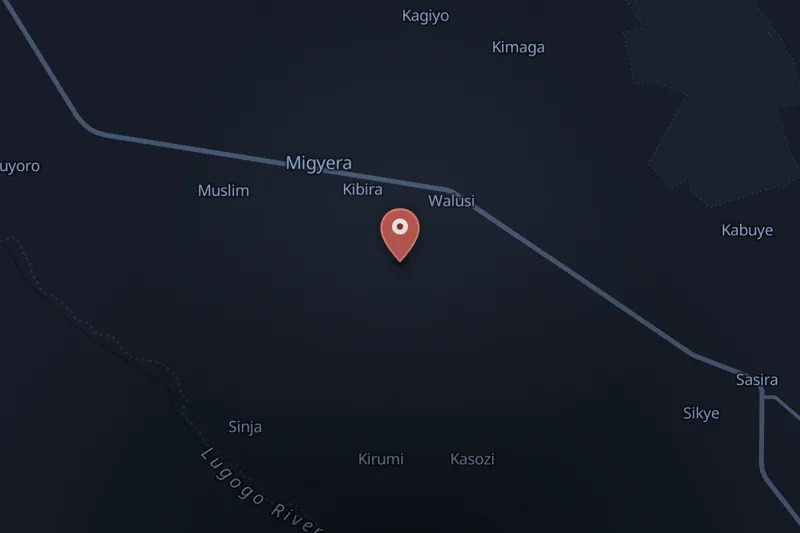
In some parts of Uganda, disabled children have been killed as part of ritual practices. According to available reporting, those who continue these practices describe the killings as "mercy killing," framing the act as sparing children from enduring painful disabilities. However, the underlying ritual purpose described in sourcing centers on the belief that infant body parts can bring benefits such as wealth, health, or success to those seeking them.
The rituals are typically described as being carried out by witch doctors, often after other methods — including herbal remedies or animal sacrifices — are attempted and considered less effective. During the ritual process, a witch doctor, in the presence of accomplices, reportedly first checks the child for signs of "demonization." Body parts are then forcibly removed, commonly including the head, genitals, eyes, tongue, limbs, teeth, and organs, with the blood used to prepare a potion mixed with herbs. Perpetrators reportedly claim these rituals are necessary to bring about success, healing, or wealth for their clients.
These witch doctors are sometimes conflated with traditional healers, which has contributed to narratives associating witchcraft with legitimate indigenous healing practices. Sourcing distinguishes the two, stating that traditional healers do not use human organs. Parents of disabled children are also described as playing a role in enabling these killings, based on a belief that ending the child's life would prevent further suffering associated with the disability.
In 2018, Members of the European Parliament condemned the killing of disabled children and newborns in Uganda, describing the practice as "unjustifiable and inhumane" and affirming that "human dignity is inviolable" and that "everyone has the right to life, regardless of their abilities and disabilities." Broader context provided in sourcing notes that disabled children in Uganda are often excluded from community life, hidden from the public, or cast out, and that mothers of disabled children can face isolation from extended family while fathers are described as often neglecting their families. Ugandan household survey data is noted to exclude children under five from disability counts, even though an estimated 7.1% of the Ugandan population — about 2.1 million people — are reported to live with disabilities.
Ugandan law is described as prohibiting discrimination against people with disabilities in employment, education, transportation, health care access, and other state services, but enforcement of these protections is characterized as ineffective. A 2012 report by Uganda's National Council on Disability found that 55% of persons with disabilities lacked functional literacy skills and only 33% had completed primary grade seven, and documented cases of children with mental disabilities being denied food or restrained with ropes. Government bodies tasked with protecting disability rights, including the Ministry of State for Disabled Persons and the Ministry of Gender, Labor, and Social Development, are described as lacking sufficient funding. Uganda's parliament reserves five seats for representatives of persons with disabilities.
Key facts
- Victims
- On file
- Date
- 2012
- Location
- Uganda
- Case status
- unsolved
Case timeline
2012
A report by Uganda's National Council on Disability documented poor treatment of disabled persons, including denial of food and physical restraint of children with mental disabilities.
2018
Members of the European Parliament condemned the killing of disabled children and newborns in Uganda as unjustifiable and inhumane.
Best coverage
No coverage has been attached to this file yet.
People
No public people records are attached yet.
Places
Common questions
- What happened to the victim?
- In parts of Uganda, disabled children have been killed by witch doctors in ritual practices sometimes described by perpetrators as "mercy killing," with body parts used in potions believed to bring wealth, health, or success.
- Where did the killing happen?
- Uganda.
- What is the current status of the case?
- Status: unsolved.
Related cases
View all cases
Sources
- ENCYCLOPEDICKilling of disabled children in UgandaWikipedia · 2026-07-10
- PRESS2012 Human Rights Report: Ugandaphotos.state.gov · 2026-07-10
- PRESSContemporaneous coverage — BBC NewsBBC News · 2026-07-10
When a file you follow changes — a new development, a correction, fresh coverage — the Dispatch is how you hear about it.
The Casepin Dispatch
A calm weekly briefing from the archive — one case worth understanding, meaningful updates to files you follow, and the best new coverage. You’ll also get the one-time note when the apps land. No gore, no rumor, no drip.