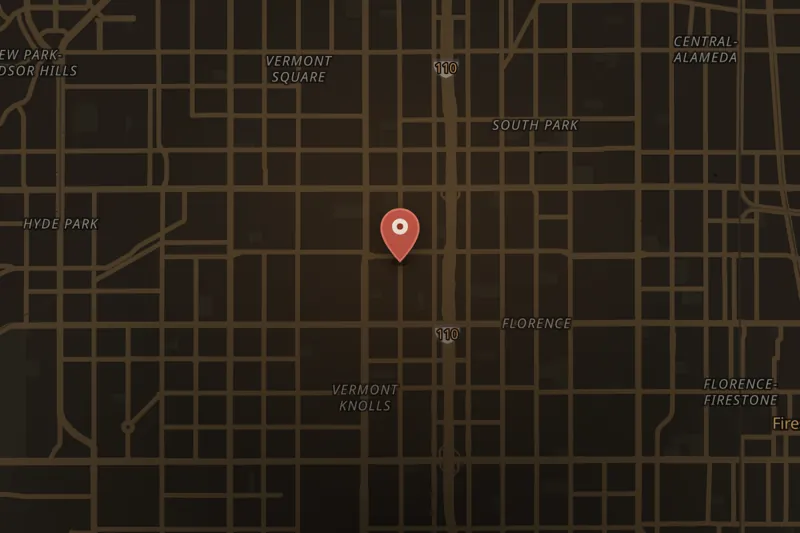
Eulia Mae Love, commonly known as Eula Love, was a 39-year-old African-American widow and mother of three young daughters living in South Los Angeles. Six months before her death, her husband William had died of sickle cell anemia, leaving her financially strapped and solely responsible for the family.
On January 3, 1979, Love had an altercation with a service worker from the Southern California Gas Company who had been sent to her home to collect an overdue utility bill. She left to go to a store and cash a check to pay the bill, but upon returning home found additional gas company personnel present; they had called the police. Further upset by the presence of the utility workers, Love went into her house and emerged holding a boning knife. When Los Angeles Police Department officers Edward Hopson and Lloyd O'Callaghan arrived, Love reportedly threatened them with the knife. The two officers fired twelve shots at Love, striking her eight times at close range and killing her instantly. The officers stated they had fired in self-defense.
The shooting generated extensive coverage in local news media and provoked significant public outrage, particularly in South Los Angeles's Black community. The Los Angeles Police Commission conducted its own investigation into the incident. According to Allen John Scott's book "The City: Los Angeles and Urban Theory at the End of the Twentieth Century," Black Angelenos' confidence in the LAPD declined sharply in 1979, in part because of this case. The Commission's report is credited with prompting "significant reforms in the Department's procedures on use of force."
On April 17, 1979, the Los Angeles County District Attorney exonerated both officers involved in the shooting, declining to bring charges against them.
The case drew broader academic and journalistic attention. The academic journal Crime and Social Justice later reprinted the Police Commission's report on the circumstances of the shooting, and its editors characterized the killing as "a crime against humanity." Journalist Joe Domanick, author of two books on the LAPD, described Love's shooting as emblematic of the department's "bad old days." Love's death has also been cited as the event that brought the phrase "officer-involved shooting" into widespread use by mainstream media outlets. The incident later inspired the 1980 L.A. Rebellion feature film "Gidget Meets Hondo," directed by Bernard Nicolas.