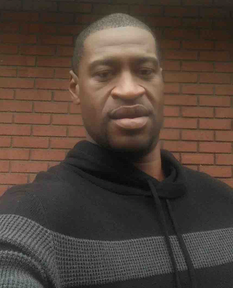
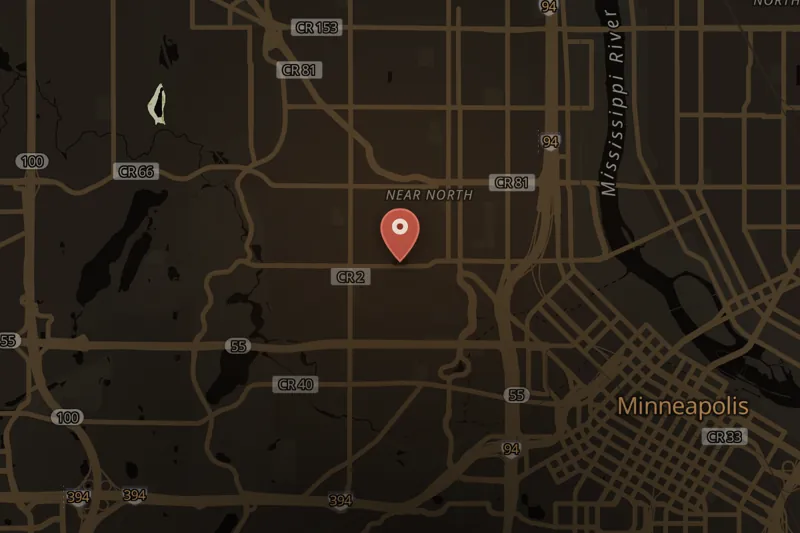
On November 15, 2015, Jamar Clark, a 24-year-old African-American man, was shot by Minneapolis Police Department officers Mark Ringgenberg and Dustin Schwarze in the Fourth Precinct area of Minneapolis. The encounter began after a birthday party dispute at an apartment on Plymouth Avenue North led to a physical altercation involving Clark's girlfriend and paramedics being called. When police arrived around 12:45 a.m., a struggle occurred; officials said Clark was not handcuffed and had gained control of one officer's firearm, at which point the other officer shot him. Clark was taken to Hennepin County Medical Center and died the following night, November 16, after being removed from life support. An autopsy determined the cause of death was a gunshot wound to the head. Ringgenberg and Schwarze were placed on paid administrative leave pending investigation.
Accounts of the shooting conflicted. Hennepin County Attorney Mike Freeman and the Minneapolis Police Union stated that Clark was not handcuffed and had struggled for an officer's gun, a version supported by DNA evidence and multiple law-enforcement and paramedic witnesses. However, several bystanders — including Nekelia Sharp, Teto Wilson, Keisha Steele, and Everett Spicer — said Clark appeared to be restrained or motionless when shot. The U.S. Department of Justice later found witness accounts inconsistent regarding whether and how Clark was handcuffed.
The shooting prompted sustained protests led by Black Lives Matter outside the Fourth Precinct station lasting 18 days, as well as demonstrations elsewhere in the Minneapolis area, including at the Mall of America and Minneapolis–Saint Paul International Airport. During one protest on November 23, 2015, a group of men were confronted and chased by protesters before one opened fire, wounding five people. Four men were subsequently charged: Lawrence Scarsella, who was sentenced in 2017 to 15 years for the shooting; Nathan Wayne Gustavsson, sentenced to eight months in a workhouse; Joseph Martin Backman, sentenced to 90 days of house arrest for aiding an offender; and Daniel Thomas Macey, whose charges were dismissed.
In response to community pressure, Hennepin County Attorney Mike Freeman announced in March 2016 that his office would no longer use grand juries to decide charges in police-involved shootings. On March 30, 2016, Freeman announced that no charges would be filed against Ringgenberg or Schwarze, concluding the state could not prove beyond a reasonable doubt that their use of force was unlawful under Minnesota law. The Minnesota Bureau of Criminal Apprehension and a subsequent U.S. Department of Justice review both concluded the officers acted in self-defense, and the DOJ declined to bring federal civil rights charges, citing insufficient evidence.
In August 2019, attorneys for Clark's family confirmed a $200,000 civil settlement with the City of Minneapolis, which the city council approved on August 23, 2019. Clark's death remained a recurring reference point in subsequent protests over police killings of Black men in Minneapolis, including during the 2020–2021 unrest following the killing of George Floyd.


 SOLVEDListen