Background
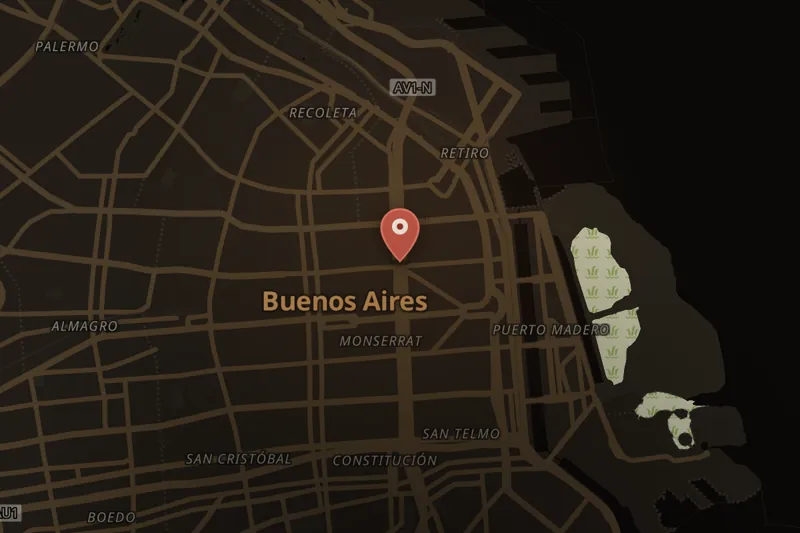
Luis Armando Espinoza was a 31-year-old rural worker from the town of Melcho, in Tucumán province, Argentina. He was a father of six and had seventeen brothers. His death occurred during Argentina's nationwide COVID-19 lockdown in 2020.
The Incident
On May 15, 2020, Espinoza was riding a horse alongside his brother Juan near the northern town of Simoca, Tucumán, where an illegal horse race was taking place in violation of pandemic quarantine rules. Nine police officers and a municipal security guard arrived to stop the event. At least four officers struggled with Juan, and when Luis tried to defend his brother, he fell from his horse and ran. He was shot in the back with a police service weapon; the bullet entered through his left shoulder blade and pierced his lung.
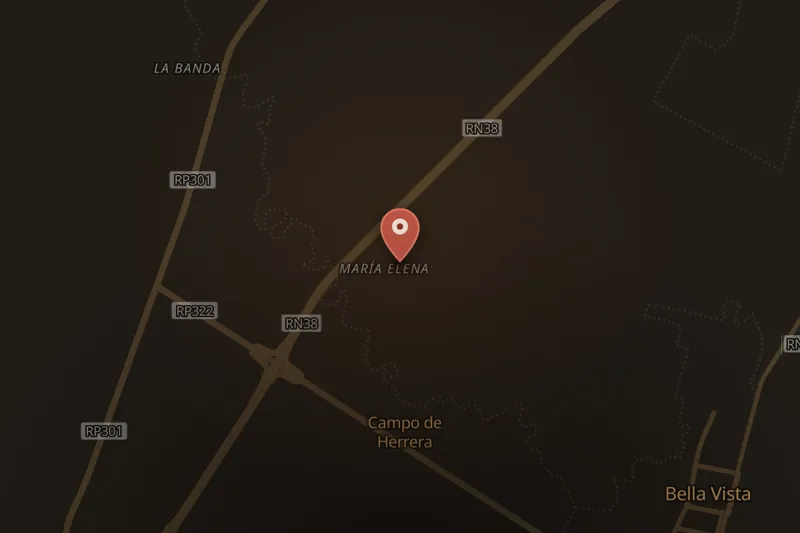
His body was taken to the Monteagudo police precinct, where it remained for approximately four hours while being prepared for disposal — wrapped in plastic bags and a rug around a flagpole. It is not established whether he died from the gunshot or during the subsequent handling. The body was then placed in the trunk of a car belonging to deputy commissioner Rubén Montenegro and driven roughly 75 miles to the border of Catamarca province, where it was dropped into a ravine.
Cover-up and Discovery
On May 16, 2020, Espinoza's family attempted to file a missing-person report at the same precinct where his body had been taken, but police declined to accept the report until 72 hours had passed. After several days, an officer acknowledged a "silence pact" among colleagues and eventually disclosed the body's location. Espinoza's remains were recovered on May 22, 2020, in La Banderita, Catamarca, inside a ravine approximately 492 feet deep. Autopsy and ballistics analysis determined the fatal shot came from a Jericho 941 pistol, an Israeli-made .9mm service weapon, belonging to officer José Morales.
The case drew public comparisons to the earlier death of Santiago Maldonado, and in June 2020 the United Nations, through the OHCHR, opened an inquiry into the killing.
Legal Proceedings
Ten individuals — nine police officers and one municipal security guard — were indicted on charges including forced disappearance followed by death and kidnapping. On May 20, 2020, a judge ordered six months of pre-trial detention for six of the accused.
A trial ran from October 24, 2022, to March 28, 2023, producing nine convictions. In December 2024, Argentina's Federal Chamber of Appeals confirmed life sentences for aggravated homicide against José Alberto Morales, Héctor Rubén Montenegro, Gerardo Esteban González Rojas, and Claudio Alfredo Zelaya, who were also convicted of unlawfully depriving Juan Antonio Espinoza of his liberty. Five-year sentences for aggravated concealment against Carlos Lisandro Romano and José María Paz were also upheld. Mirian Rosalba González's sentence was reduced on appeal from 12 years to 4 years and 7 months for concealment by a public official, while the unappealed sentences of Víctor Manuel Salinas (seven years) and René Eduardo Ardiles (five years) remained unchanged.

 Credit: Family of Celeste Rivas HernandezEditorial useSourceONGOINGListen