
Start here
The Twisted Case of Mary Yoder
That Chapter's 28-minute breakdown, the fullest single telling on file.
Watch on YouTubeOverturned conviction · 2015
Also known as Mary Yoder
The short answer
Chiropractor Mary Yoder died in July 2015 after being poisoned with colchicine; her receptionist Kaitlyn Conley was convicted of manslaughter in 2018, but the conviction was overturned on appeal in 2025 and a third trial is now being pursued.
The Twisted Case of Mary YoderThat Chapter · 28 min1 piece from 1 creator: ranked, with duplicates removed and short clips set aside.
Start here
That Chapter's 28-minute breakdown, the fullest single telling on file.
Watch on YouTubeTitles and descriptions are the creators’ own and may not reflect current legal status. The sourced facts are in the file below. Players load only when you press play. Suggest coverage we’re missing.
Mary Louise Yoder (March 18, 1955 – July 22, 2015) was a chiropractor who ran a small practice with her husband, Bill, in Whitesboro, New York. She had been in good health until her condition declined rapidly in July 2015, and she died shortly afterward. Her relatives found the death suspicious and contacted law enforcement. An autopsy determined that Yoder had died from poisoning with colchicine, an anti-inflammatory drug, and the death was ruled a homicide.
In November 2015, the Oneida County Sheriff's Office received an anonymous letter accusing Yoder's son, Adam, of the killing. A search of Adam's jeep turned up a bottle of colchicine under a seat. However, Adam was reportedly out of town at the time of the poisoning, and he said the bottle had been planted.
Investigators turned their focus to Kaitlyn Conley, a receptionist at the Yoders' office who had previously dated Adam. Conley was charged with second-degree murder in July 2016, with prosecutors alleging she had poisoned Mary Yoder during a lunch at work. Conley acknowledged writing the anonymous letter but maintained that Adam Yoder was responsible for the poisoning. At trial, the defense pointed instead to Mary's husband, Bill Yoder, as a possible perpetrator.
Conley's first trial, held in May 2017, ended in a mistrial after the jury failed to reach a unanimous verdict. A second trial concluded in January 2018, in which Conley was acquitted of second-degree murder but convicted of manslaughter. She was sentenced to 23 years in prison.
In 2019, the U.S. Supreme Court declined to hear an appeal brought by the Utica Observer-Dispatch seeking access to juror questionnaires from Conley's trial.
In February 2025, the New York Court of Appeals overturned Conley's manslaughter conviction, ruling that evidence obtained from her cell phone had been improperly obtained and should not have been admitted at trial. The Oneida County district attorney moved to hold Conley pending a new indictment, but a county judge denied that motion, and Conley was released from prison.
As of October 2025, the Oneida County district attorney is pursuing a third trial against Conley. An appeals hearing regarding sealed evidence was scheduled for April 2026 before a judge in Rochester. The case has been the subject of media coverage including Forensic Files II, My Favorite Murder, Crime Watch Daily, Dateline NBC, and the Hulu miniseries Little Miss Innocent, in which Conley was interviewed.
Mary Louise Yoder is born.
Mary Yoder dies after a rapid decline in health; autopsy later determines death by colchicine poisoning, ruled a homicide.
Oneida County Sheriff's Office receives an anonymous letter accusing Adam Yoder of the killing; a bottle of colchicine is found in his jeep.
Kaitlyn Conley is charged with second-degree murder.
Conley's first trial ends in a mistrial after the jury fails to reach a unanimous verdict.
Conley is acquitted of second-degree murder but convicted of manslaughter in a second trial; she is sentenced to 23 years in prison.
The U.S. Supreme Court declines to hear an appeal by the Utica Observer-Dispatch over access to juror questionnaires from the trial.
The New York Court of Appeals overturns Conley's manslaughter conviction, ruling cell phone evidence was improperly admitted; she is later released from prison after a judge denies a motion to hold her pending a new indictment.
A date is set for arguments before an appeals judge in Rochester regarding sealed evidence, as the district attorney pursues a third trial.
Victims first. Every legal label is set from public records and court outcomes, not from the prose.
Chiropractor who died in July 2015 of colchicine poisoning, ruled a homicide.[3]
Former receptionist at Yoder's practice; acquitted of second-degree murder but convicted of manslaughter in 2018 (sentenced to 23 years); conviction overturned on appeal in February 2025 and a third trial is being pursued.[3]
From the record
Coverage is not a source: every fact in this file rests on the records below.
Are you family of someone named in this file? Corrections and removal requests from victims’ families are prioritized.
 SOLVEDListen
Utica, New York · 2010s
Bianca Devins, a 17-year-old from Utica, New York, was killed by Brandon Andrew Clark on July 14, 2019, after the two attended a concert together. Clark photographed and shared images of her body online before attempting suicide; he later pleaded guilty to second-degree murder and was sentenced to 25 years to life.
 SOLVEDListen
Cherry Valley, New York · 1770s
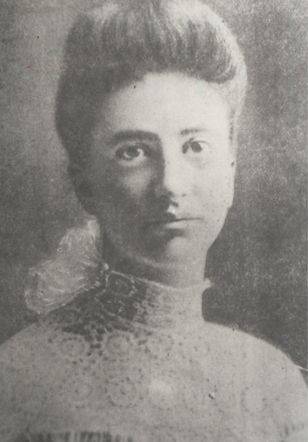
On November 11, 1778, a mixed British, Loyalist, Seneca, and Mohawk force attacked the fort and settlement of Cherry Valley, New York, killing Continental Army commander Ichabod Alden, other soldiers, and about 30 civilian non-combatants during the American Revolutionary War.
 Credit: Wikipedia/Wikimedia Commons infobox portraitPublic domainSourceSOLVEDListen
Big Moose Lake, New York · 1900s
Grace Brown, a 20-year-old factory worker, was murdered by her boyfriend Chester Gillette on Big Moose Lake, New York, in July 1906 after she told him she was pregnant. Gillette was convicted and executed in 1908.
 SOLVEDListen
Olivier Cafe, Grand Indonesia shopping mall, Jakarta · 2016
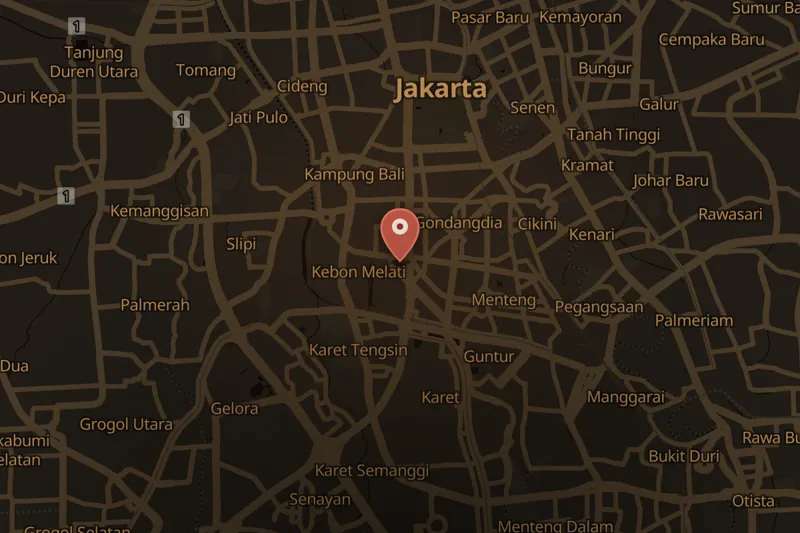
Wayan Mirna Salihin died on 6 January 2016 after drinking a cyanide-laced Vietnamese iced coffee at a Jakarta cafe; her friend Jessica Kumala Wongso was convicted of premeditated murder and sentenced to 20 years, a verdict upheld on appeal.
 SOLVEDListen
Stepping Hill Hospital, Stockport, Greater Manchester, England · 2011
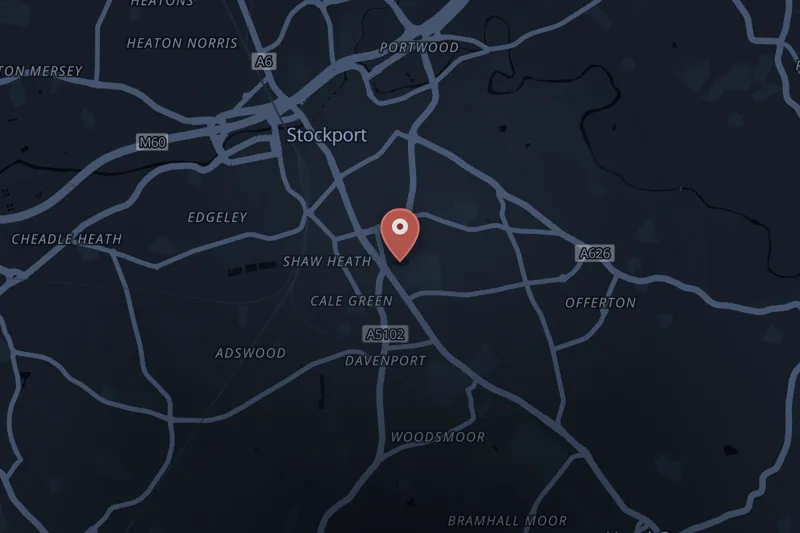
In 2011, patients at Stepping Hill Hospital in Stockport, England, died after saline drips and ampoules were found contaminated with insulin, prompting a murder inquiry. A nurse, Rebecca Leighton, was initially arrested and charged but the charges were later dropped. In 2015, nurse Victorino Chua was convicted of two murders and other poisoning-related offences and sentenced to life imprisonment.
 SOLVEDListen
Teo, A Coruña, Galicia, Spain · 2013
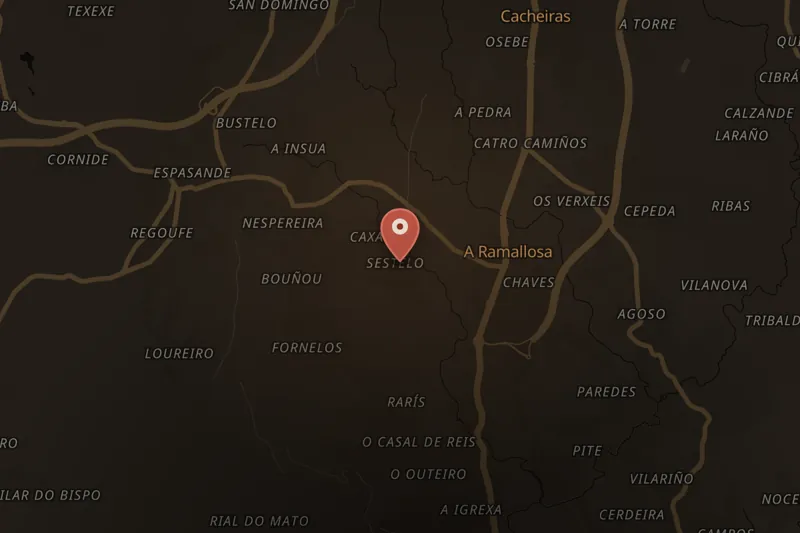
Twelve-year-old Asunta Basterra was found dead near Teo, Galicia, in September 2013, having been drugged with lorazepam and asphyxiated. Her adoptive parents, Rosario Porto and Alfonso Basterra, were convicted of her murder in 2015.
 Credit: English WikipediaEditorial useSourceSOLVEDListen
Modesto, California · 2002
Laci Peterson, 27 and eight months pregnant, disappeared from her Modesto, California home on December 24, 2002; her body and that of her unborn son Conner were found in San Francisco Bay in April 2003, and her husband Scott Peterson was convicted in 2004 of murdering both.
 Credit: CBS News / Travis Alexander (personal photo)Editorial useSourceSOLVEDListen
Mesa, Arizona, United States · 2000s
Travis Alexander, 30, was stabbed, slashed, and shot to death in his Mesa, Arizona home on June 4, 2008. His ex-girlfriend, Jodi Arias, was convicted of first-degree murder in 2013 and sentenced to life without parole in 2015 after two juries deadlocked on the death penalty.
 Credit: Family/Instagram photograph, widely distributed in press coverageEditorial useSourceSOLVEDListen
Moscow, Idaho · 2022
Four University of Idaho students—Madison Mogen, Kaylee Goncalves, Ethan Chapin, and Xana Kernodle—were fatally stabbed inside an off-campus house in Moscow, Idaho, in the early morning hours of November 13, 2022. Bryan Kohberger, a criminology PhD student at nearby Washington State University, was arrested that December and pleaded guilty in 2025, receiving four consecutive life sentences.
 Image recordEditorial useSourceSOLVEDListen
Austin, Texas · 2022
Moriah Wilson, a 25-year-old professional cyclist, was shot and killed at a friend's residence in Austin, Texas, on May 11, 2022, and Kaitlin Armstrong was later convicted and sentenced to 90 years in prison for the killing.
 Image recordEditorial useSourceSOLVEDListen
New Canaan, Connecticut, United States · 2019
Jennifer Dulos, a mother of five in New Canaan, Connecticut, disappeared on May 24, 2019, after being attacked at her home; her body has never been found, and she was declared legally dead in 2023. Her estranged husband, Fotis Dulos, was charged with her murder but died by suicide in January 2020 before trial, while his girlfriend, Michelle Troconis, was convicted in 2024 of related charges.
 Credit: English WikipediaEditorial useSourceSOLVEDListen
Star City, West Virginia (disappearance site); body found in Wayne Township, Greene County, Pennsylvania · 2012
Sixteen-year-old Skylar Neese disappeared from her Star City, West Virginia home in July 2012 and was found murdered months later. Two of her high school best friends, Rachel Shoaf and Shelia Eddy, pleaded guilty to killing her in a premeditated stabbing attack.