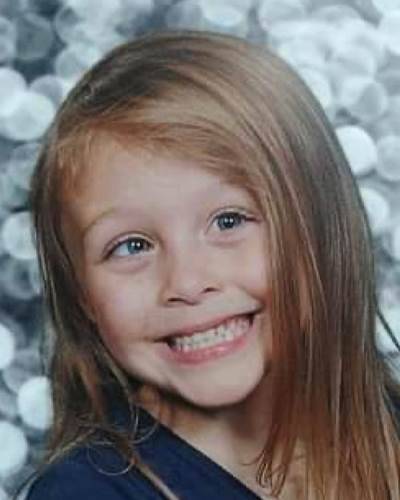
Asunta Yong Fang Basterra Porto, born in Yongzhou, Hunan, China, in 2000, was adopted at nine months old by Alfonso Basterra Camporro and María del Rosario Porto Ortega, an affluent couple from Santiago de Compostela, Galicia, Spain. She was reportedly a gifted child who studied ballet, violin, and piano.
In the months before her death, Asunta's parents divorced and reconciled their co-parenting arrangement. Teachers at her music academy reported episodes in July 2013 in which Asunta appeared drowsy and unable to perform normally; Asunta told one teacher her mother had given her a foul-tasting white powder that made her sleep for hours. An earlier incident in July, in which Rosario Porto alleged an unknown assailant tried to strangle Asunta, was never formally reported to police despite Porto initially telling another parent that she had done so.
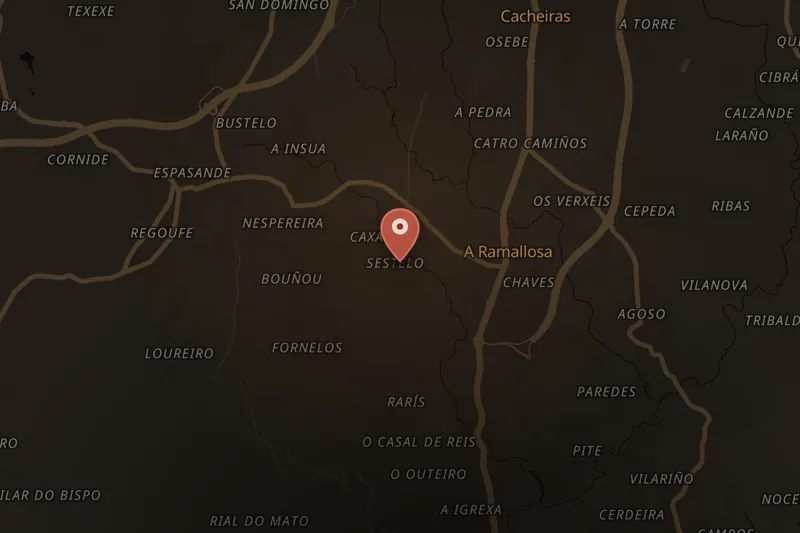
On 21 September 2013, Asunta had lunch with her father and was later seen on security cameras walking between her parents' homes. Rosario Porto initially told investigators she had left Asunta at home and driven alone to the family's country house in Teo, but CCTV footage from a gas station and other cameras contradicted this account, showing Porto and Asunta traveling together toward Teo that evening. Porto subsequently changed her account multiple times. Asunta was reported missing that night, and her body was found on a rural road near Teo in the early hours of 22 September 2013, days before her thirteenth birthday. A coroner determined she died of asphyxiation after being given at least twenty-seven lorazepam pills, more than nine times a standard adult dose, on the day of her death. Hair analysis indicated she had been dosed with lorazepam periodically for approximately three months prior.
Rosario Porto was arrested on 24 September 2013 and Alfonso Basterra was arrested the following day. The case, known as Operación Nenúfar, proceeded through a lengthy pre-trial investigation concluded in June 2014, with the trial beginning in the Provincial Court of A Coruña in late September/early October 2015 after delays in jury selection. On 30 October 2015, a jury unanimously found both parents guilty of murder, concluding that they had repeatedly and by common agreement drugged their daughter with lorazepam and that she was asphyxiated between approximately 6:00 pm and 8:00 pm on the day of her death. Both were sentenced to eighteen years in prison.
In May 2016, the High Court of Justice of Galicia revised the verdict, finding it not proven that Alfonso Basterra had been in the car with Rosario Porto during the drive to Teo, and determined that Porto alone caused the asphyxiation; it upheld Basterra's sentence for planning and collaborating in the murder. The Supreme Court upheld this ruling in October 2016.
The trial and investigation drew significant scrutiny over jury selection difficulties, contested forensic timelines, a leaked and partly fabricated media reconstruction of recorded jail conversations between the parents (later ruled inadmissible), and extensive pre-trial media coverage that defense lawyers argued had influenced public and juror opinion. Rosario Porto died by suicide in prison in November 2020. The case attracted international attention, including a statement of concern from the Chinese Ministry of Foreign Affairs, and later inspired documentaries and the Netflix drama series The Asunta Case, which premiered in April 2024.


 SOLVEDListen