Background
Police brutality had been a recurring concern in Timor-Leste since the country's independence, with prior incidents reported in Bebonuk (Dili), Praia dos Coqueiros, Ainaro (2017), Covalima (2016), Hera (2012), Delta Nova (2009), and Viqueque (2007). These earlier cases form the backdrop against which the Kulu Hun shooting occurred.
The Shooting
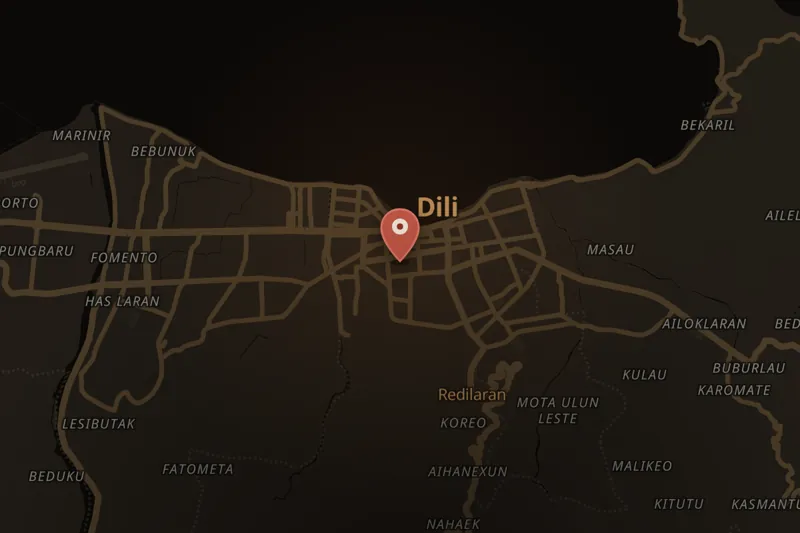
In the early morning of 18 November 2018, four off-duty police officers — identified as José Mina, and three others known by the initials FMS, AJS and AJT — were attending a *kore metan* (end-of-mourning ceremony) hosted by a colleague. All four were intoxicated and in plain clothes. Shortly after midnight, an argument broke out between two men at the gathering, and the officers attempted to intervene. During the confrontation, a power outage plunged the area into darkness. José Mina then stood on a bench and fired his service pistol into the dark crowd.
Three 18-year-old men were killed instantly: Erick Joni Robertus Bria, struck in the head; Leonildo "Leo" Eduardo Ximenes Sequeira, struck in the chest; and Luis Quevin Saldanha Belo, struck in the throat. Five other people were seriously injured in the shooting.
Aftermath
The killings provoked immediate public outrage directed at Timor-Leste's National Police, and protests broke out in Dili the day after the shooting. On 27 March 2019, José Mina was sentenced to 25 years in prison, and FMS received a 20-year sentence.
The case remained a point of reference in subsequent years amid continued concerns over police conduct. Further protests occurred after a separate fatal shooting on 5 June 2021, in which a PNTL officer fired at people in their homes in Lahane, killing Mateus "Amino" de Deus and fatally wounding his son Camilo de Deus, while critically injuring their son-in-law. That incident is referenced as part of the broader pattern of unrest linked to police shootings in Timor-Leste but is a separate case from the Kulu Hun shooting.

 ONGOINGListen