Casepin
Back to cases

Case file

Manila hostage crisis

SOLVED2010Rizal Park, Manila, Philippines3 SOURCESUPDATED JUL 2026
HK Central Statue Square Memorial 悼念菲律賓遇害香港市民 stage with flowers Aug-2010
HK Central Statue Square Memorial 悼念菲律賓遇害香港市民 stage with flowers Aug-2010 — Credit: Maethanim · CC BY-SA 3.0

On the morning of August 23, 2010, Rolando Mendoza, a 55-year-old former Philippine National Police officer, hijacked a Hong Thai Travel Services tour bus in Manila carrying 25 people — 21 from Hong Kong and four Filipinos. Mendoza, armed with a handgun and an M16 rifle, demanded reinstatement to the police force, from which he had been dismissed in February 2009 following a 2008 extortion complaint by hotel chef Christian Kalaw. He claimed he had been framed and denied a fair hearing.

Negotiations, broadcast live by Philippine, Hong Kong, and international television networks, led to the release of nine hostages over several hours. Because the bus had a television and coverage showed police movements, Mendoza was able to track officers' positions, including snipers. In the evening, after the Office of the Ombudsman denied his reinstatement request and his brother, SPO2 Gregorio Mendoza, was arrested for breaching the police exclusion zone while carrying a gun during a negotiation attempt, Mendoza became agitated. He fired warning shots, and shortly after 7:21 pm began shooting hostages, starting with tour leader Masa Tse. Bus driver Alberto Lubang escaped and told police "Everyone is dead" before being moved away. A SWAT team failed for nearly an hour to force entry into the bus; after tear gas was deployed, Mendoza stepped out and was fatally shot by snipers. Eight hostages died and 13 survived with injuries ranging from minor to serious.

Separate investigations by the Philippine and Hong Kong governments both concluded that the Philippine authorities' handling of the crisis directly contributed to the hostages' deaths. The Philippine government's Incident Investigation and Review Committee, headed by Leila de Lima, identified eight critical errors, including failure to properly activate a crisis management committee, allowing Gregorio Mendoza to join negotiations and then arresting him, an inefficient and disorganized assault, and unrestricted media coverage of police operations. The committee recommended administrative or criminal charges against 15 individuals and organizations. Hong Kong's coroner's inquest, which began in February 2011, returned a verdict that all eight victims were "unlawfully killed," attributing the deaths to Philippine authorities' incompetent handling, though it assigned no criminal or civil liability.

The incident strained relations between the Philippines and Hong Kong/China. Hong Kong issued a "black" travel alert against the Philippines, later lifted in August 2014, and revoked visa-free privileges for Philippine diplomats. Manila Mayor Joseph Estrada and members of Mendoza's family apologized to Hong Kong; President Benigno Aquino III expressed regret but declined to issue a formal state apology, describing the killings as the act of one individual. In 2014, the Hong Kong government, Philippine government, and victims' families reached an agreement under which an undisclosed sum of compensation was paid to the victims' families. On April 12, 2018, Philippine President Rodrigo Duterte publicly apologized for the incident during an official visit to Hong Kong.

Key facts

Victims
Yeung Yee-kam, Ken Leung Kam-wing, Fu Cheuk-yan, Doris Leung Chung-see, Masa Tse Ting Chunn, Wong Tze-lam, Yeung Yee-wa, Jessie Leung Song-yi
Date
2010
Location
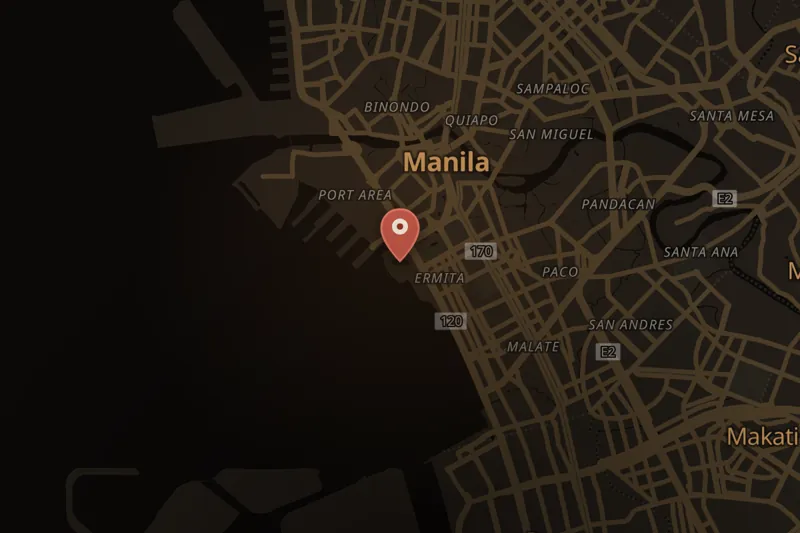
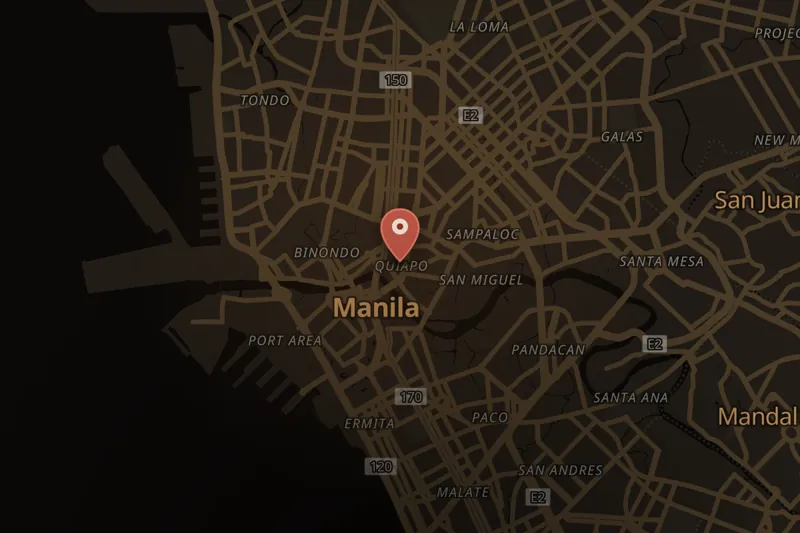
Rizal Park, Manila, Philippines
Case status
solved

Case timeline

  1. 2010-08-23

    Rolando Mendoza hijacks a tourist bus in Rizal Park, Manila, taking 25 people hostage; standoff ends with eight hostages killed and Mendoza fatally shot by police.

  2. 2010-08-25

    Bodies of the eight victims and most survivors returned to Hong Kong; National Day of Mourning declared in the Philippines.

  3. 2010-08-29

    Mendoza buried in a public ceremony in Tanauan; a march of tens of thousands held in Hong Kong to mourn victims.

  4. 2010-08-31

    Preliminary results of the Philippine government's official investigation released.

  5. 2010-09-15

    Philippine Joint Incident Investigation and Review Committee completes initial inquiry.

  6. 2010-09-20

    Investigation report delivered to the Chinese embassy in Manila before public release.

  7. 2011-02

    Hong Kong government's coroner's inquest into the deaths begins.

  8. 2011-03-31

    Deputy Ombudsman Emilio Gonzales III dismissed by President Aquino over handling of Mendoza's appeal.

  9. 2014

    Hong Kong government, Philippine government, and victims' families reach a compensation agreement.

  10. 2018-04-12

    Philippine President Rodrigo Duterte publicly apologizes for the incident during a visit to Hong Kong.

Best coverage

No approved coverage links are attached yet.

People

  • Yeung Yee-kam

    VICTIM

    Hostage killed during the crisis.

  • Ken Leung Kam-wing

    VICTIM

    Hostage killed while shielding his wife from gunfire; posthumously awarded Hong Kong's gold medal for Bravery.

  • Fu Cheuk-yan

    VICTIM

    Hostage killed during the crisis; posthumously awarded Hong Kong's gold medal for Bravery.

  • Doris Leung Chung-see

    VICTIM

    21-year-old hostage killed during the crisis.

  • Masa Tse Ting Chunn

    VICTIM

    Tour guide killed during the hostage-taking; posthumously awarded Hong Kong's gold medal for Bravery.

  • Emilio Gonzales III

    CHARGED

    Deputy Ombudsman dismissed by President Aquino for delay in handling Mendoza's appeal; dismissal later declared unconstitutional by the Supreme Court in January 2014.

  • Wong Tze-lam

    VICTIM

    Hostage killed during the crisis.

  • Yeung Yee-wa

    VICTIM

    Hostage killed during the crisis.

  • Jessie Leung Song-yi

    VICTIM

    14-year-old hostage killed while shielding her brother.

  • Rolando del Rosario Mendoza

    CONVICTED

    Former Philippine National Police officer identified by ballistic evidence as responsible for killing the eight hostages; shot dead by police at the scene, so no criminal prosecution occurred, but investigative findings attributed the deaths to his gunfire.

Roles reflect public records and court outcomes at the time of writing — supporting citations are on file under Sources.

Archival records

  • 2010 Manila hostage crisis bus

    crime scene press

    2010 Manila hostage crisis bus

    Credit: Sakuradate · CC BY-SA 3.0 · Source

  • HK Central Statue Square Memorial 悼念菲律賓遇害香港市民 stage with flowers Aug-2010

    archival location

    HK Central Statue Square Memorial 悼念菲律賓遇害香港市民 stage with flowers Aug-2010

    Credit: Maethanim · CC BY-SA 3.0 · Source

Places

Common questions

What happened to the victim?
On August 23, 2010, former police officer Rolando Mendoza hijacked a tourist bus in Rizal Park, Manila, holding 25 people hostage. After a ten-hour standoff broadcast live worldwide, negotiations collapsed and Mendoza killed eight hostages before police stormed the bus and fatally shot him.
Where did the crime happen?
Rizal Park, Manila, Philippines.
Who was convicted?
Rolando del Rosario Mendoza (Former Philippine National Police officer identified by ballistic evidence as responsible for killing the eight hostages; shot dead by police at the scene, so no criminal prosecution occurred, but investigative findings attributed the deaths to his gunfire.).
What is the current status of the case?
Status: solved.

Sources

  1. Manila hostage crisiswikipedia · Wikipedia · 2026-07-07
  2. Contemporaneous coverage — BBC Newsnews · BBC News · 2026-07-07
  3. Contemporaneous coverage — international.gc.canews · international.gc.ca · 2026-07-07