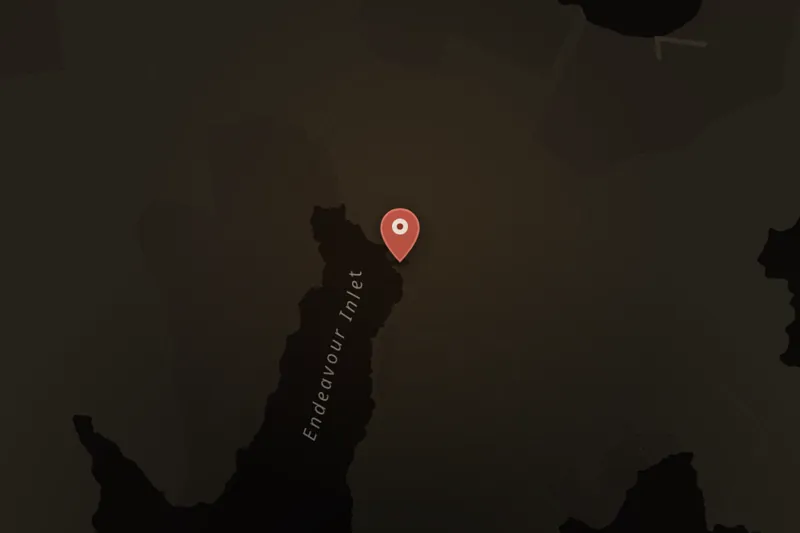
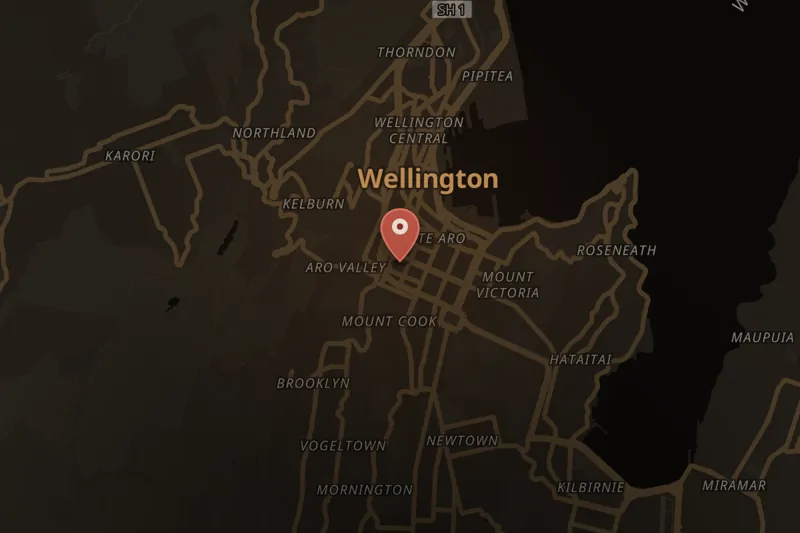
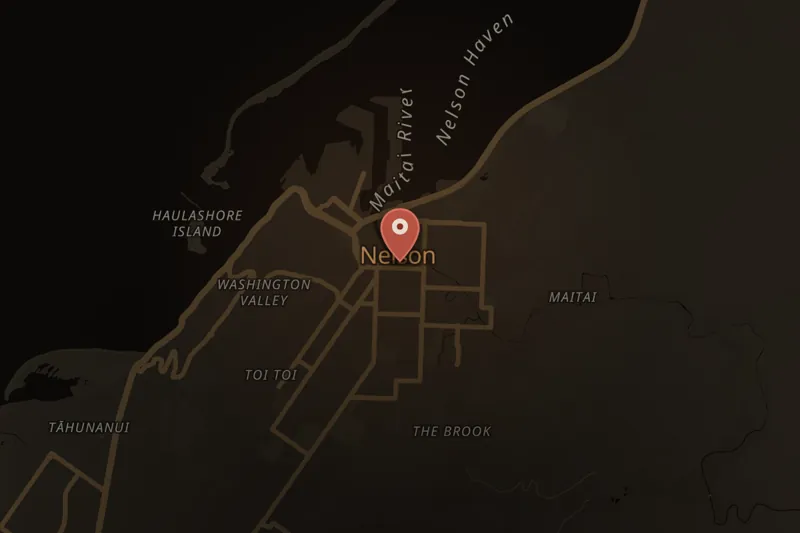
The Maungatapu murders were two attacks on the Maungatapu track near Nelson, on the South Island of New Zealand, that killed five people on 12 and 13 June 1866. Four men, described in the source as the Burgess Gang, were charged. One was pardoned after giving information that led to the conviction of the other three, who were hanged. The men charged were Richard Burgess, Joseph Thomas Sullivan, Philip Levy, and Thomas Kelly. The five victims were James Battle, George Dudley, John Kempthorne, James de Pontius, and Felix Mathieu.
According to the source, Burgess and Kelly had met in jail in Australia and later reunited in New Zealand during the Otago gold rush. After a period of imprisonment in Dunedin Gaol, from which they were released in September 1865, they formed partnerships with Sullivan and with Levy, whom Burgess had known previously. The group sailed to Nelson, landing on 6 June 1866 with a stated plan to rob banks in the area. Those plans were abandoned, and the group moved to Canvastown, a village reached through the Maungatapu track.
The source states that Levy had learned four businessmen intended to carry gold and money to a bank in Nelson and to travel together on 12 June. The gang positioned itself along the track at a spot later called Murderers' Rock. On 12 June, flax grower James Battle was returning to Nelson; the gang robbed him and then killed him and buried him. The next day, at about 1:00 pm, Dudley, Kempthorne, de Pontius, and Mathieu were held up, bound, robbed, and killed. The group also shot the horse the party had been travelling with, burned belongings, and returned to Nelson that night.
When one of the victims' associates failed to meet the party in Nelson and could not locate them, he alerted people in Canvastown, and a local resident rode to Nelson to notify police. The investigation began on 18 June, and Levy was arrested that evening; Burgess, Sullivan, and Kelly were arrested the following day. Investigators noted that the men had arrived in Nelson with little money yet spent freely. On 28 June, Sullivan made a full statement in response to an offered pardon and reward; the bodies of the Mathieu party were found on 29 June, and Battle's body was found on 3 July. The five victims were buried in a mass grave at Wakapuaka Cemetery.
The trial ran from 12 to 18 September 1866. Burgess, Levy, and Kelly were found guilty of murder and sentenced to death. Sullivan received immunity on those charges but was separately tried for the murder of James Battle, found guilty, and sentenced to death; that sentence was later commuted to life imprisonment. Burgess, Levy, and Kelly were hanged on 5 October 1866. Sullivan was imprisoned and later received a conditional pardon requiring him to leave New Zealand. The source notes that evidence of his death in Auckland in 1921 is debated.


 Credit: Archives New Zealand from New ZealandCC BY-SA 2.0SourceUNSOLVEDListen