Background
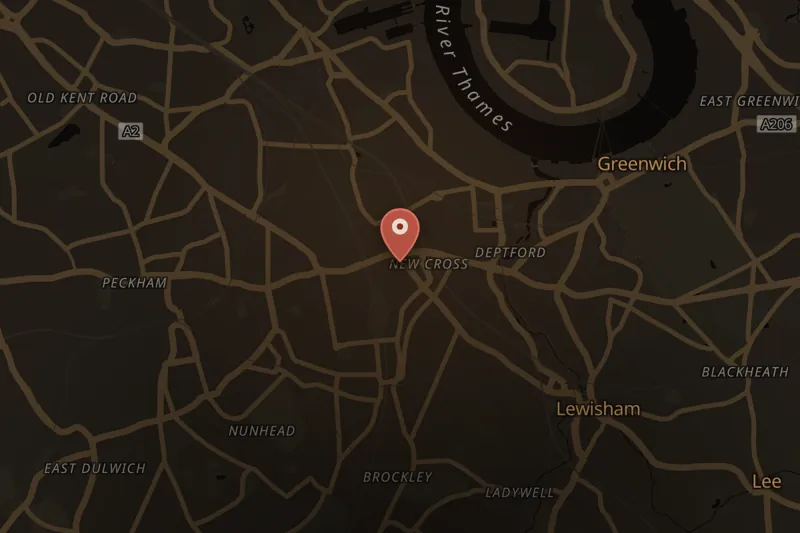
Harriet Richardson was the daughter of an Essex clergyman who died when she was twelve; she inherited £5,000 from a great-aunt's will and was reportedly of limited mental capacity. Louis (or Lewis) Staunton, an auctioneer's clerk from Streatham born around 1851, met Harriet through a family connection while involved with fifteen-year-old Alice Rhodes, whose older sister Elizabeth was married to Louis's brother Patrick Staunton. Harriet's mother, Mrs Butterfield, opposed the match and unsuccessfully sought to have Harriet declared a lunatic under Court of Chancery protection. Louis and Harriet married at Clapham in June 1875, after which Mrs Butterfield was cut off from contact with her daughter.
Crime
In March 1876, Harriet gave birth to a son, Thomas Henry. Louis bought a house, Little Grays, near Cudham in Kent, and by August was living there with Alice Rhodes, while Harriet and the infant were sent to live nearby at Frith Cottage with Patrick and Elizabeth Staunton. Mother and child were confined to a bare upstairs room, and Harriet was reportedly deterred from leaving by threats of violence from Patrick. An October 1876 escape attempt ended with Harriet being forcibly restrained and assaulted. In early 1877 the infant became gravely ill and was taken to Guy's Hospital on 8 April 1877, where he died the same day, severely malnourished and bearing a bruise suggestive of abuse. On 12 April 1877, Harriet was moved to a lodging house in Penge, arriving in a severely weakened state, and she died there on 13 April 1877. Her death certificate initially cited "cerebral disease" or "apoplexy."
Investigation
Suspicion was raised by Harriet's brother-in-law, Louis Casabianca, who reported concerns to police after encountering Louis Staunton at a post office. An inquest found Harriet's body filthy, severely malnourished, and infested with lice, weighing five stone four pounds; the cause of death was recorded as starvation and neglect. Louis Staunton, Patrick Staunton, Elizabeth Staunton, and Alice Rhodes were arrested and charged with murder, and the case drew significant public attention.
Trial and review
In September 1877, the four defendants were tried at the Old Bailey before judge Henry Hawkins. The defence, led by Edward Clarke, argued Harriet's malnourishment stemmed from alcoholism, and medical witnesses suggested she had died of meningitis and tuberculosis. The jury found all four guilty, and they were sentenced to death. The verdict prompted a letter to The Lancet signed by seven hundred physicians objecting to the treatment of medical evidence, and a public campaign, led by novelist Charles Reade, alleged bias by Hawkins. Home Secretary R. A. Cross reviewed the case: Alice Rhodes was pardoned and released immediately, and the other three had their sentences commuted to life imprisonment. Patrick Staunton died in prison; Elizabeth was released in 1883; Louis Staunton was released in 1897, maintaining his innocence, and emigrated to Australia.



 OVERTURNEDListen