Hatun Sürücü, sometimes recorded as Hatun "Aynur" Sürücü, was born on 17 January 1982 to Kerem, a gardener's assistant from the village of Uzunark in Turkey's Erzurum Province, and Hanım, from the nearby village of Marifet. She was part of a Kurdish family living in Berlin. At age 16 she was sent to Istanbul and forced to marry a cousin; she gave birth to a son, Can, in 1999. That October she left her parents' home in Berlin and found refuge in a home for underage mothers. She went on to divorce her husband, attend school, and move into her own apartment in Berlin's Tempelhof neighbourhood. By early 2005 she had also begun a relationship with a German man and was nearing the end of training to become an electrician.
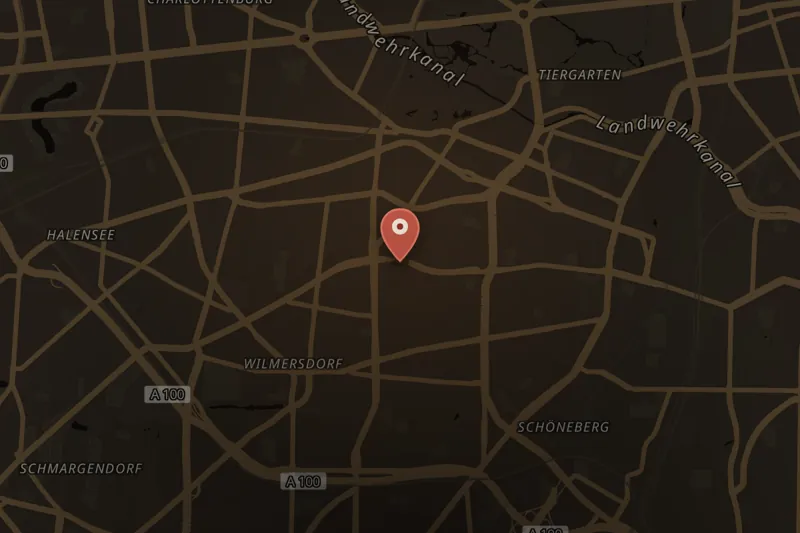
On 7 February 2005, Sürücü was shot three times in the head at a bus stop near her apartment. She was 23 years old. Police arrested three of her brothers a week later, on 14 February. Sürücü had reported threats to police before she was killed, and in the weeks that followed, news coverage increasingly described the killing as an "honour killing" — by report the sixth such killing in Germany since October 2004.
In July 2005, Berlin prosecutors charged Sürücü's three brothers with her murder. On 14 September 2005, the youngest, Ayhan Sürücü, confessed to killing his sister. In April 2006 a Berlin court sentenced Ayhan to nine years and three months in prison; his two older brothers were acquitted of conspiring in the killing. Prosecutors immediately appealed to Germany's Federal Court of Justice, the Bundesgerichtshof, whose fifth criminal division overturned the verdict and ordered a new trial, set for August 2008. Ayhan Sürücü ultimately completed a prison sentence and, on 4 July 2014, was released and deported from Germany to Turkey.
The killing drew wide public attention in Germany. A vigil organized by a Berlin gay and lesbian association was held at the crime scene on 22 February 2005, drawing about 100 Germans and Turks together; a second vigil followed on 24 February, called for by politicians and artists. The case, along with similar killings elsewhere in Europe, was cited by opponents of Turkey's admission to the European Union. Sürücü's Kurdish background also entered the public debate; Kurdish politician Giyasettin Sayan said no Kurdish representatives had been invited to the demonstrations held after her death. Controversy continued when Sürücü's sister, Arzu, sought custody of Hatun's six-year-old son, Can, who had been in foster care since the murder; a Berlin-Tempelhof district court rejected the request, and a subsequent appeal was also denied. A bridge in Berlin's Neukölln district was later named for Sürücü, and the case inspired two films, Die Fremde (When We Leave) in 2010 and A Regular Woman in 2019. Activists and members of the public continue to mark the anniversary of her death with memorials and campaigns against forced marriage and honour-related violence.



 SOLVEDListen