James Byrd Jr. was a 49-year-old African American man who lived in Jasper, a small town in southeast Texas. On the night of June 7, 1998, he accepted a ride from three men, one of whom he knew, while walking home. Rather than taking him home, the men drove him to an isolated rural road, assaulted him, chained him by the ankles to the back of a pickup truck, and dragged him along the roadway. Byrd was killed during the attack, and his body was left near a cemetery. He was survived by his parents, children, and siblings, and was widely known in his community.
Investigators quickly identified three suspects: John William King, Lawrence Russell Brewer, and Shawn Allen Berry. Evidence gathered at the scene and from the defendants' belongings linked them to the crime. Two of the men, King and Brewer, had embraced white supremacist ideology, in part during earlier prison terms, and bore related tattoos and literature. Authorities and prosecutors characterized the killing as a racially motivated hate crime, and the case drew national attention as one of the most notorious acts of racist violence in the United States in the late twentieth century.
The three defendants were indicted on capital murder charges in July 1998 and tried separately. In 1999, King and Brewer were each convicted and sentenced to death. Berry, who cooperated with investigators and was not shown to share the same extremist affiliations, was convicted and sentenced to life imprisonment, with parole eligibility in 2038. Brewer was executed in 2011, and King was executed in 2019. Their cases were notable as among the few in modern Texas history in which white defendants received death sentences for killing a Black victim.
The murder had a lasting effect on public policy and on Byrd's community. In 2001, Texas enacted the James Byrd Jr. Hate Crimes Act, strengthening penalties for crimes motivated by a victim's race, religion, or other protected characteristics. In 2009, the federal Matthew Shepard and James Byrd Jr. Hate Crimes Prevention Act expanded existing federal hate crime law to cover offenses motivated by a victim's gender, sexual orientation, gender identity, or disability. Members of Byrd's family became advocates for racial reconciliation and against hate-motivated violence, and the town of Jasper undertook public efforts toward healing in the years that followed.


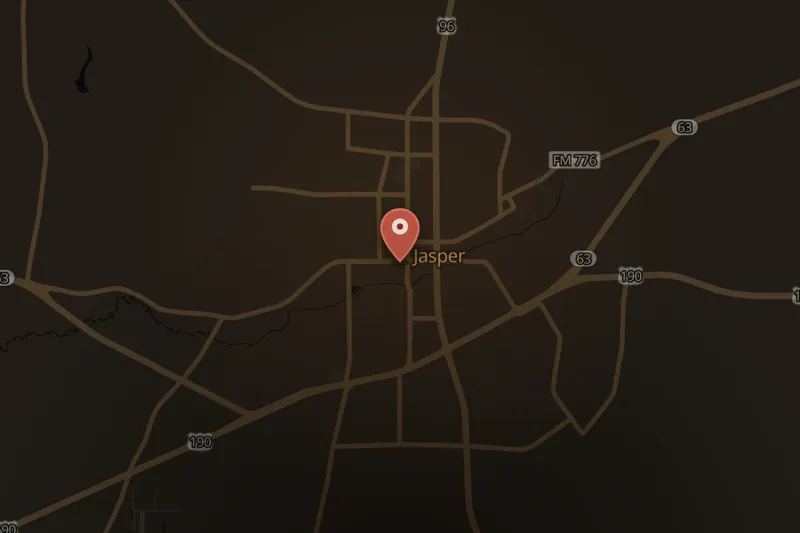
 Image recordCC BY-SA 3.0SourceSOLVEDListen
.jpg)