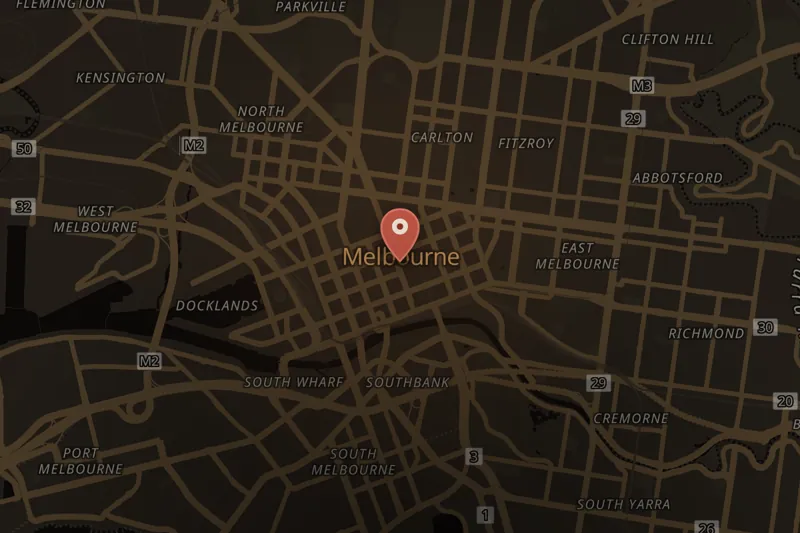
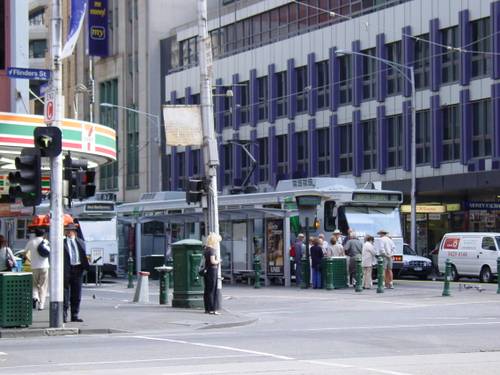
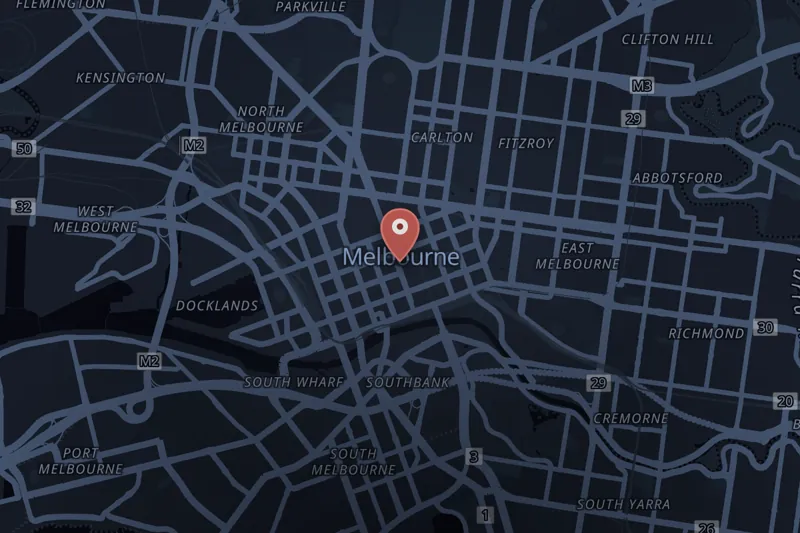
Keith William Allan (19 November 1946 – c. 28 May 2000) was an Australian solicitor who practised at Avondale Heights, a western suburb of Melbourne in the City of Moonee Valley. He was educated at Northcote High School and the University of Melbourne, where he obtained a Bachelor of Laws. He was a cousin of Jacinta Allan, Victorian premier since 2023, as well as of former test cricketer Graham Yallop and former Australian rules footballers Ken Turner, Jamie Turner and Max Oppy.
Allan's murder was a contract killing planned by Julian Michael Clarke, who worked for Allan and had been stealing substantial sums of money from his employer's solicitor trust account. Much of the stolen money was gambled at the high-roller Mahogany Room of Crown Casino.
The plan was for Allan to be killed, his body disposed of, and for him to be treated as a missing person. Clarke paid Costas Athanasi, an active drug dealer, about $93,000 to organise the murder. Athanasi in turn engaged his long-time friend Sudo Cavkic to carry it out. The scheme was disrupted when two Senior Constables, Michael Strongman and Travis McCarthy, apprehended Cavkic driving Allan's blue Mercedes Benz in a dead-end street at Altona Meadows, another western Melbourne suburb.
Cavkic, Athanasi and Clarke were tried and convicted for Allan's murder following three trials before the Supreme Court of Victoria. Jack Collins, an Australian football figure and personal friend of Allan, gave evidence at the trials. The case attracted considerable media attention, particularly from the Geelong Advertiser, owing to Clarke's former residence in Geelong. It is notable as an example of a murder conviction obtained without a body, as Allan's remains have never been located.
The first trial, in 2004, resulted in a guilty verdict that was later annulled. In 2005, the Victorian Court of Appeal set aside that verdict and ordered a retrial because the trial judge had failed to properly answer a jury question about whether "reasonable doubt" could be expressed as a percentage. The case became significant in Australian law for establishing that the standard of beyond reasonable doubt should not be expressed as a percentage, unlike the civil standard of balance of probabilities.
The second trial, in 2006, resulted in a hung jury. In 2007, a third trial found all three men guilty again, and Justice Coldrey sentenced them to terms ranging from nineteen to twenty-three and a half years. The Court of Appeal dismissed a further appeal in March 2009, and the High Court of Australia refused special leave to appeal on 11 December 2009.

 Credit: Adam.J.W.C.CC BY-SA 2.5SourceSOLVEDListen