
Start here
THE (SORT OF) SOLVED CASE OF MARK TILDESLEY | MIDWEEK MYSTERY

Georgia Marie's 26-minute breakdown, the fullest single telling on file.
Watch on YouTubeBefore you continue
This case involves sexual violence and crimes against children. Casepin presents the record in neutral, non-graphic language. Choose whether to continue.
Solved case · 1984
Also known as Mark Tildesley's murder · Mark Tildesley murder
The short answer
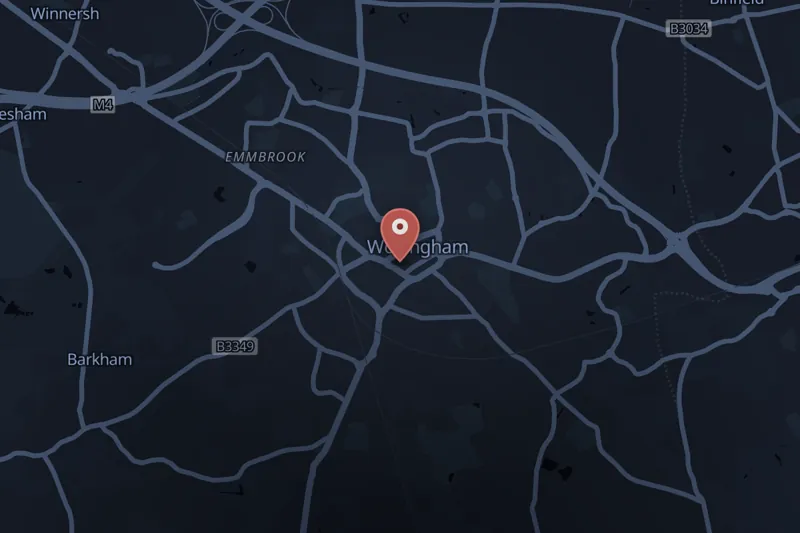
Seven-year-old Mark Tildesley disappeared from a funfair in Wokingham, Berkshire, on 1 June 1984. Six years later, investigators established he had been abducted and murdered by a paedophile gang. Leslie Bailey pleaded guilty to manslaughter in 1992 and was later murdered in prison; Tildesley's body has never been found.
Start hereTHE (SORT OF) SOLVED CASE OF MARK TILDESLEY | MIDWEEK MYSTERYGeorgia Marie · 26 minThe coverage index
1 piece from 1 creator: ranked, with duplicates removed and short clips set aside.
Start here
Video · YouTube · 26 min · 2018
Georgia Marie's 26-minute breakdown, the fullest single telling on file.
Watch on YouTubeTitles and descriptions are the creators’ own and may not reflect current legal status. The sourced facts are in the file below. Players load only when you press play. Suggest coverage we’re missing.
The case file
Mark Anthony Tildesley, a seven-year-old pupil at Palmer C of E Junior School in Wokingham, Berkshire, disappeared on the evening of 1 June 1984 while heading alone to the Frank Ayers Fun Fair on Carnival Field. Earlier that day a man had given him 50p and promised to pay for him to ride the dodgems at the fair that evening. When Tildesley failed to return home by his promised time, his parents found his bicycle chained near the fairground entrance, and his mother reported him missing to police at 10pm.
Thames Valley Police mounted a large search involving officers, a helicopter, tracker dogs, cadaver-detection equipment borrowed from the Metropolitan Police, and, on the weekend of 9–10 June 1984, 100 British Army soldiers from Arborfield Garrison. Witnesses reported seeing a boy matching Tildesley's description being forcibly dragged from the fairground by a "stooping man." A national poster campaign was launched and the case featured on the first-ever episode of Crimewatch UK on 7 June 1984, generating hundreds of calls, and again in a 1985 reconstruction that drew over 1,000 calls. Despite this, the initial investigation was hampered by staff shortages linked to the 1984–1985 miners' strike, and by October 1984 the inquiry was being wound down without result. Early suspects, including Tildesley's brother and a fairground worker who gave an unreliable confession, were ruled out. Sidney Cooke, a fairground worker interviewed by police in August 1984, was also eliminated as a suspect at the time after providing an alibi.
The case was reopened after being linked to the Metropolitan Police's 1989 Operation Orchid, an inquiry into missing children led by Detective Chief Superintendent Roger Stoodley. In December 1990, convicted paedophile Leslie Bailey — already charged in other child murders — confessed to his own involvement and alleged that Tildesley had been abducted from the fairground, driven to a caravan on farmland known as The Moors, and murdered there by a gang that also included Cooke, Bailey's lover Lennie Smith, and a fourth relative referred to as "Odd Bod."
On 18 October 1991, Bailey was charged with Tildesley's murder. On 22 October 1992, he pleaded guilty at Reading Crown Court to the lesser charge of manslaughter and one charge of buggery, receiving two life sentences on 9 December 1992. The trial judge publicly named Cooke and Smith as alleged participants, though neither was charged, as the Crown Prosecution Service considered Bailey's confession insufficient for a successful prosecution against them. "Odd Bod" was also never charged, on account of his mental age. Bailey was murdered by fellow inmates at HM Prison Whitemoor on 7 October 1993. Smith died in prison in 2006. Cooke has never admitted involvement and has not disclosed the location of Tildesley's body, which despite police digs in 1991 and later searches has never been recovered. Memorials to Tildesley include a bench near the former fairground site and a headstone at a Wokingham burial ground, both dedicated in early 1993.
22 dated entries · 1976–2019
Mark Anthony Tildesley born in Berkshire.
Tildesley's school breaks up for half-term; the Frank Ayers Fun Fair arrives in Wokingham.
Tildesley disappears after leaving home for the funfair; reported missing to police at 10pm.
Tildesley's disappearance featured on the premiere episode of Crimewatch UK; two anonymous tips name a fairground worker who later gives an unreliable confession.
Search of south Wokingham begins involving police, tracker dogs and British Army soldiers.
Metropolitan Police interview fairground worker Sidney Cooke, who is eliminated as a suspect after providing an alibi.
Thames Valley Police begin winding down the investigation for lack of new information.
Second Crimewatch UK reconstruction airs, drawing over 1,000 calls.
Press reports possible link to other attempted abductions in Wokingham; later dismissed.
Tildesley's disappearance is linked to the Metropolitan Police's Operation Orchid investigation into missing children.
Leslie Bailey confesses to Operation Orchid investigators, implicating a gang in Tildesley's abduction and murder.
Police dig at The Moors farmland site following Bailey's confession; nothing found.
Leslie Bailey charged with the murder of Mark Tildesley.
Bailey pleads guilty at Reading Crown Court to manslaughter and one charge of buggery.
Bailey sentenced to two life sentences.
Memorial service held and headstone erected for Tildesley in Wokingham.
Leslie Bailey murdered by two fellow inmates at HM Prison Whitemoor.
Police refuse to re-question Cooke or dig up a nearby golf course in search of remains.
Lennie Smith dies in prison.
A human skull fragment found near Evendons Lane is determined not to be Tildesley's.
Former Operation Orchid officer Roger Stoodley alleges a cover-up by the Metropolitan Police over the case.
Tildesley's family makes a public appeal urging Cooke to reveal the location of the body.
5 named in this file
Victims first. Every legal label is set from public records and court outcomes, not from the prose.
Seven-year-old boy abducted from a Wokingham funfair on 1 June 1984 and murdered; his body has never been found.[3]
Charged with Tildesley's murder in 1991; pleaded guilty in 1992 to manslaughter and one charge of buggery, receiving two life sentences. Murdered by fellow inmates in prison in 1993.[3]
Detective Constable who led the initial investigation into Tildesley's disappearance.[3]
Detective Superintendent who led early public statements on the Thames Valley Police investigation into Tildesley's disappearance.[3]
Detective Chief Superintendent who led the Metropolitan Police's Operation Orchid investigation into missing children, which uncovered the circumstances of Tildesley's murder.[3]
From the record
3 cited
Coverage is not a source: every fact in this file rests on the records below.
PressBBC NewsAccessed Jul 10, 2026
PressThe IndependentAccessed Jul 10, 2026
EncyclopedicWikipediaAccessed Jul 10, 2026
Trust
Are you family of someone named in this file? Corrections and removal requests from victims’ families are prioritized.
Near this case
 UNSOLVEDListen
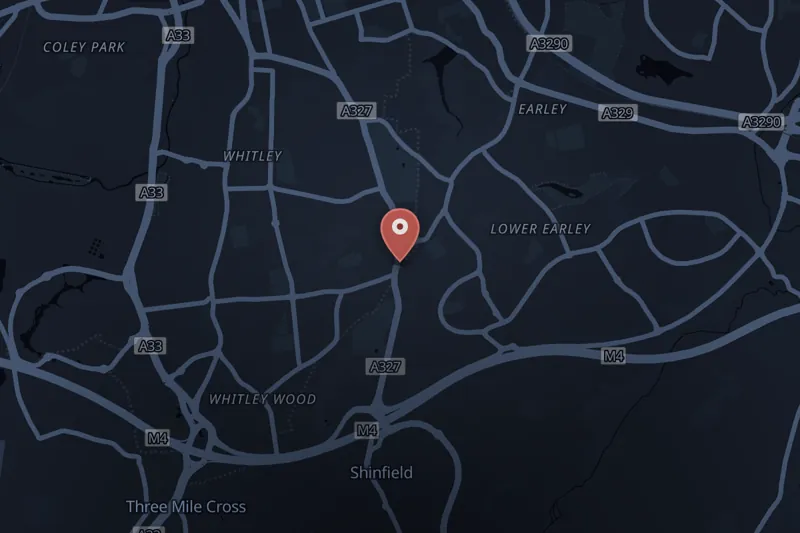
Near Shinfield/Arborfield, Reading, Berkshire, England · 1990s
Vera Holland, 47, disappeared while walking to a KFC restaurant in Reading, Berkshire, on 14 November 1996. Her strangled and burned body was found two days later at an illegal fly-tipping site nearby. Despite a large police investigation, her killing remains unsolved.
 SOLVEDListen
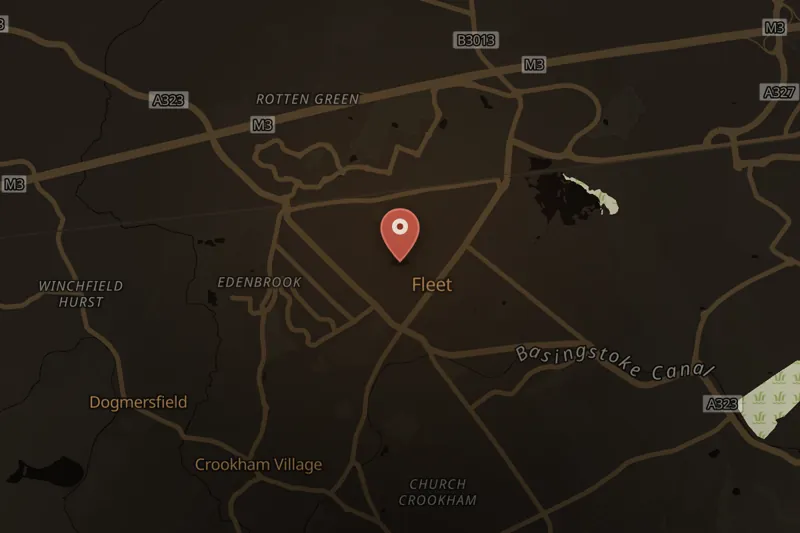
Laffans Road, near Basingstoke Canal, Fleet/Farnborough, Hampshire, UK · 1980s
Marion Crofts, 14, was abducted, raped, and killed while cycling to band practice in Fleet, Hampshire on 6 June 1981. The case went unsolved for over two decades until DNA evidence identified former soldier Tony Jasinskyj, who was convicted of her rape and murder in 2002.
 SOLVEDListen
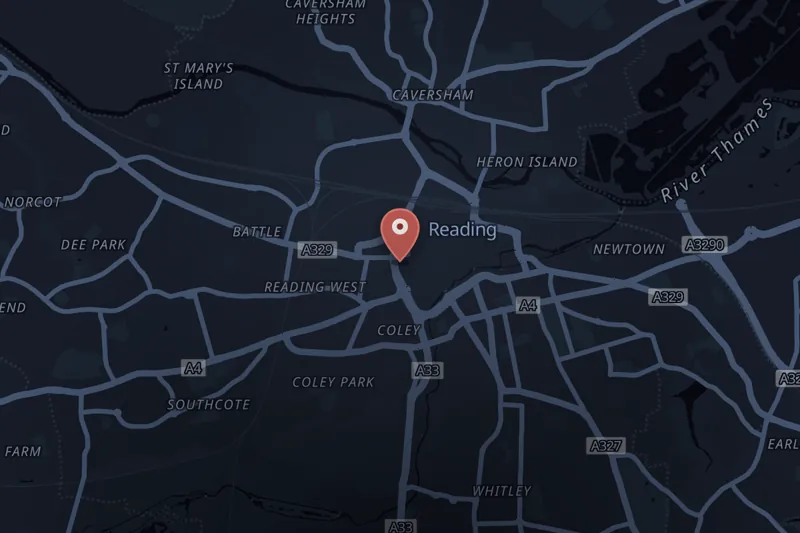
Prospect Park, Reading, Berkshire, UK · 2000s
On 7 May 2005, 16-year-old Mary-Ann Leneghan was kidnapped, raped, and stabbed to death in Prospect Park, Reading, after hours of assault at a local hotel; her 18-year-old friend was shot in the head but survived. Six men were later convicted and given life sentences.
 Credit: Jgb23·CC BY-SA 4.0·SourceSOLVEDListen
Blacktown / Prospect, New South Wales, Australia · 1986
Anita Cobby, a 26-year-old nurse, was abducted while walking home from Blacktown railway station in Sydney on 2 February 1986, then raped, tortured and murdered by five men. Her body was found two days later; all five perpetrators were convicted in 1987 and sentenced to life imprisonment without parole.
 Credit: Professional portrait, most likely commissioned by the subject's parents·Public domain·SourceCOLDListen
Midlothian, Illinois · 1988
Seven-year-old Jaclyn Dowaliby was abducted from her Illinois home in 1988 and found strangled days later; the killing remains unsolved.
 Credit: FBI·Public domain·SourceSOLVEDListen
Marshallville, Ohio (abduction site); dump site near Loudonville, Holmes County, Ohio · 1982
Eleven-year-old Krista Harrison was abducted while collecting cans in Marshallville, Ohio, on July 17, 1982, and found murdered six days later in Holmes County. Robert Anthony Buell was convicted of her murder in 1984 and executed in 2002.
Also covered by
 Credit: Family handout via Suffolk News·Editorial use·SourceCOLDListen
Bury St Edmunds, Suffolk, England · 2016
Royal Air Force gunner Corrie McKeague disappeared after a night out in Bury St Edmunds in September 2016, and a 2022 inquest concluded he died after climbing into a waste bin that was tipped into a bin lorry, though his remains were never found.
El Pianista trail, near Boquete, Panama · 2014
Two Dutch students, Kris Kremers and Lisanne Froon, disappeared while hiking a jungle trail in Panama in April 2014, and their remains were recovered along a riverbank months later, but no official cause of death has ever been established.
 Credit: Argonne National Laboratory / Wikimedia Commons, c.1922–23·Public domain·SourceSOLVEDListen
Orange, New Jersey · 1917
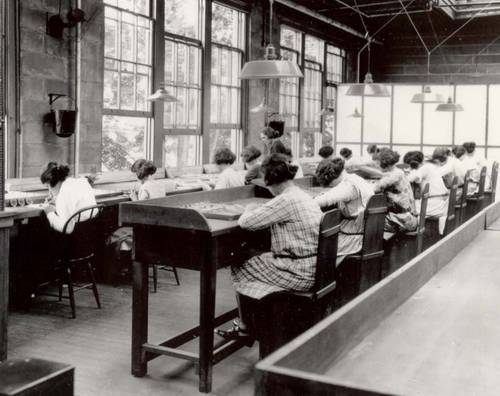
Beginning in 1917, factory workers who came to be known as the Radium Girls were poisoned after being instructed to shape radium-paint brushes with their lips; the resulting illnesses, deaths, and lawsuits against the United States Radium Corporation and the Radium Dial Company reshaped U.S. occupational health and labor law.
