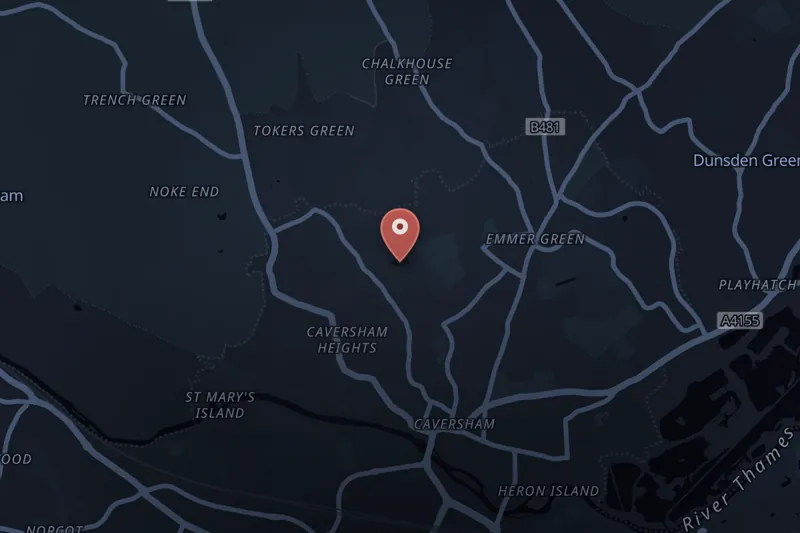
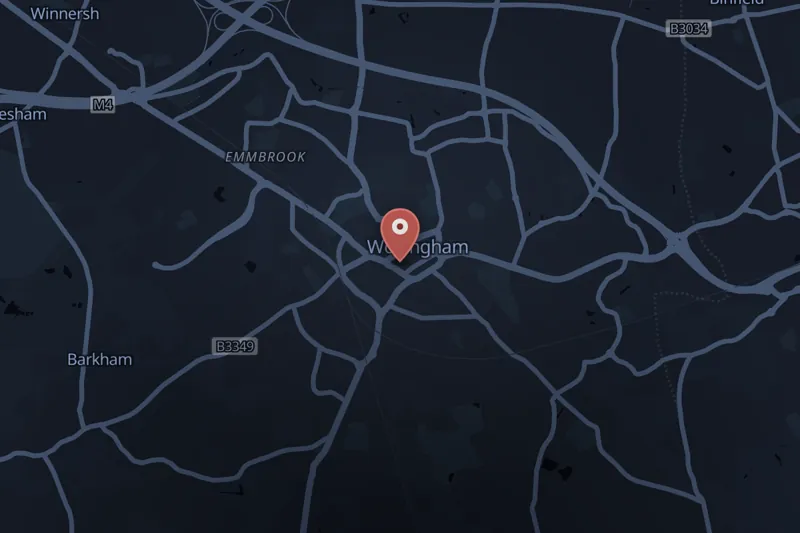
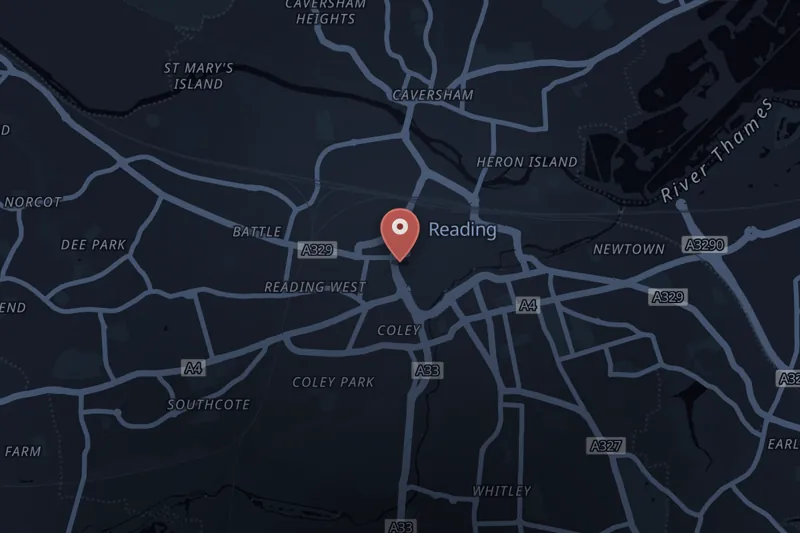
On the evening of 14 November 1996, Vera Holland, 47, left her home on St Barnabas Road in Shinfield Rise, south Reading, Berkshire, to make what should have been a three-minute walk to a KFC restaurant on Shinfield Road. She never arrived, and there was no sign of her on CCTV at the restaurant. Her husband, Brian Holland, with whom she ran a milk delivery round in Wokingham, reported her missing later that night after she failed to return home.
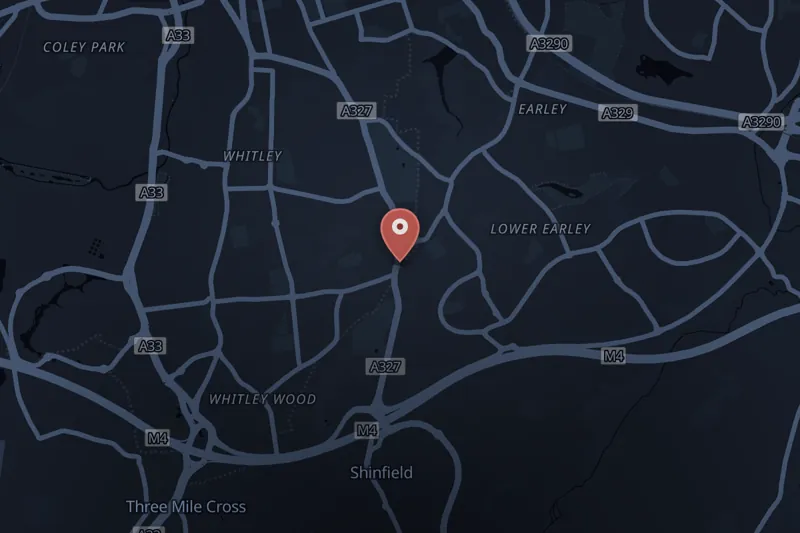
At around 5:30 am on 16 November 1996, a member of the public alerted the fire service to a blaze beside the A327 between Shinfield and Arborfield, at an illegal fly-tipping site known as Two Bridges, roughly three miles from Holland's home. Once the fire was extinguished, her body was found wrapped in a carpet. Traces of her blood were found on the carpet, and she was partially clothed in her undergarments; the other clothing she had been wearing when she disappeared was found among the burning pile. A post-mortem determined she had died of strangulation and had bruising to her face; there was no evidence of sexual assault.
Thames Valley Police mounted a substantial investigation, involving 80 officers in the first year, interviewing 1,669 people, taking 777 statements, and distributing over 100,000 appeal leaflets. Brian Holland underwent fingerprint and blood testing, and the family home was sealed for three days while more than 100 forensic samples were removed. Police also examined several vehicle sightings near the scene, including a light-coloured Ford Fiesta, a white Transit van, and a black Ford Granada.
In February 1997, police appealed for information about the specific carpet in which Holland's body had been wrapped, describing its dimensions, markings, and indications that it had previously been stored outdoors. They believed her body had been kept elsewhere for more than a day before being taken to the fly-tip site on the evening of 15 November.
On 17 December 1996, Holland's second husband and his wife, who lived nearby, were arrested and questioned for 13 hours before being released on bail. In January 1997, Brian Holland was arrested in connection with his wife's death, held for a day, and then released on police bail; in March 1997 he threatened legal action against Thames Valley Police over its handling of the case. No one has been arrested or charged in connection with Holland's death since.
An inquest on 16 October 1997 recorded a verdict of unlawful killing. The East Berkshire coroner, Robert Wilson, remarked that "it looks like the person who did this will get away with it."
In November 2016, on the 20th anniversary of her death, two of Holland's children renewed a public appeal for information alongside Thames Valley Police. Around the same time, police were asked about a possible link to imprisoned serial killer Christopher Halliwell; an officer leading the force's major crime review team said he would "keep Halliwell in mind." In January 2017, police said new witnesses had come forward, prompting further investigation, though no arrests resulted.

 SOLVEDListen