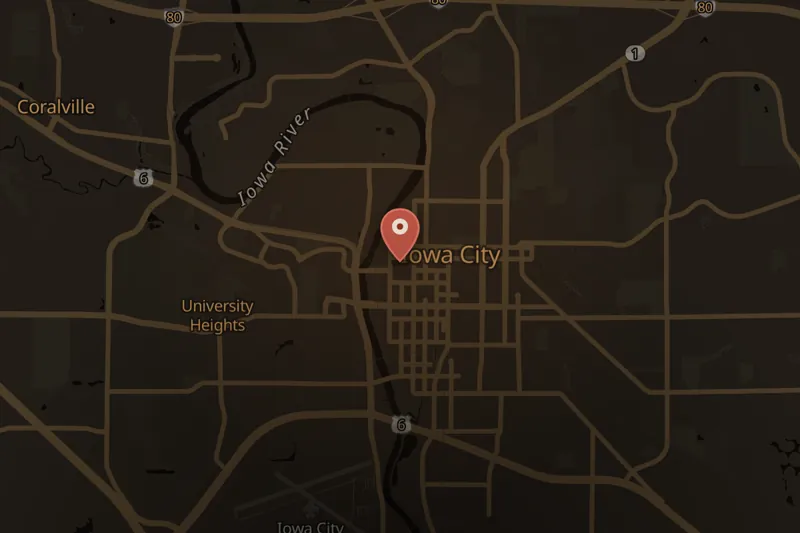
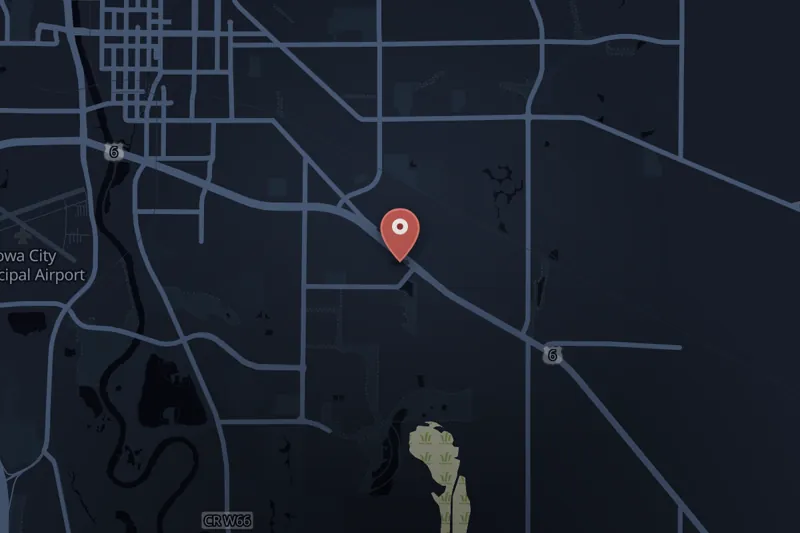
Shao Tong, a 19-year-old Chinese undergraduate studying chemical engineering at Iowa State University (ISU), was reported missing on September 18, 2014, after she failed to return from a weekend trip with her boyfriend, Li Xiangnan, a University of Iowa student. She had last been seen alive on September 6, 2014, near a hotel outside Nevada, Iowa. On September 26, 2014, police discovered a decomposing body in the trunk of Shao's car, parked at an apartment complex in Iowa City where Li lived. The body was later confirmed to be Shao's. An autopsy determined the cause of death to be homicide by asphyxiation, with blunt force trauma also noted; her head had been wrapped in a towel consistent with those from the hotel where the couple had stayed, and a barbell was found near the body in the trunk.
Investigators found that after the couple checked out of the hotel on September 7, someone using Shao's phone sent messages to her friends claiming she was traveling to Minnesota, while Li flew from Cedar Rapids to Chicago and on to Beijing on September 6–7. Evidence in Li's apartment, including spoiled groceries and left-behind luggage, suggested a hurried departure. Police named Li a person of interest and were unable to locate him, later confirming he had cleared customs in Beijing on September 10, 2014. The case drew significant attention on Chinese social media platforms including Sina Weibo and WeChat, where users circulated Li's photograph under the hashtag #FindLi.
In early 2015, the Johnson County district attorney's office in Iowa charged Li with first-degree murder and obtained an arrest warrant. Chinese authorities, including detectives from Wenzhou, traveled to Iowa to review the crime scene and evidence, and subsequently charged Li with intentional murder under Chinese law, which permits prosecution of Chinese citizens for crimes committed abroad. Li surrendered to police in his native Wenzhou in May 2015. Because no extradition treaty exists between the United States and China, and China does not extradite its own citizens, the case was prosecuted in China.
In March 2016, Li pleaded guilty in the Intermediate People's Court in Wenzhou, describing his actions as "irrational and impulsive" and stating he could not cope with Shao having relationships with other men, though he denied premeditation. Iowa investigators who traveled to China to observe the proceedings stated they believed the killing had in fact been planned, including an original intention to sink Shao's body in the Skunk River, a plan abandoned due to the river's shallowness. Li's parents paid Shao's family approximately US$300,000 in compensation. In August 2016, Li was sentenced to life imprisonment, a sentence that could potentially be reduced to a minimum term of 13 years.

 SOLVEDListen