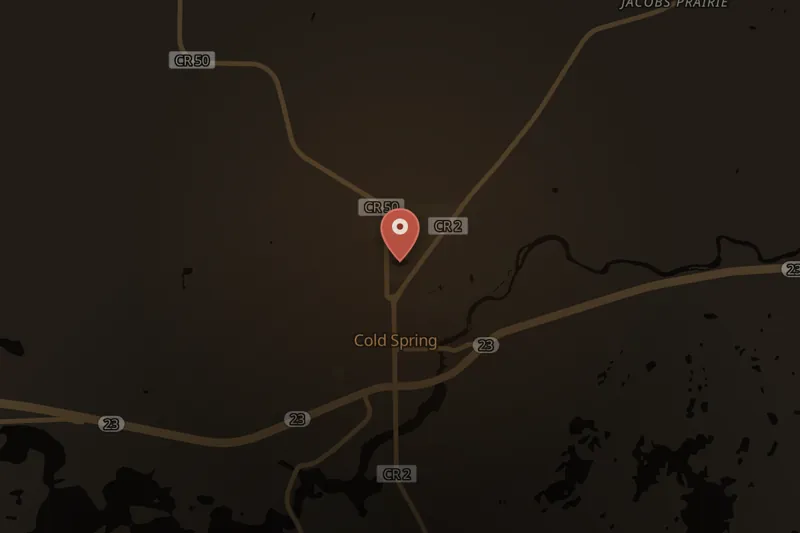
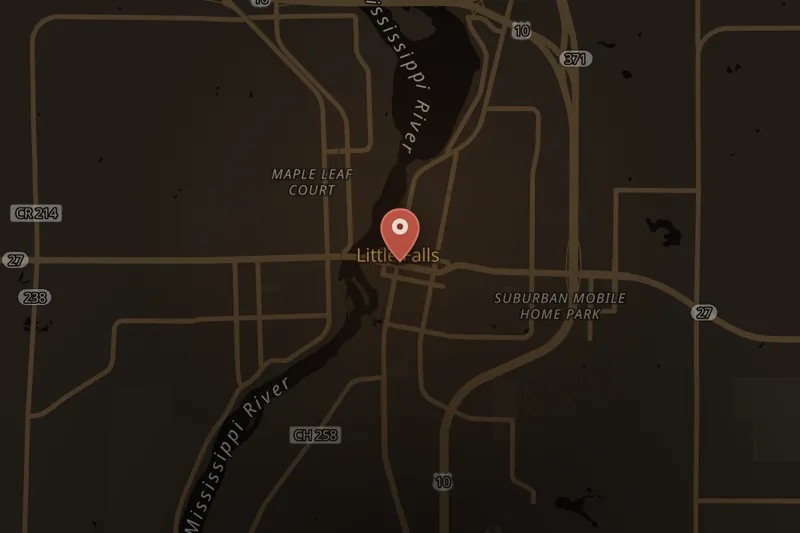
On November 22, 2012 (Thanksgiving Day), Haile Kifer, 18, and her cousin Nicholas Brady, 17, broke into the Little Falls, Minnesota home of 64-year-old Byron David Smith, a retired U.S. State Department security engineering officer. Smith had reported being burgled previously and had begun carrying a loaded handgun in a holster inside his home. Video surveillance captured the teens casing the property before the break-in, and Smith, having seen Kifer drive past his home earlier that day, prepared for the encounter by removing basement light bulbs, positioning himself in a concealed chair, and turning on an audio recording device.
When Brady climbed through a window and descended into the basement, Smith shot him twice on the stairs and once in the head after he fell. Smith wrapped Brady's body in a tarp and moved it aside. Roughly 10 to 15 minutes later, Kifer entered the home calling for her cousin. As she descended the stairs, Smith shot her, then made a sarcastic remark as she fell; he shot her again multiple times in the torso while she screamed, then shot her once more near her left eye. He reportedly called her derogatory names, dragged her body onto Brady's, and shot her a final time under the chin. An autopsy found Brady had been shot three times and Kifer six times. Smith did not report the shootings to police until the following day, leaving the bodies in his basement overnight.
Morrison County Sheriff Michael Wetzel acknowledged that Brady and Kifer had gone to the home to burglarize it, and evidence connected the pair to a burglary of a retired teacher's home the night before. Legal analysts, including Hamline University law professor Joseph Olson, said the initial shots may have been justified under Minnesota law but that continued shooting after the threat was neutralized was not. Smith was initially charged with two counts of second-degree murder, then indicted in April 2013 on two counts of first-degree murder.
At trial, which began April 21, 2014, in Morrison County, prosecutors relied heavily on Smith's own audio recordings, including statements made before the break-in ("In your left eye") and taunting remarks made during and after the shootings. On April 29, 2014, a jury convicted Smith on two counts of premeditated first-degree murder and two counts of second-degree murder after three hours of deliberation; he was sentenced immediately to life in prison without parole. Jurors identified the audio recordings as the most influential evidence in reaching their verdict.
Smith appealed his conviction. The Minnesota Supreme Court affirmed his conviction and sentence on March 9, 2016. A subsequent federal appeal citing a brief closure of the trial to the public was denied by the federal district court and the Eighth Circuit Court of Appeals. The U.S. Supreme Court denied a petition for writ of certiorari on March 22, 2021. Smith remains incarcerated at Oak Park Heights Prison in Minnesota.

 Credit: Canadaolympic989CC BY-SA 4.0SourceSOLVEDListen