

Start here
The Vending Machine Murders that Killed 12 People...

Coffeehouse Crime's 19-minute overview: the quickest complete way into the case.
Watch on YouTubeThe short answer
In 1985, an unidentified person or persons placed herbicide-laced energy drinks in and around vending machines across western and central Japan, killing at least ten to thirteen people and sickening 35 more. No suspect was ever identified, and the case remains unsolved.
The Vending Machine Murders that Killed 12 People...Coffeehouse Crime · 19 min1 piece from 1 creator: ranked, with duplicates removed and short clips set aside.
Start here
Coffeehouse Crime's 19-minute overview: the quickest complete way into the case.
Watch on YouTubeTitles and descriptions are the creators’ own and may not reflect current legal status. The sourced facts are in the file below. Players load only when you press play. Suggest coverage we’re missing.
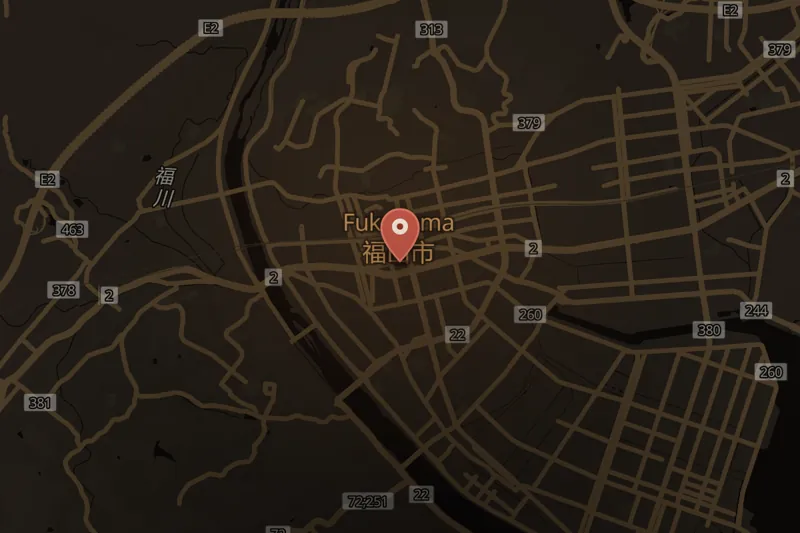
Between April and December 1985, a series of indiscriminate poisonings occurred in western and central Japan, including Tokyo, in which beverages were laced with the herbicide paraquat dichloride (and in one case diquat) and left in or around public vending machines. Victims who consumed the tainted drinks — most commonly the energy drinks Oronamin C and Real Gold, though some Coca-Cola bottles were also affected — became seriously ill or died. The first known victim drank a bottle of Oronamin C left atop a vending machine in Fukuyama, Hiroshima Prefecture, on April 30, 1985; he fell ill and died a month later.
At the time, paraquat was a widely available, unregulated chemical in Japan that could be purchased without a prescription, provided the buyer claimed an agricultural need. The perpetrator appears to have exploited a contemporaneous "buy one, get one free" promotion by Oronamin C's manufacturer, Otsuka Pharmaceutical, placing poisoned bottles near vending machines so that customers would mistake them for free promotional drinks. Additional poisonings followed in the ensuing months, including the deaths of a 44-year-old executive who drank tainted vitamin drinks on September 5 and a 52-year-old man who drank a bottle of Oronamin C in Tokyo on September 11.
By December 8, 1985, official reporting attributed at least ten deaths and 35 serious illnesses to the poisonings, though CBC News reported in 2012 that the death toll may have been as high as twelve, a figure that would make the case possibly the deadliest instance of product tampering on record. Some deaths were later theorized to be the result of copycat acts or imitation suicides rather than the original perpetrator.
Investigators concluded the poisonings were likely the work of a single person, but found no consistent victim profile, no security camera footage of a suspect, no physical evidence, and no discernible motive; the two manufacturers whose products were most affected, Otsuka Pharmaceutical and Coca-Cola Japan, reported receiving no threats or extortion demands. In response, Japanese authorities and industry groups launched a nationwide public-awareness campaign, distributing warning leaflets, posting stickers on many of Japan's roughly 5.2 million vending machines, and advising consumers to discard unclaimed free drinks and inspect bottle seals for tampering.
The case was never solved. Because Japan abolished the statute of limitations for murder in 2010, a perpetrator could still theoretically face prosecution if identified, but no arrest has been made. In the years following, regulatory changes reduced the toxicity of commercially available paraquat and diquat, though paraquat poisoning continued to account for a large share of pesticide-related deaths in Japan into the 2000s. A suspected copycat incident involving tainted school milk occurred in Mie Prefecture in December 1985, and further vending-machine and convenience-store poisoning incidents were reported in 1998 and 2019.
First known victim drinks a paraquat-laced bottle of Oronamin C left atop a vending machine in Fukuyama, Hiroshima Prefecture.
The first victim dies from paraquat poisoning.
A 44-year-old executive, Takashi Sakai, drinks two poisoned vitamin drinks; he dies roughly six weeks later.
52-year-old Haruo Otsu drinks a free bottle of Oronamin C in Tokyo and dies 52 hours later.
A man in Wakayama Prefecture is hospitalized after falling ill from a tainted drink.
A 40-year-old woman in Shizuoka Prefecture falls ill.
Japan's National Police Agency announces a nationwide campaign, including leaflet distribution in Tokyo, to warn the public about tampered vending machine drinks.
Death toll reported at at least ten, with 35 seriously ill, as of this date.
A suspected copycat incident involving tainted school milk occurs in Mie Prefecture.
Regulatory adjustments made to reduce the toxicity of commercially available paraquat and diquat.
Another wave of drink poisonings occurs in Japanese vending machines and convenience stores.
Japan abolishes the statute of limitations for murder, meaning a perpetrator could still be prosecuted if identified.
CBC News reports the death toll from the 1985 poisonings may have been as high as twelve.
A paraquat poisoning incident is reported in Akita Prefecture.
Victims first. Every legal label is set from public records and court outcomes, not from the prose.
Coverage is not a source: every fact in this file rests on the records below.
Are you family of someone named in this file? Corrections and removal requests from victims’ families are prioritized.
 SOLVEDListen
Mitake, Shūnan, Yamaguchi Prefecture, Japan · 2010s
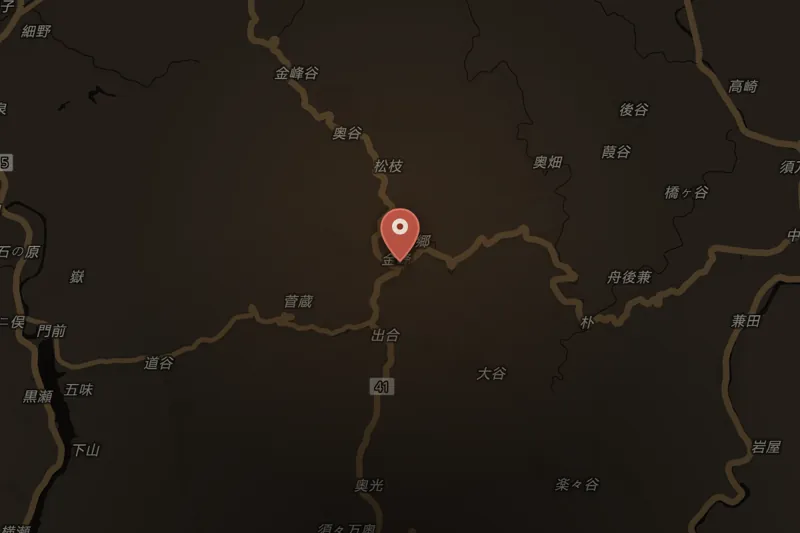
In July 2013, five elderly residents of the small hamlet of Mitake in Shūnan, Yamaguchi Prefecture, Japan, were killed and two houses were destroyed by arson; a neighbor was later convicted of all five murders and sentenced to death.
 Credit: Wikimedia Commons (investigation surveillance still)Editorial useSourceUNSOLVEDListen
Chicago metropolitan area, Illinois · 1980s
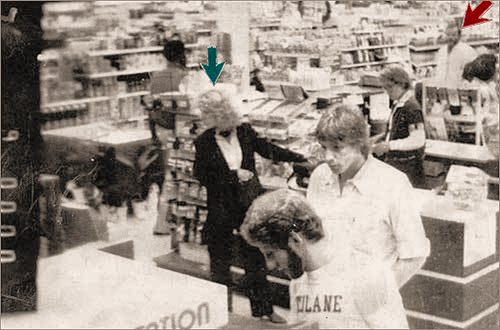
In September 1982, seven people in the Chicago area died after taking Extra-Strength Tylenol capsules that had been laced with potassium cyanide after leaving the factory. The case remains unsolved as of 2026, though it led to nationwide tamper-resistant packaging reforms and federal anti-tampering laws.
 UNSOLVEDListen
Hospital for Sick Children, Toronto, Ontario, Canada · 1980
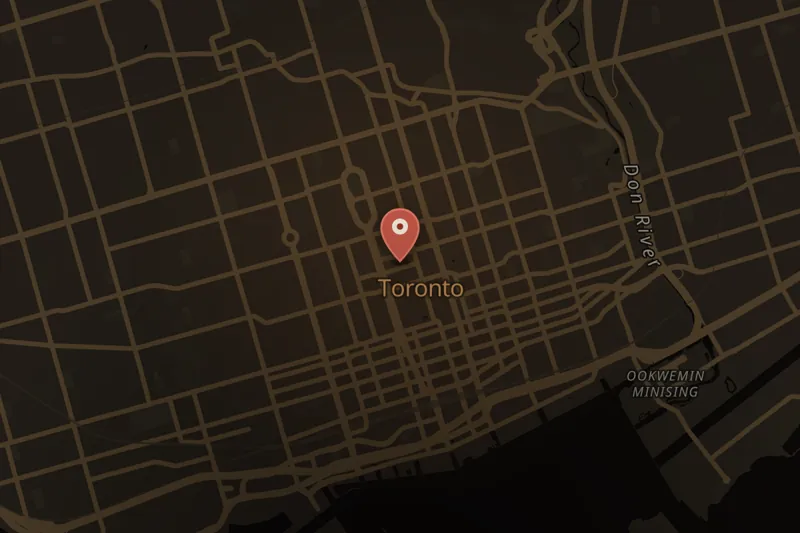
Between July 1980 and March 1981, a several-fold rise in infant deaths occurred in the Cardiac Ward of the Hospital for Sick Children in Toronto, several linked to digoxin poisoning; nurse Susan Nelles was charged with four murders but the case was dismissed before trial, and a later inquiry named eight deaths as murder without securing any conviction.
 Credit: Sacramento Police DepartmentPublic domainSourceSOLVEDListen
1426 F Street, Sacramento, California · 1988
Dorothea Puente ran a Sacramento boarding house where, between 1982 and 1988, she killed several elderly and vulnerable tenants, largely by drugging and overdose, buried their remains on the property, and continued cashing their Social Security checks. She was convicted in 1993 of three of nine charged murders.
 Credit: L26CC BY-SA 4.0SourceSOLVEDListen
Kyoto Animation Studio 1, Fushimi Ward, Kyoto, Japan · 2019
On 18 July 2019, an arsonist set fire to Kyoto Animation's Studio 1 building in Kyoto, Japan, killing 36 people and injuring 34 others in one of the deadliest attacks in Japan since World War II. Shinji Aoba was convicted of murder and sentenced to death in January 2024.
 SOLVEDListen
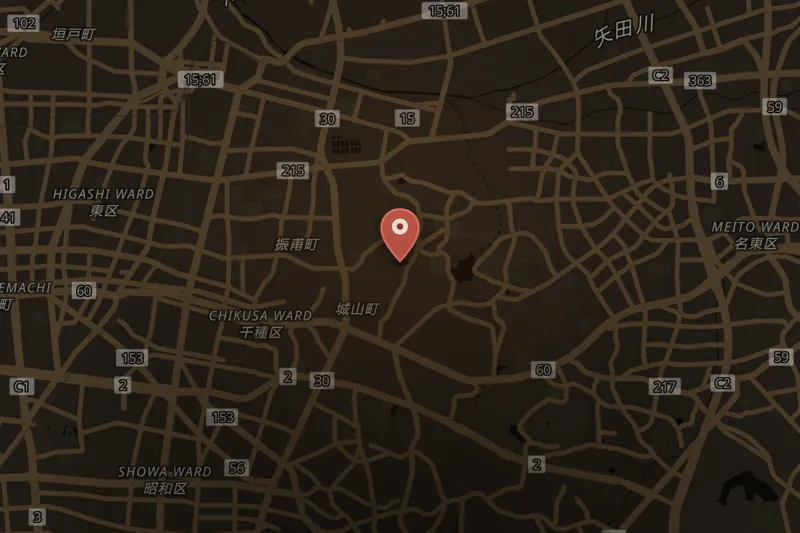
Chikusa-ku, Nagoya, Aichi Prefecture, Japan · 2007
Rie Isogai, a 31-year-old office clerk, was abducted, robbed, and killed near Nagoya, Japan, in 2007 by three men who had met through an underground website, and all three were convicted.
 Credit: CBS News / Travis Alexander (personal photo)Editorial useSourceSOLVEDListen
Mesa, Arizona, United States · 2000s
Travis Alexander, 30, was stabbed, slashed, and shot to death in his Mesa, Arizona home on June 4, 2008. His ex-girlfriend, Jodi Arias, was convicted of first-degree murder in 2013 and sentenced to life without parole in 2015 after two juries deadlocked on the death penalty.
 Credit: Family/Instagram photograph, widely distributed in press coverageEditorial useSourceSOLVEDListen
Moscow, Idaho · 2022
Four University of Idaho students—Madison Mogen, Kaylee Goncalves, Ethan Chapin, and Xana Kernodle—were fatally stabbed inside an off-campus house in Moscow, Idaho, in the early morning hours of November 13, 2022. Bryan Kohberger, a criminology PhD student at nearby Washington State University, was arrested that December and pleaded guilty in 2025, receiving four consecutive life sentences.
 Image recordEditorial useSourceSOLVEDListen
Austin, Texas · 2022
Moriah Wilson, a 25-year-old professional cyclist, was shot and killed at a friend's residence in Austin, Texas, on May 11, 2022, and Kaitlin Armstrong was later convicted and sentenced to 90 years in prison for the killing.
 Credit: Wikimedia Commons, photo by Glenn Francis (PacificProDigital.com)Editorial useSourceSOLVEDListen
Hollywood Hills, Los Angeles, California · 2014
Amie Harwick, a Los Angeles marriage and family therapist and author, was strangled and thrown from her third-floor Hollywood Hills balcony on February 15, 2020, by an ex-boyfriend who had a history of stalking her. He was convicted of first-degree murder in 2023 and sentenced to life without parole.
 Credit: BKA Germany/ Federal Criminal Police Office (Germany)Public domainSourceUNSOLVEDListen
Varna Airport, Varna, Bulgaria · 2014
German tourist Lars Mittank vanished after fleeing Varna Airport in Bulgaria on 8 July 2014 and has not been seen since.
 Credit: Haley AndersonEditorial useSourceSOLVEDListen
Oak Street, West Side, Binghamton, New York · 2018
Haley Anderson, a 22-year-old nursing student at Binghamton University, was strangled to death on March 8, 2018, by fellow student Orlando Tercero at his off-campus apartment. Tercero fled to Nicaragua, was captured days later, and was convicted of femicide there, receiving a 30-year sentence.