Start here
The Shocking 1982 Chicago Tylenol Murders: Is The Killer Still Out There After All These Years?
Kendall Rae's 34-minute breakdown, the fullest single telling on file.
Watch on YouTubeUnsolved case · 1980s
Also known as Chicago Tylenol murders
Docuseries: Cold Case: The Tylenol Murders (opens the Netflix page in a new tab) (Netflix, May 2025)More new releases
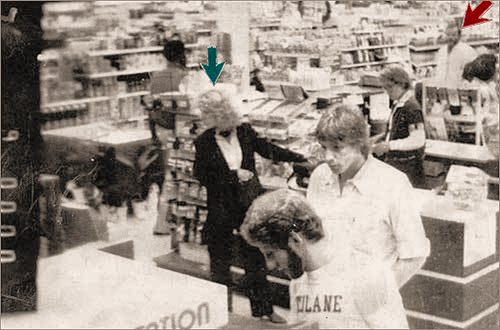 Mary Kellerman, Adam Janus, Stanley Janus, Theresa Janus, Mary McFarland, Paula Prince, Mary ReinerCredit: Wikimedia Commons (investigation surveillance still)Editorial useSource
The short answer
In September 1982, seven people in the Chicago area died after taking Extra-Strength Tylenol capsules that had been laced with potassium cyanide after leaving the factory. The case remains unsolved as of 2026, though it led to nationwide tamper-resistant packaging reforms and federal anti-tampering laws.
The Shocking 1982 Chicago Tylenol Murders: Is The Killer Still Out There After All These Years?Kendall Rae · 34 min3 pieces from 1 creator: ranked, with duplicates removed and short clips set aside.
Start here
Kendall Rae's 34-minute breakdown, the fullest single telling on file.
Watch on YouTubeChild Mysteriously Passes Away After Taking Tylenol
 Kendall RaeVideo · YouTube · 1 min · 2023
Woman Passes Away After Taking Tylenol?
Kendall RaeVideo · YouTube · 1 min · 2023Titles and descriptions are the creators’ own and may not reflect current legal status. The sourced facts are in the file below. Players load only when you press play. Suggest coverage we’re missing.
The Chicago Tylenol murders refer to a series of poisoning deaths in the Chicago metropolitan area in September 1982, caused by drug tampering. Victims consumed Extra-Strength Tylenol acetaminophen capsules that had been adulterated with potassium cyanide after the product reached store shelves. At least seven people died in the original poisonings. No suspect has ever been charged or convicted of the killings themselves.
On September 28, 1982, 12-year-old Mary Kellerman died after consuming a contaminated Tylenol capsule. The following day, six more people died after taking capsules from tainted bottles: Adam Janus, Stanley Janus, and Theresa Janus (members of one family who shared a single bottle), along with Mary McFarland, Paula Prince, and Mary Reiner. Arlington Heights public health nurse Helen Jensen recovered a Tylenol bottle from the Janus household, and Cook County deputy chief medical examiner Edmund R. Donoghue and chief toxicologist Michael Schaffer determined that capsules from the bottle contained cyanide at levels far exceeding a fatal dose.
Investigators traced the tainted capsules to multiple lots and multiple manufacturing locations (Pennsylvania and Texas), and tampered bottles were found on shelves at several Chicago-area retailers, including Jewel Foods, Osco Drug, Walgreens, Dominick's, and Frank's Finer Foods locations. This indicated the poisoning occurred after the product was already on store shelves rather than during manufacturing. Johnson & Johnson, the maker of Tylenol, issued a nationwide recall on October 5, 1982, covering an estimated 31 million bottles.
Police surveilled Mary Kellerman's home and gravesite for months at the suggestion of FBI analyst John Douglas, without result. A surveillance photograph showed victim Paula Prince purchasing tainted Tylenol, with an unidentified man visible nearby.
James William Lewis was convicted of extortion for sending Johnson & Johnson a letter demanding $1 million to stop the poisonings; he denied responsibility for the deaths and was never charged in connection with them. Investigators separately looked into Roger Arnold, who was never charged over the poisonings but was later convicted in 1984 of an unrelated killing. Both Lewis and Arnold submitted or had DNA tested against evidence from the tainted bottles in 2010, with no match found in either case. In 2011, the FBI also requested a DNA sample from Ted Kaczynski in connection with the case; he denied ever possessing potassium cyanide.
The poisonings prompted a wave of copycat tampering incidents nationally, some of which resulted in additional deaths and separate prosecutions unrelated to the original Chicago case. The incident led the pharmaceutical industry to abandon powder-filled capsules in favor of tamper-evident "caplets" and induction-sealed packaging, and prompted new federal anti-tampering laws. Johnson & Johnson's handling of the crisis is widely cited as a model of corporate crisis management, and the company settled lawsuits from the victims' families in 1991.
In late September 1982, seven people in the Chicago area died after taking Extra-Strength Tylenol capsules that had been laced with potassium cyanide. The youngest was 12-year-old Mary Kellerman; three members of the Janus family died after taking capsules from a single bottle. Investigators found tampered bottles traced to different manufacturing lots and sold across several separate stores, indicating the capsules had been contaminated after they reached retail shelves rather than during production. Johnson & Johnson recalled an estimated 31 million bottles, and the case led to tamper-evident packaging and new federal anti-tampering law. No one has ever been charged with the deaths, and the case remains unsolved as of 2026.
The connection was made quickly on the ground: an Arlington Heights public health nurse recovered a Tylenol bottle from the Janus household, and Cook County medical examiners established that its capsules held cyanide far above a fatal dose. The distribution of the tampered bottles across multiple lots, multiple plants, and multiple retailers was the decisive finding, because it ruled out contamination at a single point in manufacturing and pointed to deliberate tampering after the product reached stores.
The identity of the person who poisoned the capsules has never been established. James W. Lewis was convicted of extortion for demanding money from Johnson & Johnson to stop the poisonings, but he was never charged in connection with the deaths and denied responsibility. DNA samples from Lewis and from another man investigated, Roger Arnold, did not match evidence on the tainted bottles, and a 2011 request for a sample from Ted Kaczynski produced no charge. Court documents released in 2009 show federal investigators had concluded Lewis was responsible but lacked evidence sufficient to charge him, a conclusion never tested at trial.
The poisonings changed how everyday consumer products are sold: within months the industry moved to tamper-evident seals and away from easily opened capsules, and Congress passed anti-tampering legislation. The manufacturer's rapid nationwide recall is still taught as a model of crisis response. Those changes followed the deaths of seven people in a case that, more than four decades later, has never been solved.
Mary Kellerman, 12, is hospitalized after taking a contaminated Extra-Strength Tylenol capsule; she dies the next day.
Six more people—Adam, Stanley, and Theresa Janus, Mary McFarland, Paula Prince, and Mary Reiner—die after consuming cyanide-laced Tylenol capsules.
Johnson & Johnson issues a nationwide recall of Tylenol capsules, covering an estimated 31 million bottles.
Chicago Tribune, at the FBI's request, publishes the address and grave location of Mary Kellerman as part of a surveillance effort targeting the perpetrator.
Roger Arnold, previously investigated in the Tylenol case, is convicted of an unrelated murder.
Three more deaths occur in separate cyanide-tampering incidents involving gelatin capsules, including Diane Elsroth in Yonkers, New York, and Susan Snow and Bruce Nickell in Washington state (Excedrin tampering).
Illinois authorities and federal agents renew the investigation; Lewis's Massachusetts home is searched. Court documents released this year show DOJ investigators concluded Lewis was responsible but lacked sufficient evidence to charge him.
James W. Lewis and his wife submit DNA samples and fingerprints; Roger Arnold's body is exhumed for DNA testing. Neither DNA sample matches evidence on the tainted bottles.
FBI requests a DNA sample from Ted Kaczynski in connection with the case; he denies ever possessing potassium cyanide.
James W. Lewis dies at age 76.
Victims first. Every legal label is set from public records and court outcomes, not from the prose.
Died after consuming cyanide-laced Tylenol from a shared bottle.[3]
12-year-old victim; died September 29, 1982, after consuming a contaminated Tylenol capsule.[3]
Died after consuming cyanide-laced Tylenol capsules.[3]
Died after consuming cyanide-laced Tylenol capsules.[3]
Died after consuming cyanide-laced Tylenol capsules; captured on surveillance camera purchasing the product.[3]
Died after consuming cyanide-laced Tylenol from a shared bottle.[3]
Died after consuming cyanide-laced Tylenol from a shared bottle.[3]
Convicted of extortion for sending a letter to Johnson & Johnson claiming responsibility and demanding $1 million; never charged or convicted in connection with the poisoning deaths, and denied responsibility.[3]
From the record
Coverage is not a source: every fact in this file rests on the records below.
Jul 11, 2026Source review
Editorial-depth addendum added (the record in sixty seconds; what the investigation turned on; what remains disputed; why this file matters) — a synthesis of the dossier's existing cited record, no new factual claims.
Are you family of someone named in this file? Corrections and removal requests from victims’ families are prioritized.
Former site of Brown's Chicken & Pasta, 168 West Northwest Highway, Palatine, Illinois · 1990s
On January 8, 1993, seven people were shot and killed at a Brown's Chicken & Pasta restaurant in Palatine, Illinois. The case went unsolved for over nine years until DNA evidence and a witness account led to the arrests of Juan Luna and James Degorski, both later convicted of all seven murders and sentenced to life in prison.
 SOLVEDListen
Crowne Plaza Chicago O'Hare hotel, Rosemont, Illinois · 2010s
Kenneka Jenkins, 19, was found dead inside a latched hotel freezer at the Crowne Plaza Chicago O'Hare in Rosemont, Illinois, in September 2017 after attending a party there. Her death was ruled accidental, but her family's lawsuit against the hotel was settled in 2023.
 Credit: Unknown authorPublic domainSourceSOLVEDListen
8213 West Summerdale Avenue, Norwood Park Township, Illinois · 1970s
John Wayne Gacy, a Chicago-area contractor known for performing as a clown at community events, was convicted of raping, torturing, and murdering at least 33 young men and boys between 1972 and 1978, most of whom he buried beneath his house.
Fukuyama, Hiroshima Prefecture, Japan (site of first known poisoning; incidents occurred across western and central Japan, including Tokyo) · 1985
In 1985, an unidentified person or persons placed herbicide-laced energy drinks in and around vending machines across western and central Japan, killing at least ten to thirteen people and sickening 35 more. No suspect was ever identified, and the case remains unsolved.
 UNSOLVEDListen
Hospital for Sick Children, Toronto, Ontario, Canada · 1980
Between July 1980 and March 1981, a several-fold rise in infant deaths occurred in the Cardiac Ward of the Hospital for Sick Children in Toronto, several linked to digoxin poisoning; nurse Susan Nelles was charged with four murders but the case was dismissed before trial, and a later inquiry named eight deaths as murder without securing any conviction.
 Credit: Sacramento Police DepartmentPublic domainSourceSOLVEDListen
1426 F Street, Sacramento, California · 1988
Dorothea Puente ran a Sacramento boarding house where, between 1982 and 1988, she killed several elderly and vulnerable tenants, largely by drugging and overdose, buried their remains on the property, and continued cashing their Social Security checks. She was convicted in 1993 of three of nine charged murders.
 Credit: English WikipediaEditorial useSourceSOLVEDListen
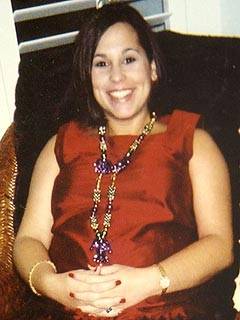
Modesto, California · 2002
Laci Peterson, 27 and eight months pregnant, disappeared from her Modesto, California home on December 24, 2002; her body and that of her unborn son Conner were found in San Francisco Bay in April 2003, and her husband Scott Peterson was convicted in 2004 of murdering both.
 Credit: Family/Instagram photograph, widely distributed in press coverageEditorial useSourceSOLVEDListen
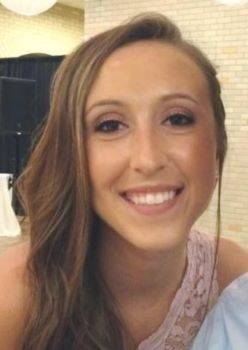
Moscow, Idaho · 2022
Four University of Idaho students—Madison Mogen, Kaylee Goncalves, Ethan Chapin, and Xana Kernodle—were fatally stabbed inside an off-campus house in Moscow, Idaho, in the early morning hours of November 13, 2022. Bryan Kohberger, a criminology PhD student at nearby Washington State University, was arrested that December and pleaded guilty in 2025, receiving four consecutive life sentences.
 Credit: English WikipediaEditorial useSourceSOLVEDListen
Delta, Fulton County, Ohio · 2016
Sierah Joughin, a 20-year-old Ohio college student, was abducted while bicycling home in Fulton County on July 19, 2016, and found dead three days later. James Dean Worley, a neighbor with a 1990 abduction conviction who was not listed in any offender database, was convicted of her murder in 2018 and sentenced to death, prompting Ohio's Sierah's Law, which created a searchable violent-offender registry.
 Credit: CBS News / Travis Alexander (personal photo)Editorial useSourceSOLVEDListen
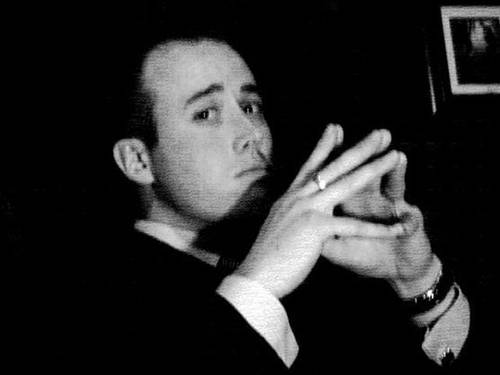
Mesa, Arizona, United States · 2000s
Travis Alexander, 30, was stabbed, slashed, and shot to death in his Mesa, Arizona home on June 4, 2008. His ex-girlfriend, Jodi Arias, was convicted of first-degree murder in 2013 and sentenced to life without parole in 2015 after two juries deadlocked on the death penalty.
 Image recordEditorial useSourceSOLVEDListen
Austin, Texas · 2022
Moriah Wilson, a 25-year-old professional cyclist, was shot and killed at a friend's residence in Austin, Texas, on May 11, 2022, and Kaitlin Armstrong was later convicted and sentenced to 90 years in prison for the killing.
 Credit: Instagram/@gabspetito, widely distributed in press coverageEditorial useSourceSOLVEDListen
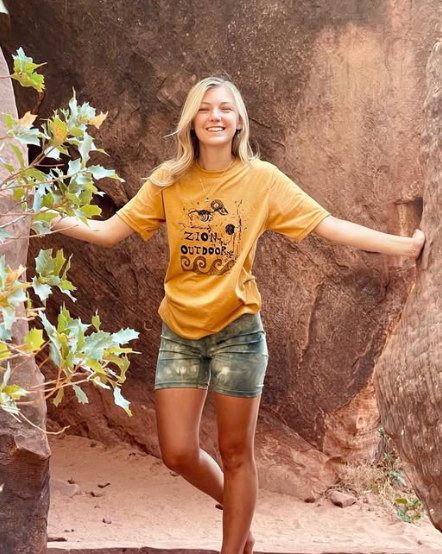
Bridger–Teton National Forest, Wyoming · 2021
Gabby Petito, a 22-year-old travel vlogger, was killed by strangulation and blunt-force trauma in August 2021 while on a cross-country van trip with her fiancé, Brian Laundrie. Laundrie returned to Florida alone, was named a person of interest, and later died by suicide, leaving a note admitting he had killed her.