
19
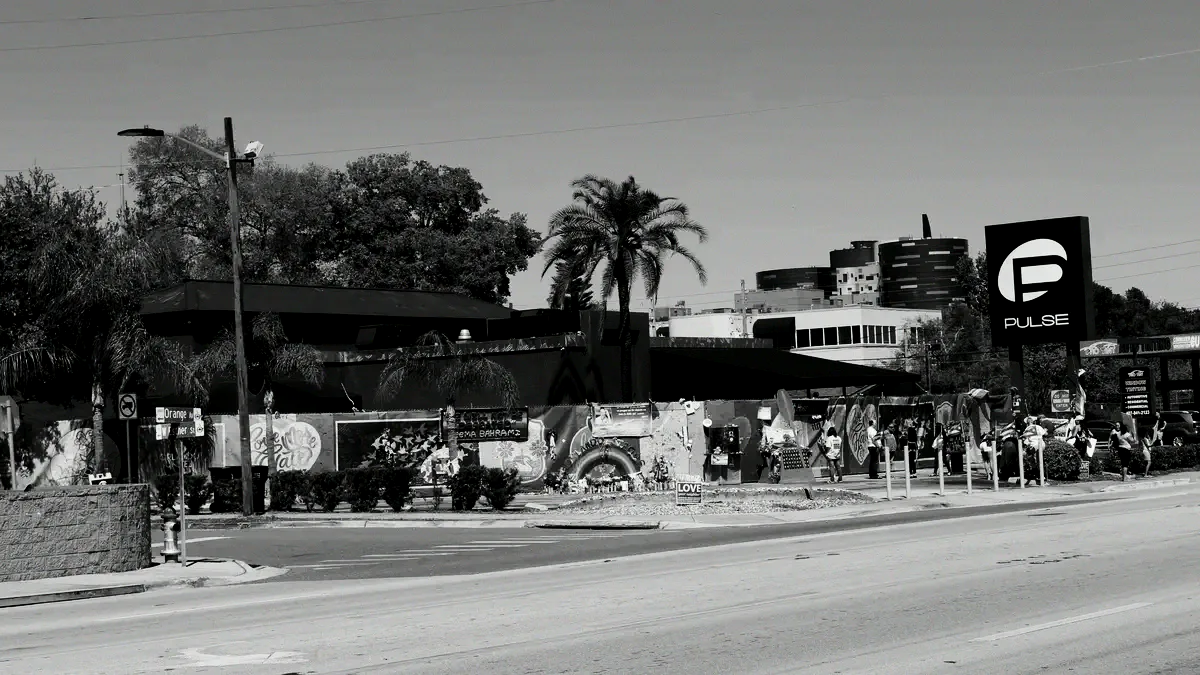
Mass shootings: the places we remember
Public attacks remembered by place — and the lives, movements, safety changes, and public arguments that followed.
Take the tour
Cases whose aftermath rewrote a statute, a police procedure, or a citizen's rights.
A single case rarely changes a law on its own. But some become the name attached to a change already building — a story specific enough, and public enough, to move a legislature that had been hesitating.
The files here each left a mark on the statute book. Megan Kanka's murder produced the community-notification laws now known everywhere as "Megan's Law"; Polly Klaas's was cited in California's 1994 "three strikes" law; Sarah Payne's led to the UK disclosure scheme called "Sarah's Law". Others reached further afield: a stalker-regulation law in Japan after Shiori Ino, an anti-discrimination law in Chile after Daniel Zamudio, the closing of a family-pardon loophole for "honour" killings in Pakistan after Qandeel Baloch.
The reforms here reach from a Depression-era kidnapping statute to modern sex-offender registries, hate-crime acts, and product-safety rules — but the pattern is constant: a specific loss, and a change that carries the person's name. The reforms are recorded here as each dossier records them. The collection is not a monument to the legislation, but to the people whose names it carries.
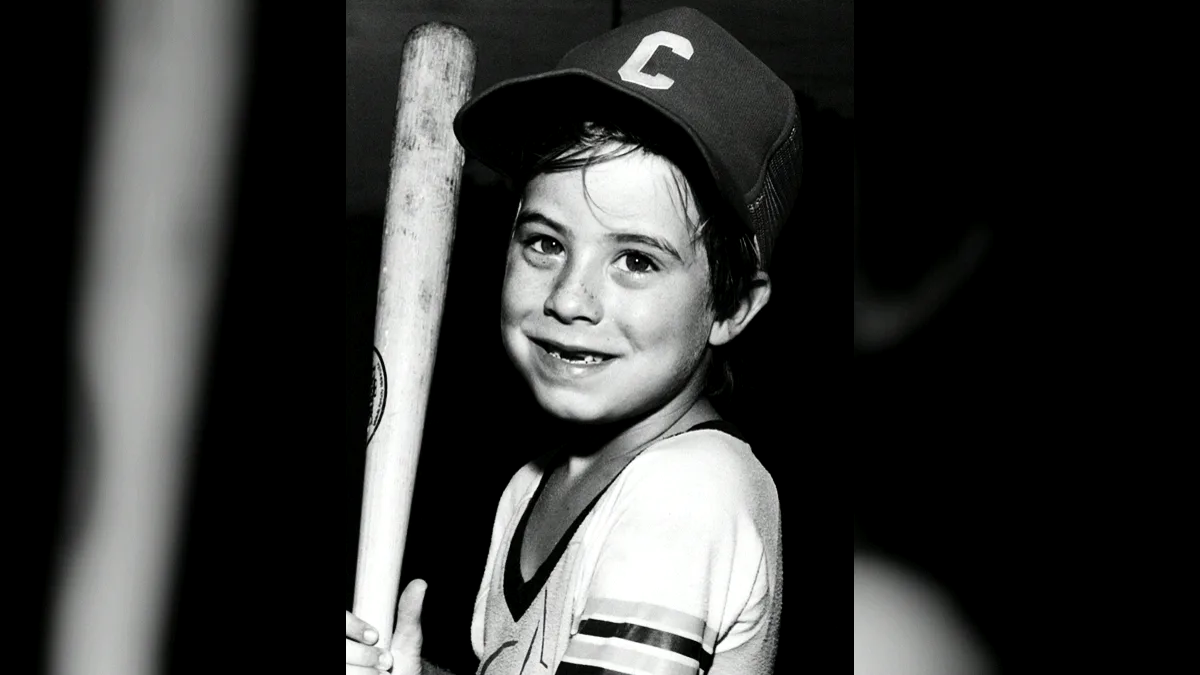
 Megan Kanka, the 7-year-old victim (Megan's Law)Editorial useSource
Her 1994 murder produced New Jersey's and then federal 'Megan's Law' sex-offender notification.
 Charles Lindbergh testifying — Credit: World Telegram staff photographerPublic domainSource
The 1932 case 'prompted passage of the U.S. Federal Kidnapping Act.'
 Adam Walsh — Credit: Unknown authorPublic domainSource
The dossier records broad changes to how the US responds to missing children; later the Adam Walsh Act.
 SF From Marin Highlands3 — Credit: en:User:Paul.hPublic domainSource
Cited in California's 1994 'three strikes' law and early abduction-alert upgrades.
 Jacob Wetterling map — Credit: Canadaolympic989CC BY-SA 4.0Source
Led to the 1994 Jacob Wetterling Act, an early federal sex-offender registry requirement.
 John Couey — Credit: Citrus County Sheriff's DepartmentPublic domainSource
Led to the Jessica Lunsford Act in Florida, which influenced 'Jessica's Law' legislation in other states.
 Alfonso Rodriguez Jr — Credit: Broward CountyPublic domainSource
Led to federal legislation creating the Dru Sjodin National Sex Offender Public Registry.
 Sierah Joughin — Credit: English WikipediaEditorial useSource
Prompted Ohio's 'Sierah's Law' (2018), creating a searchable violent-offender registry.
 Aniah Blanchard Event Infobox — Credit: Wfsa 12 NewsEditorial useSource
Her family backed 'Aniah's Law,' passed by the Alabama legislature, expanding the charges for which a judge may deny bail.
 Skylar Neese — Credit: English WikipediaEditorial useSource
Prompted West Virginia's 'Skylar's Law' (2013), amending the state's Amber Alert criteria.
 Elisa Izquierdo, the 6-year-old victimEditorial useSource
Led to New York's 'Elisa's Law' (signed 1996) and the creation of the Administration for Children's Services.
 Sarah Payne — Credit: English WikipediaEditorial useSource
Led to the UK Child Sex Offender Disclosure Scheme, known as 'Sarah's Law'.
 Shiori Ino — Credit: UnknownEditorial useSource
A stalker-regulation law took effect in Japan in November 2000 in response to the case.
 Daniel Zamudio — Credit: Self-made by subject, or taken by family or friendEditorial useSource
Chile passed a long-stalled anti-discrimination law weeks after his death.
 Qandeel Baloch (3x4 cropped) — Credit: Kamran HayatPublic domainSource
Pakistan's parliament legislated against 'honour' killings after her murder.
 Matthew Shepard — Credit: English WikipediaEditorial useSource
In 2009 Congress passed the Matthew Shepard and James Byrd Jr. Hate Crimes Prevention Act, extending federal hate-crime protection to sexual orientation and gender identity.
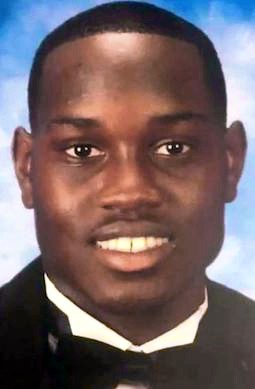 Portrait of Ahmaud Arbery — Credit: Arbery family portrait via The New York Times and WikipediaFair useSource
Led Georgia to enact hate-crimes legislation in 2020 and to repeal and replace its citizen's-arrest law in 2021.
 Daniel morcombe — Credit: www.derwan.com/images/view/Daniel_Morcombe.jpgEditorial useSource
Informed the naming of 'Daniel's Law,' Queensland's public child sex offender register established in 2025.
 CarlyRyanPortrait — Credit: UnknownEditorial useSource
Led to 'Carly's Law' — the federal Criminal Code Amendment (Protecting Minors Online) Act 2017 and a 2018 South Australian law.
 Claudia Lawrence — Credit: unknownEditorial useSource
Her father's campaign led to the Guardianship (Missing Persons) Act 2017, known as 'Claudia's Law.'
 BRANDON VICTOR SWANSON - MARSHALL, MINNESOTA — Credit: FBIPublic domainSource
His parents' campaign produced 'Brandon's Law' (2009), requiring prompt police investigation of missing-adult reports.
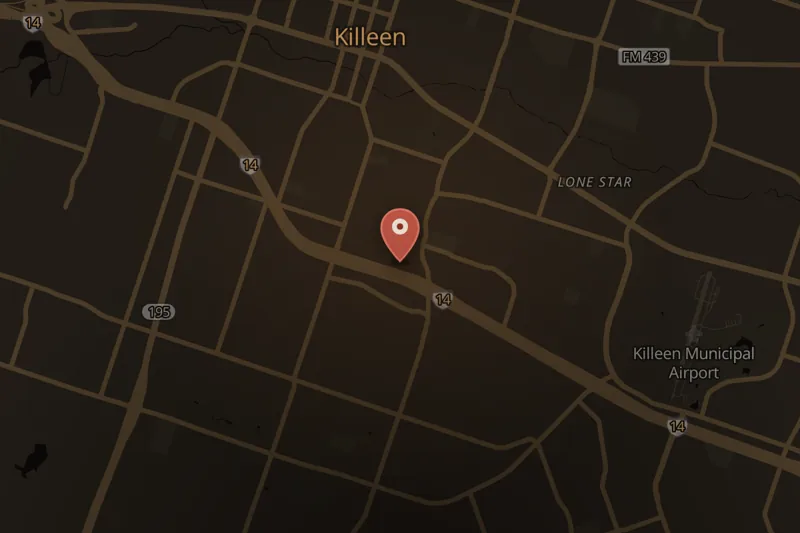
Survivor Suzanna Hupp became a prominent advocate for Texas concealed-carry legislation.
 Benkinsella — Credit: http://img.thesun.co.uk/multimedia/archive/00520/ben_280_520944a.jpgEditorial useSource
Fed UK anti-knife-crime measures, including a reform referred to as 'Ben's Law'.
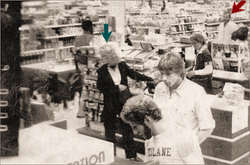 Mary Kellerman, Adam Janus, Stanley Janus, Theresa Janus, Mary McFarland, Paula Prince, Mary Reiner — Credit: Wikimedia Commons (investigation surveillance still)Editorial useSource
Led to nationwide tamper-evident packaging and federal anti-tampering legislation.
Public attacks remembered by place — and the lives, movements, safety changes, and public arguments that followed.