On July 22, 1916, a bomb detonated during San Francisco's Preparedness Day Parade, a large procession organized by the city's Chamber of Commerce and business establishment to promote U.S. entry into World War I amid rising isolationist and labor sentiment. At 2:06 p.m., about half an hour into the 3.5-hour parade of more than 51,000 marchers, a cast steel pipe bomb filled with explosives and metal slugs designed to act as shrapnel detonated on Steuart Street near Market Street, close to the Ferry Building. Ten bystanders were killed and forty were wounded, including a young girl who lost both legs. It is described as the worst terrorist attack in San Francisco's history. Witnesses disagreed on the bomb's placement, with some describing a suitcase left at a street corner and others, including Dr. Mora Moss, testifying the bomb was thrown or dropped from a rooftop.
San Francisco District Attorney Charles Fickert initially focused on local radicals and anarchists, including Alexander Berkman, who had recently relocated to San Francisco after being implicated in the earlier Lexington Avenue bombing in New York. Fickert sought Berkman's extradition on conspiracy charges but was unsuccessful. Authorities ultimately arrested labor leaders Thomas Mooney and Warren Billings, along with Rena Mooney, Israel Weinberg, and Ed Nolan, who were indicted for murder. Mooney was held without counsel for six days and invoked his right to an attorney numerous times during interrogation. Billings was tried first, in September 1916, and Mooney in January 1917; both were convicted and sentenced to death. Rena Mooney and Israel Weinberg were acquitted, and Ed Nolan was released without trial.
A Mediation Commission established by President Woodrow Wilson found no clear evidence of Mooney's guilt two years later, leading to commutation of his death sentence; Billings' sentence was also commuted to life imprisonment. The case became an international cause over the following two decades as evidence of perjury and false testimony at trial mounted. Repeated efforts to reverse the convictions were blocked for twenty years until California Governor Culbert Olson pardoned both Mooney and Billings, who were released in 1939.
The identity of the actual bomber or bombers has never been determined. Historians have since suggested possible involvement by anarchists advocating "propaganda of the deed," including renewed scrutiny of Alexander Berkman and the Galleanist anarchist network associated with Mario Buda, whose bomb-making methods resembled the Preparedness Day device. Another figure sometimes named in connection with the case, Celsten Eklund, was later killed in a separate 1927 bombing incident at a San Francisco church without providing information to police about the 1916 attack. No one has ever been definitively identified as responsible for constructing or planting the bomb.


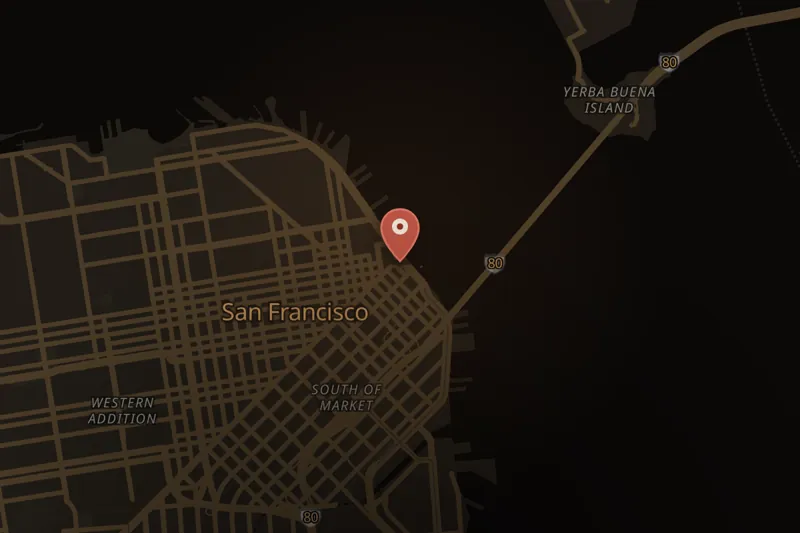
 Image recordCC BY-SA 4.0SourceSOLVEDListen


